

WAPP Chairman: West Africa set for competitive regional electricity market in 2027

By Onu Okorie
West Africa is set to enter a new phase of electricity trading in early 2027, with the launch of a competitive day-ahead regional electricity market expected to transform power exchange among countries in the sub-region.
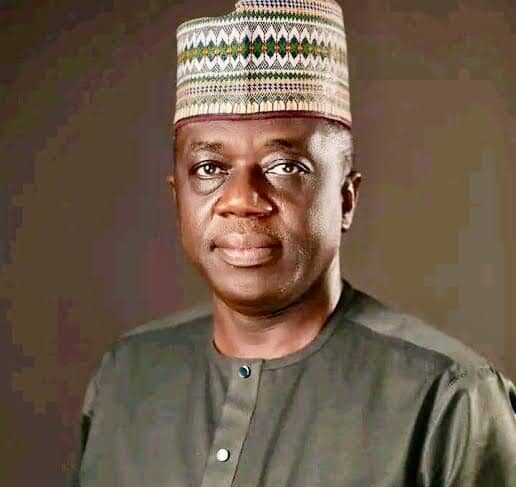
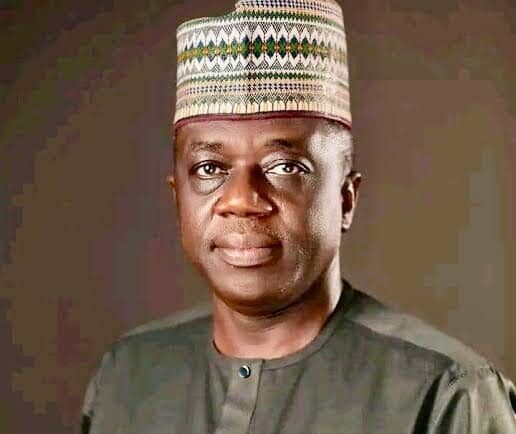
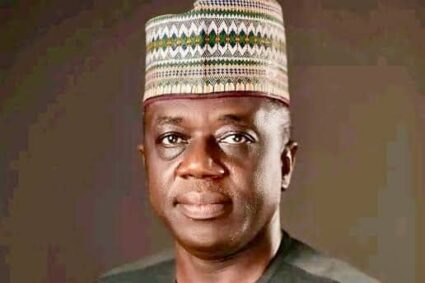
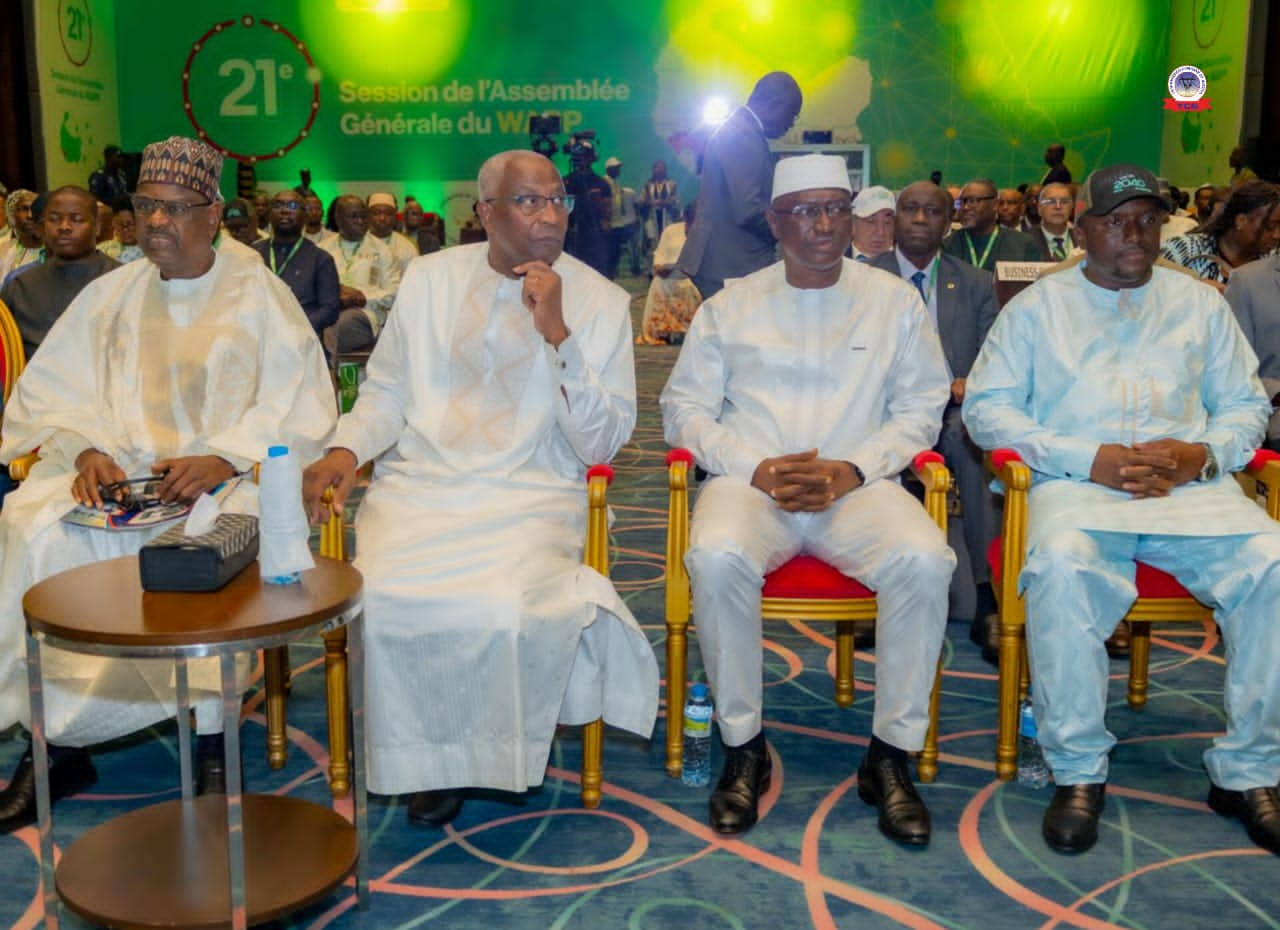
The Chairman of the Executive Board of the West African Power Pool (WAPP), Engr. Sule Ahmed Abdulaziz, disclosed this at the 21st General Assembly of WAPP held in Conakry, Guinea, where he described the planned market as a major milestone in the region’s long journey towards an integrated electricity system.
Under the proposed arrangement, electricity prices traded across national borders will be determined by demand and supply through an organised, transparent and non-discriminatory market framework.
Abdulaziz said the development would mark a significant departure from the region’s traditional electricity trading arrangements, stressing that investments made over the past two decades in transmission infrastructure, common operating rules and regional institutions must now deliver measurable economic benefits.
“This is not merely a technical development; it represents a fundamental step forward,” he said.
However, the WAPP Chairman cautioned that the success of the emerging market would depend on the ability of member countries to embrace discipline, transparency and financial accountability.
He identified reliable real-time data exchange, accurate metering, credible settlement arrangements and effective congestion and risk management as essential requirements for the smooth operation of the regional electricity market.
Abdulaziz also highlighted ongoing institutional reforms aimed at establishing an independent system and market operator, explaining that separating system operations from market operations would strengthen fairness, transparency and confidence in regional electricity transactions.
He emphasised that the reform must be implemented carefully to avoid disrupting the operational continuity currently provided by WAPP’s Information and Coordination Centre.
On the financial sustainability of the proposed market, the Chairman stressed that confidence among participating countries and electricity operators would depend largely on the security of transactions.
He disclosed that the Liquidity Enhancement Revolving Fund was being studied and structured to address financial challenges that could undermine electricity trading across the region.
Abdulaziz further reminded member countries that their statutory contributions were fundamental to the organisation’s institutional independence and operational effectiveness, urging chief executives to make timely payment of their obligations a priority.
The Conakry assembly also provided an opportunity for regional leaders to assess progress towards the physical and operational integration of electricity networks across the 15 West African countries.
Earlier, the Prime Minister of Guinea, Amadou Oury Bah, representing President Mamadi Doumbouya, called on member states to prioritise regional electricity complementarity rather than pursue isolated national energy policies.
He described electricity as a critical instrument of national sovereignty, economic competitiveness, social development and regional stability.
The Prime Minister reaffirmed Guinea’s commitment to regional energy integration, highlighting the strategic importance of its Kaleta and Souapiti hydropower projects, alongside planned developments including Koukoutamba, Sambangou and Amaria.
He said these projects could position Guinea as a major electricity supplier and an important anchor of West Africa’s energy cooperation.
Guinea’s Minister of Energy, Laye Sékou Camara, also called for stronger institutional governance, financial discipline and the conversion of regional commitments into tangible results.
He maintained that expanding electricity access nationally and strengthening regional power exchanges were complementary objectives, noting that installed generation capacity alone was insufficient without the transmission infrastructure and operational capacity required to deliver electricity to consumers.
Meanwhile, WAPP Secretary General, Abdoulaye Dia, highlighted the successful synchronisation of the electricity networks of the 15 West African countries for four hours and five minutes on November 8, 2025.
He said a further synchronisation test scheduled for November 2026, targeting 48 hours of continuous operation, would consolidate the achievement and prepare the region for permanent synchronisation.
Dia also highlighted progress in establishing a regional electricity tariff framework, following decisions adopted in 2026 by the ECOWAS Regional Electricity Regulatory Authority on transmission tariff methodology, tariff calculation procedures and market fees.
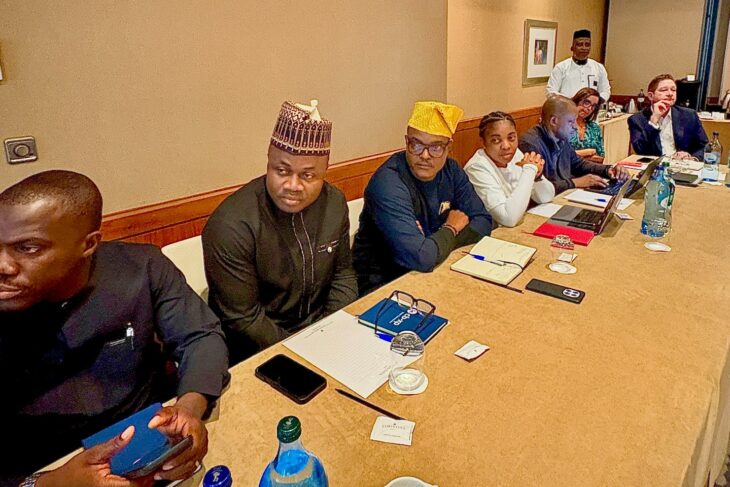
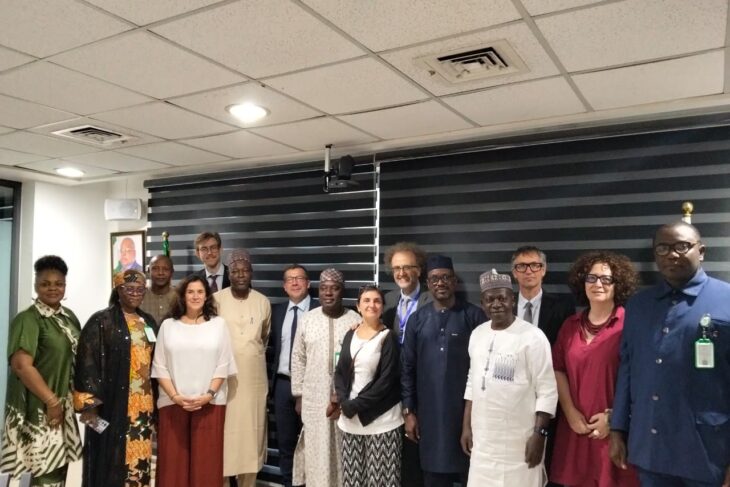
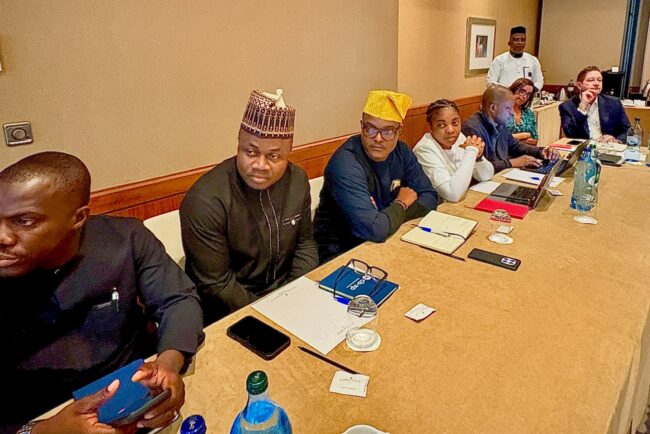
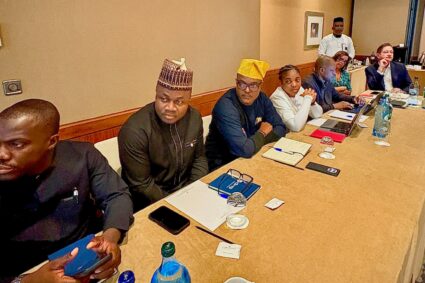
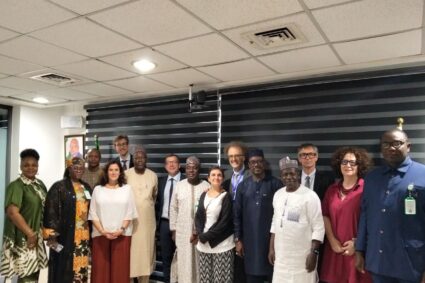
The assembly, held under the theme, “Consolidating the Regional Electricity Market as a Lever of Transformation and Resilience for West Africa,” brought together energy ministers, electricity utility executives, transmission operators and development partners from across the sub-region.
A major outcome of the meeting was the signing of the Inter-grid Operators Agreement by 17 Transmission System Operators, providing an important framework for coordinated operations across interconnected national electricity networks.
The agreement is expected to strengthen operational cooperation and support the effective utilisation of regional transmission infrastructure.
With the planned introduction of the day-ahead market, continued progress in network synchronisation and reforms to the regional market’s institutional structure, WAPP is moving towards a new era in which electricity can be traded more efficiently across national boundaries.
For Abdulaziz and the WAPP leadership, the challenge ahead is no longer simply connecting countries through transmission lines, but ensuring that the infrastructure, institutions and financial arrangements work together to deliver a reliable, transparent and commercially sustainable regional electricity market.