
NISO seeks EU investment as Nigeria moves to end govt monopoly in power infrastructure funding

By Onu Okorie
Nigerian Independent System Operator (NISO) is seeking to attract European investors into Nigeria’s electricity industry as the Federal Government moves to explore alternative financing arrangements for critical power infrastructure, particularly electricity transmission.
The move signals a growing recognition that government funding alone may not be sufficient to address the country’s infrastructure deficit, improve grid stability and support the transition to renewable energy.
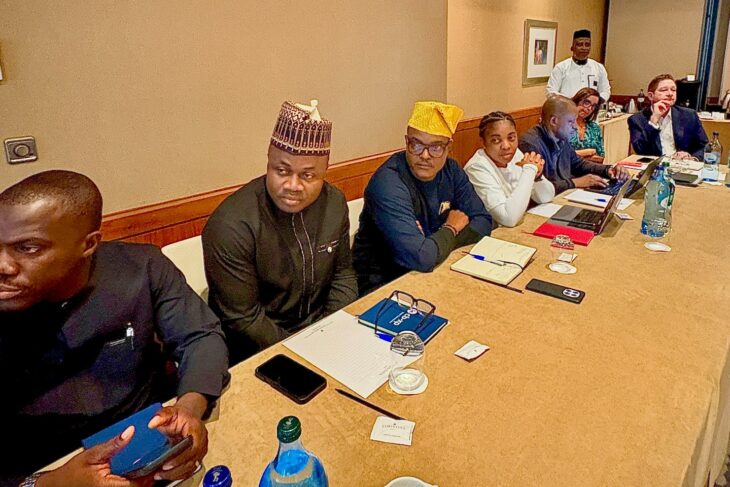
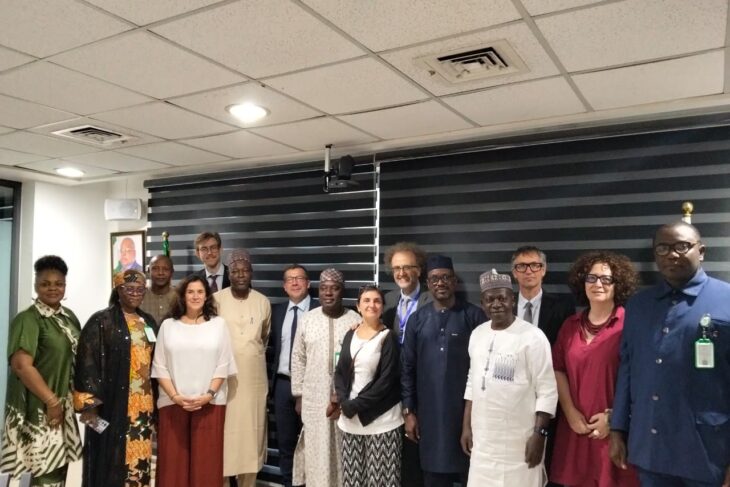
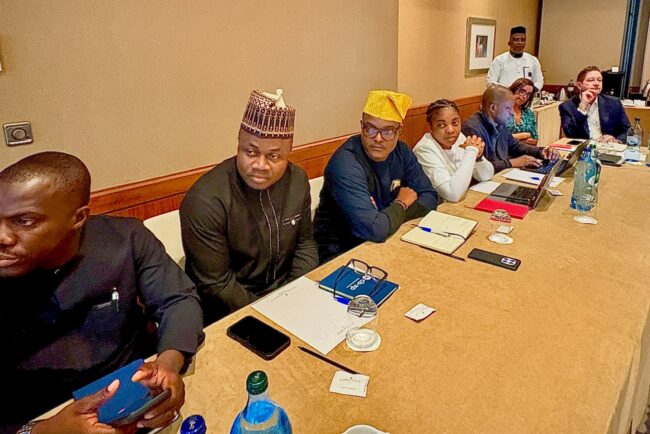
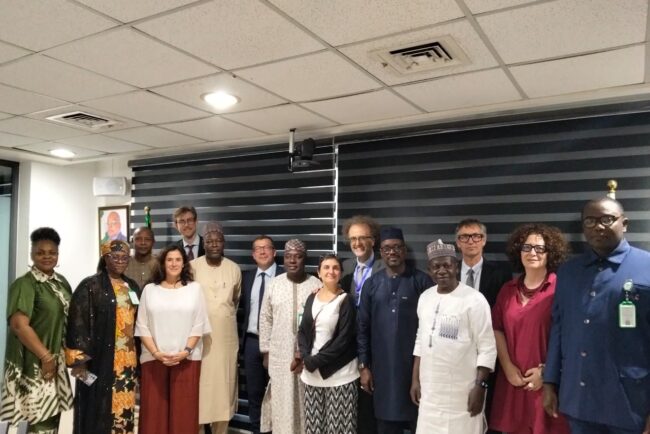
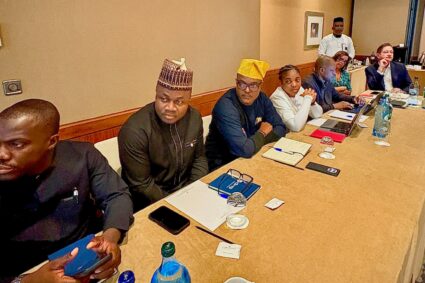
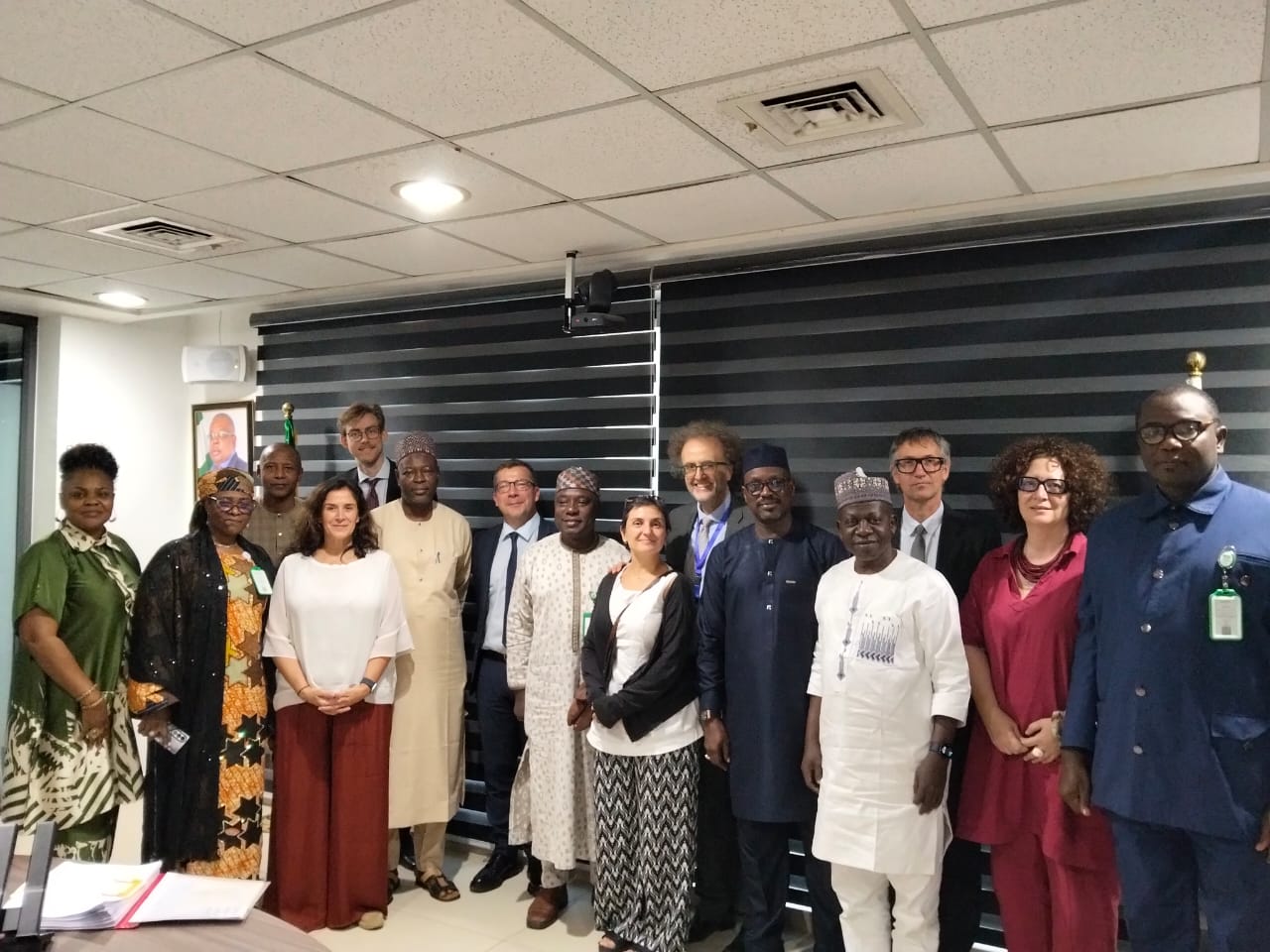
Managing Director/Chief Executive Officer of NISO, Engr. Abdu Mohammed Bello, made this known during a meeting with a delegation of the European Union (EU), where he called for stronger institutional and investment partnerships to unlock opportunities across Nigeria’s electricity value chain.
Bello, who participated virtually in the meeting, said Nigeria offered significant investment opportunities in electricity generation, transmission and distribution, renewable energy, technical training and regional power market development.
He was represented physically by the Executive Director, System Planning, Engr. Shehu Abba-Aliyu, who received the EU delegation on behalf of the organisation’s management.
A major focus of the engagement was the need to reduce the traditional dependence on government resources for financing transmission infrastructure by opening the sector to greater private sector participation.
Bello disclosed that NISO had developed a draft framework to facilitate third-party investments in transmission infrastructure, expressing the hope that the EU would support the development of a bankable financing model capable of attracting long-term private capital.
He urged the European bloc to work with NISO and other relevant stakeholders to establish investment structures that would provide the necessary confidence for private investors to participate in the sector.
The NISO chief executive also identified opportunities emerging from electricity market reforms at the subnational level, particularly in embedded power generation, distribution franchising, metering and revenue protection initiatives.
According to him, Nigeria’s evolving electricity market presents opportunities for European investors to participate in projects that could improve service delivery, expand electricity access and strengthen the financial sustainability of electricity distribution.
On renewable energy, Bello highlighted Nigeria’s considerable solar and wind resources, particularly in northern Nigeria and coastal communities, saying closer cooperation with European countries could accelerate the integration of alternative energy sources into the national grid.
He stressed that diversifying the country’s energy mix had become increasingly important amid gas supply constraints affecting electricity generation.
The proposed collaboration also extends to regional electricity trade, with Bello drawing attention to Nigeria’s successful synchronisation test with the West African Power Pool (WAPP) on November 4, 2025.
The exercise, which lasted more than four hours, demonstrated the potential for improved electricity interconnection and cross-border power transactions within West Africa.
He said the development could open new opportunities for investments in transmission infrastructure and additional generation capacity to support electricity exports to neighbouring countries.
Earlier, Abba-Aliyu acknowledged the EU’s contribution to strengthening NISO’s technical capacity, particularly its sponsorship of three engineers for a five-day technical exposure visit to Ghana.
The engineers were expected to study renewable energy installations and battery energy storage systems, technologies considered increasingly important for managing the complexities associated with integrating intermittent renewable energy into electricity networks.
He said the exposure would strengthen NISO’s capacity to undertake effective system planning and prepare for the growing role of renewable energy in Nigeria’s electricity supply.
Abba-Aliyu described NISO as a relatively young institution established under the Electricity Act 2023, noting that it was working to develop the technical expertise required to support a more diversified and decarbonised electricity system.
He explained that although NISO does not directly finance or execute infrastructure projects, its responsibilities for system operations and planning place it in a strategic position to identify infrastructure gaps and investment requirements across the electricity value chain.
He therefore urged the EU to deepen its engagement with NISO, the Nigerian Electricity Regulatory Commission (NERC) and other sector stakeholders to develop bankable investment frameworks, particularly for transmission and distribution infrastructure.
Responding, the Head of Partnership for the European Union, Mr. Massimo De Luca, said the delegation’s visit was part of efforts to expand EU-Nigeria cooperation in the energy sector, with emphasis on decarbonisation, electricity transmission and regional connectivity.
De Luca explained that the EU was moving beyond its traditional approach of providing mainly technical assistance towards facilitating direct investments and infrastructure partnerships under its Global Gateway Strategy.
He said the strategy was designed to bring together EU member states, European financial institutions and private sector operators to develop investment partnerships capable of delivering tangible infrastructure projects.
He noted that the delegation was interested in understanding NISO’s operational responsibilities, its long-term system planning outlook and the critical investments required to strengthen Nigeria’s electricity infrastructure.
Other members of the delegation included Ms. Lania Cardanta, Team Leader for Green Transition at the Brussels Mission; Mr. Nicolas Hitzenthaler, Head of Sector for Sustainable Energy and Climate Change at the European Commission; and Mr. Dominique de Konink, who works with a technical assistance facility supporting EU institutions on sustainable energy matters.
The engagement comes against the backdrop of Nigeria’s continuing electricity market reforms, which have created new opportunities for private sector participation and increased responsibilities for subnational governments in the management of electricity markets.
For NISO, attracting international investment into transmission infrastructure could prove particularly significant, given the importance of a stronger national grid to improving electricity evacuation, accommodating renewable energy and supporting regional power trade.
The organisation reaffirmed its readiness to work with the EU and other development partners to translate discussions into practical partnerships that will strengthen grid operations, mobilise private capital and improve the reliability and sustainability of electricity supply across Nigeria.