





FG woos investors with 40 Oil, Gas blocks as global energy competition intensifies

By Onu Okorie
Federal Government is stepping up efforts to attract fresh investments into Nigeria’s oil and gas industry as competition for global energy capital intensifies, with the Nigerian Upstream Petroleum Regulatory Commission (NUPRC) announcing plans to offer 40 oil and gas blocks in its 2026 Licensing Round.
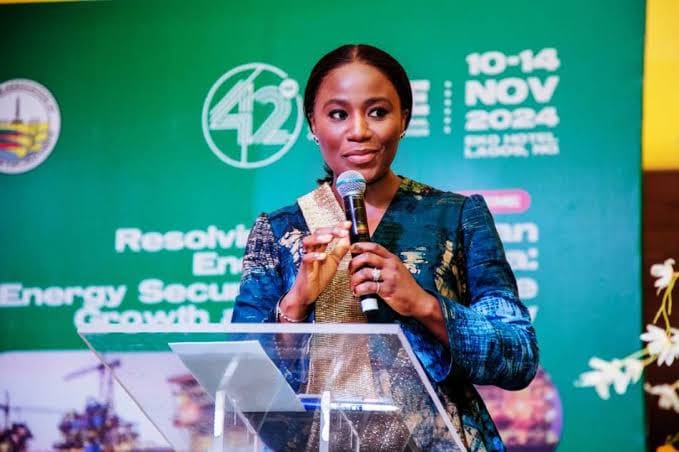
The Commission Chief Executive, Mrs Oritsemeyiwa Eyesan, said Nigeria was positioning itself as a stable and competitive investment destination amid growing geopolitical tensions and uncertainties in the global energy market.
Eyesan disclosed that the bidding portal for the 2026 Licensing Round would officially open on November 20, 2026, urging international investors to take advantage of what she described as an improved operating environment, attractive fiscal terms and enhanced security.
She made the disclosure on Monday, November 2, during a roundtable discussion at the 2026 ADIPEC Exhibition and Conference in Abu Dhabi, United Arab Emirates. The session was themed, ‘Energy Sovereignty in an Interconnected World: Aligning National Priorities, Markets and Global Security’.
According to her, Nigeria has introduced measures to reduce investment risks, manage operational costs and address uncertainties that previously discouraged capital inflows into the upstream petroleum sector.
“We are expecting investors to turn to Nigeria. We are going in for another licensing round and we will be launching our bid portal on November 20. We expect to see interested investors because the environment is a lot more competitive,” she said.
Eyesan explained that the government had put in place an attractive fiscal framework supported by incentives and improved security arrangements to make the country more appealing to international oil companies and other prospective investors.
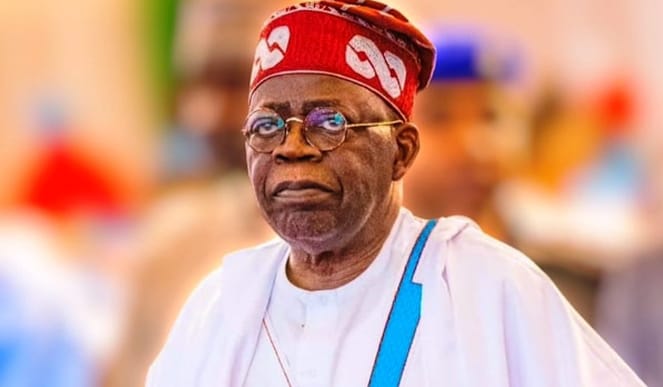
She attributed the improvement in Nigeria’s investment climate to the Petroleum Industry Act (PIA) of 2021 and subsequent executive orders signed by President Bola Tinubu.
The NUPRC chief executive noted that between 2021 and 2026, the Commission had conducted at least four successful licensing rounds, representing a departure from the pre-PIA period when such exercises were less frequent.
She said the reforms had provided greater regulatory clarity and improved the country’s capacity to compete for investments in an increasingly crowded global petroleum market.
Beyond crude oil exploration, Eyesan identified Nigeria’s largely untapped gas reserves as another major investment opportunity, disclosing that the country holds about 215 trillion cubic feet (TCF) of proven gas reserves but produces barely seven billion cubic feet daily.
She said the gap between the country’s enormous gas resources and current production levels offered significant opportunities for investors, particularly with major infrastructure projects being developed to expand domestic supply and facilitate exports.
According to her, the completion of key gas infrastructure projects would help unlock additional volumes for the domestic market and neighbouring countries.
Eyesan also highlighted the proposed Nigeria-Morocco Atlantic Gas Pipeline and the Trans-Sahara Gas Pipeline as strategic projects capable of connecting Nigeria’s gas resources to wider regional and international markets, including Europe.
“The stars are already aligned. For gas infrastructure, we just completed very major infrastructure projects that will unlock gas supply in the country and the sub-region,” she stated.
She added that the proposed pipeline projects would strengthen Nigeria’s position as a major regional gas supplier while opening additional export opportunities.
However, the NUPRC boss acknowledged that competition for petroleum investments had become more intense as new countries and emerging producers entered the global energy market.
She said investors were increasingly assessing countries based on execution risks, project costs, delays and regulatory uncertainties before committing capital.
Eyesan maintained that Nigeria’s ongoing reforms were designed to address these concerns and provide investors with a more predictable operating environment.
“We understand that investors will prize execution risk, cost, delays and also uncertainty. What we have done in Nigeria is to ensure that we guard against these risks and then attract the investment required to enable us unlock the huge resources we sit on,” she said.
The November 20 opening of the 2026 bidding portal is therefore expected to provide another opportunity for Nigeria to translate its petroleum resource potential into fresh capital commitments, increased exploration activities and higher production.
For the country, the challenge will be to sustain the momentum of regulatory reforms, ensure transparency in the allocation of the 40 blocks and translate investors’ interest into actual financial commitments, productive assets and increased oil and gas output.