


Verheijen, calls for increased exploration, local capacity development in Oil, Gas

By Onu Okorie
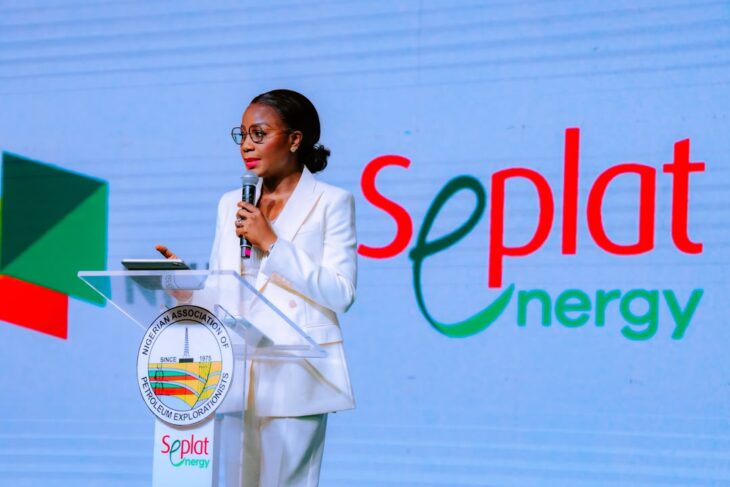
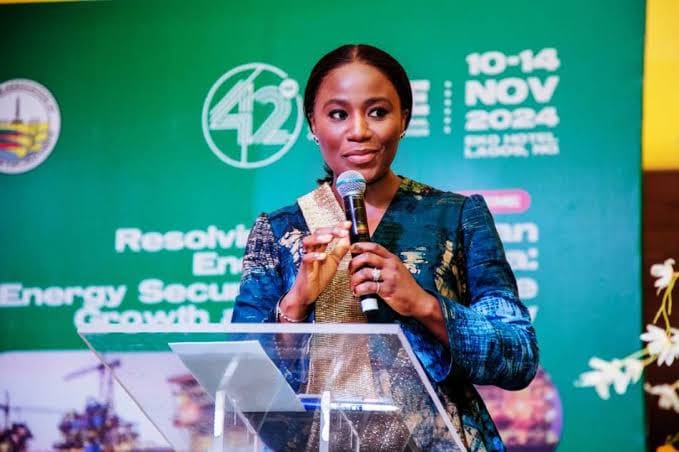
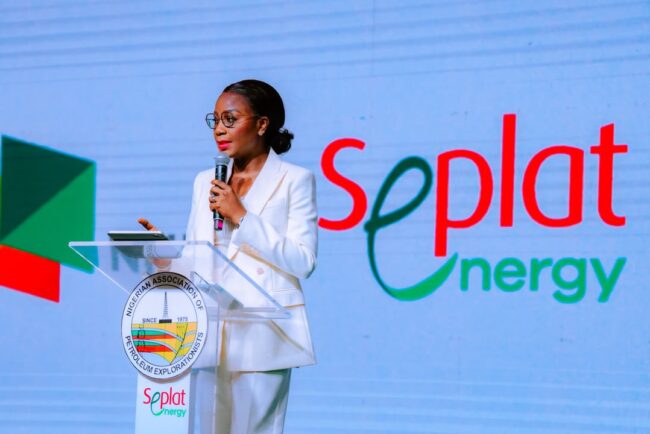
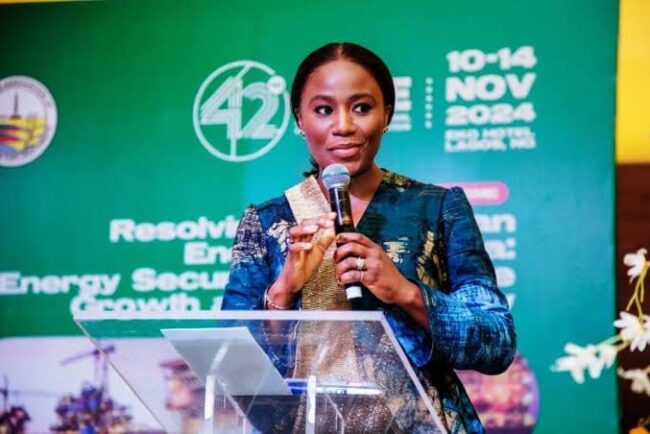
The Special Adviser to the President on Oil and Gas, Olu Arowolo Verheijen, has urged Nigeria to translate its growing oil and gas investments into tangible economic benefits, stressing that increased production must contribute to national development, industrialisation and improved living standards.
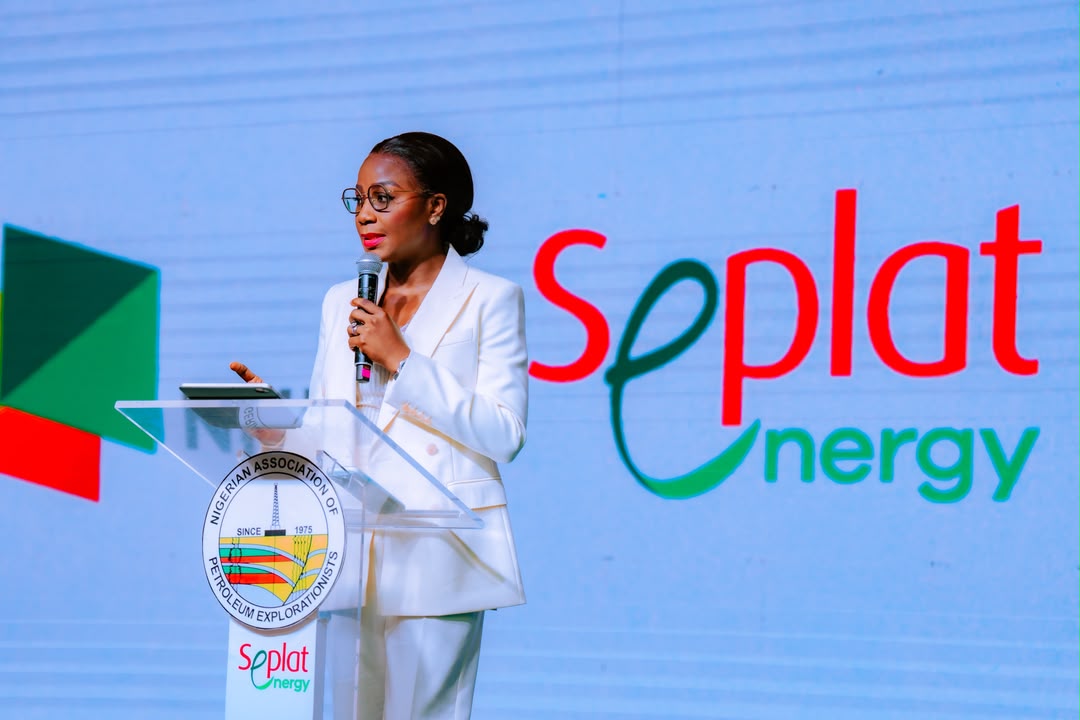
Verheijen made the call while delivering the keynote address at the 44th Annual International Conference and Exhibition of the Nigerian Association of Petroleum Explorationists (NAPE), held on November 9, 2026.
Speaking on the theme, “From Energy Recovery to National Renewal,” she challenged industry stakeholders to look beyond production figures and focus on how the country’s natural resources could strengthen the economy and improve the welfare of Nigerians.
She said Nigeria’s next phase of oil and gas development must be measured not only by the number of barrels produced but also by its contribution to national productivity.
” The next barrel must help build more than our production numbers. It must help build our country,” she declared.
Reflecting on the country’s investment climate, Verheijen cited the IMA gas field, discovered in 1973, which reached a final investment decision in September 2026, describing the more than five-decade gap as evidence of the investment challenges that previously constrained the development of Nigeria’s resources.
According to her, the delay was not due to the absence of gas but rather to weaknesses in the investment environment, including unclear responsibilities, slow contracting processes, uncompetitive fiscal terms and unreliable access to markets.
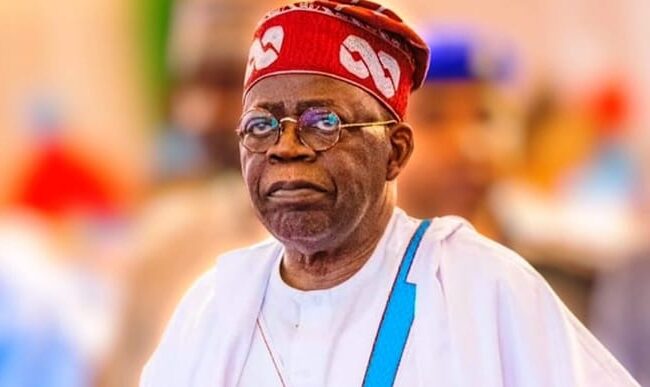
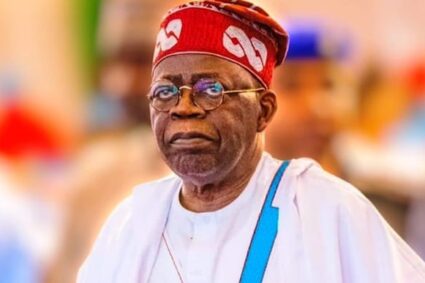
She attributed ongoing changes in the investment climate to reforms initiated under President Bola Ahmed Tinubu, noting that the administration had worked with relevant ministries, regulators, the Nigerian National Petroleum Company Limited (NNPC), operators and investors to address longstanding obstacles to investment.
Verheijen explained that the reforms were designed to encourage production, safeguard existing government revenues, establish workable regulations and provide incentives tailored to different categories of petroleum resources.
She also highlighted the importance of commercial negotiations in unlocking gas investments, particularly initiatives that would expand opportunities for third-party gas supply to Nigeria LNG Limited (NLNG).
The presidential aide disclosed that Ubeta and Bonga North achieved final investment decisions in 2024, while the IMA gas project reached the same milestone in September 2026.
She said the investment decisions represented progress in moving projects from policy discussions into execution, adding that the government must sustain the momentum while improving production from existing assets.
On the priorities for the industry’s next phase, Verheijen identified exploration, local capacity development and technological innovation as three critical areas requiring sustained attention.
She stressed the need for increased exploration activities, improved geological data, credible exploration programmes and development plans that consider infrastructure and market access from the outset.
According to her, although improved reservoir management, infill drilling and enhanced recovery techniques could increase production from mature fields, such interventions must complement rather than replace investments in new discoveries.
She challenged operators to present concrete exploration programmes, identify government decisions required to advance their projects and demonstrate the financial and technical capacity to execute them.
On local content development, Verheijen said the growing participation of Nigerian independent oil companies presented an opportunity to accelerate production, particularly in onshore and shallow-water operations.
However, she noted that increased Nigerian ownership must be supported by sound corporate governance, strong financial capacity and technical expertise.
She emphasised that local content should go beyond the award of contracts to Nigerian companies, arguing that it must result in the development of indigenous expertise, engineering competence and globally competitive manufacturing and fabrication industries.
” We should be proud of Nigerian ownership. We should be ambitious enough to demand Nigerian excellence,” she said.
The presidential aide also called for greater adoption of emerging technologies, including artificial intelligence, digital monitoring, improved seismic interpretation and advanced reservoir modelling, to reduce operational costs, improve recovery and enhance safety.
She noted that methane measurement and other technological interventions could help reduce losses and improve the efficiency of oil and gas operations.
Verheijen further stressed that Nigeria’s energy ambitions must extend beyond the upstream petroleum sector, insisting that oil, gas and electricity should be integrated into a broader national economic development strategy.
She explained that reliable energy supply remained essential to industrialisation, agricultural processing, manufacturing and job creation.
According to her, while oil production could strengthen export earnings and government revenue, natural gas had the potential to provide electricity, support industries and expand export opportunities.
She, however, warned that investments in gas infrastructure would remain difficult to sustain without commercially viable customers and a reliable payment system.
She identified the resolution of legacy debts in the power sector, improved electricity metering and targeted support for vulnerable consumers as important components of efforts to strengthen Nigeria’s energy value chain.
The Special Adviser also urged Nigeria to position itself competitively against emerging oil and gas destinations across Africa and other parts of the world, particularly as new developments in countries such as Guyana continue to attract international investment.
She maintained that Nigeria’s investment proposition must remain attractive regardless of fluctuations in global oil prices or changes in international supply.
Beyond petroleum production, Verheijen called for a stronger connection between resource development and the growth of domestic industries.
She said Nigeria must increase local manufacturing, process more of its agricultural and industrial output and expand energy supply to neighbouring African countries.
Addressing concerns about the impact of economic reforms on ordinary Nigerians, she acknowledged that citizens were entitled to demand visible improvements in their living conditions.
“A family struggling with the cost of living cannot spend a forecast. A business cannot run on a policy announcement,” she said, emphasising the need for sustained implementation and measurable results.
She urged government and industry stakeholders to ensure that ongoing reforms outlast individual administrations and investment cycles.
Reaffirming the four performance benchmarks she presented at the previous year’s NAPE gathering, Verheijen said Nigeria’s petroleum industry must continue to measure progress through reserves, revenues, reliability and responsibility.
She challenged young professionals and emerging industry leaders not to allow another generation to wait decades before the country’s natural resources are fully developed.
According to her, the ultimate objective should be to build an industry with the technical capacity to develop Nigeria’s resources, institutions capable of managing them responsibly and an economy that provides opportunities for future generations.
The keynote address was delivered before the leadership of NAPE, led by its President, Olajumoke Cecilia Ajayi, alongside the Governor of Ondo State, Lucky Aiyedatiwa, and the Minister of State for Petroleum Resources (Oil), Senator Heineken Lokpobiri, as well as other industry leaders and stakeholders.
Verheijen concluded by calling on stakeholders to move beyond the pursuit of increased petroleum production and embrace a broader development vision in which oil and gas investments contribute directly to Nigeria’s economic transformation.