

Abidjan-Lagos Highway: Umahi chairs West African Ministers committee’s 23rd meeting

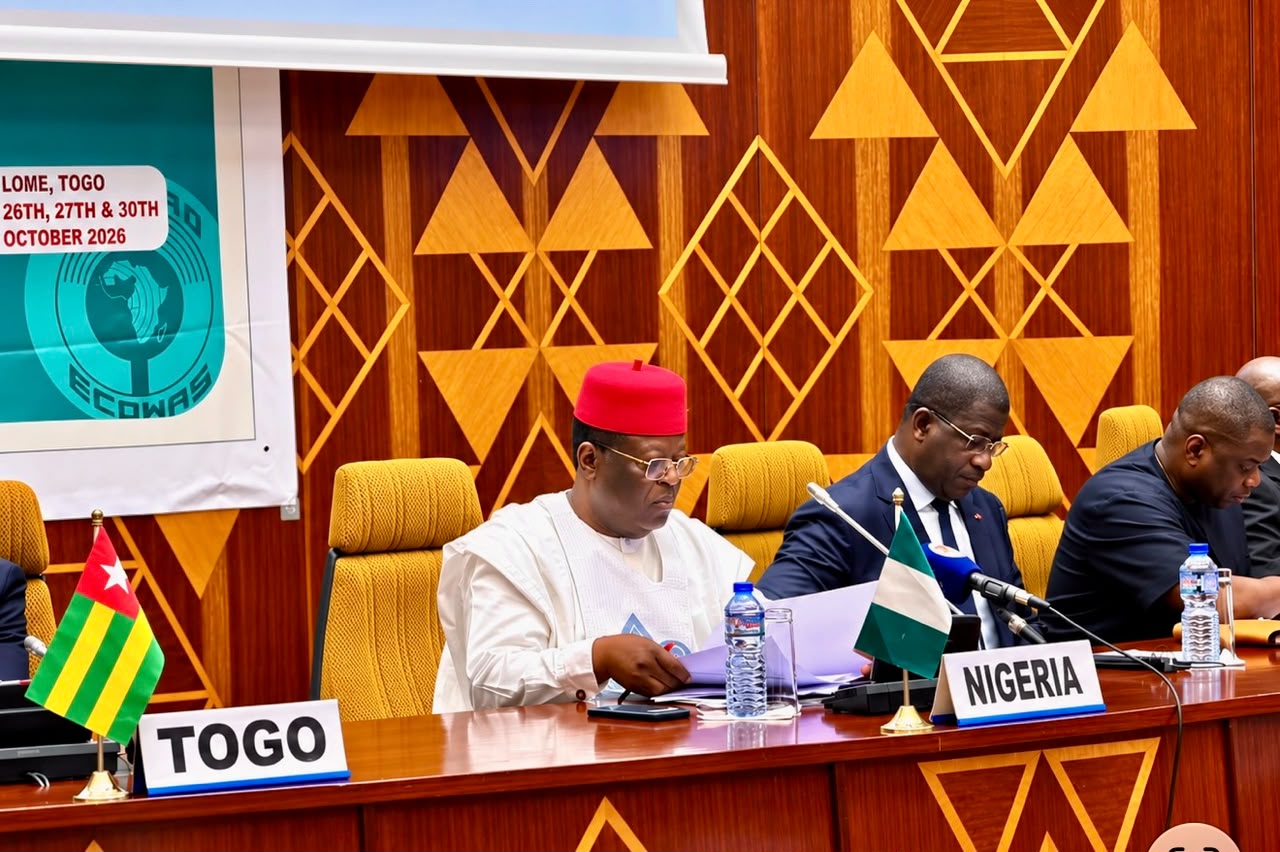
Abidjan-Lagos Highway: Umahi chairs West African Ministers committee’s 23rd meeting

By Onu Okorie
Efforts to unlock financing and clear outstanding implementation hurdles for the Abidjan-Lagos Corridor Highway are taking centre stage in Lomé, Togo, as ministers from participating West African countries meet to push the strategic regional project towards its next phase.
Nigeria’s Minister of Works, Senator David Umahi, who chairs the Ministerial Steering Committee of the Abidjan-Lagos Corridor Highway Development Project, is leading deliberations at the committee’s 23rd meeting on Friday, October 30, 2026.
A major issue before the ministers is the mobilisation of investment financing for the highway, with the African Development Bank (AfDB), serving as Mandatory Lead Arranger, expected to provide an update on efforts to secure the funding required to deliver the project.
The ministers are expected to assess progress made in the financing process and agree on further actions necessary to attract investment and accelerate implementation.
Beyond financing, the meeting is expected to tackle critical technical and institutional issues, including right-of-way arrangements across participating countries and the continued operationalisation of the Abidjan-Lagos Corridor Management Authority (ALCoMA).
The highway is regarded as one of West Africa’s most ambitious regional infrastructure projects, designed to improve the movement of people, goods and services while reducing transportation bottlenecks along one of the region’s busiest economic corridors.
Its implementation is also expected to strengthen cross-border trade and deepen economic integration among countries along the Abidjan-Lagos route.
The ministerial meeting follows the 23rd Technical Meeting of the Committee of Experts held on October 26 and 27, during which project directors and engineers reviewed progress across various components of the highway.
The technical experts examined strategies for advancing studies required for construction and considered issues surrounding right-of-way, which remains crucial to making land available for the project.
They also reviewed the operationalisation of ALCoMA and the progress being made by the AfDB in mobilising investment financing.
Complementary projects and interventions being undertaken by other development partners to support the integrated development of the corridor were equally considered.
At Friday’s meeting, the ministers are expected to receive and consider the experts’ report and recommendations, with decisions expected on outstanding issues and the next implementation steps.
The ALCoMA Board of Directors is also expected to present reports and recommendations from its first and second board meetings.
The Steering Committee will consider the submissions and approve relevant resolutions aimed at strengthening coordination among participating countries and sustaining momentum on the project.
Umahi’s chairmanship places Nigeria in a strategic position in discussions over the delivery of the transnational highway, particularly as the Federal Government seeks to use transport infrastructure to expand regional commerce and improve Nigeria’s connections with neighbouring West African economies.
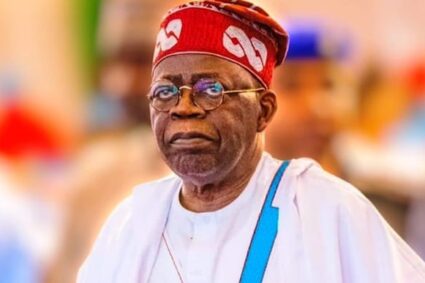
Under President Bola Tinubu’s administration, the Ministry of Works has increasingly positioned major road infrastructure not only as domestic transport projects but also as instruments for trade expansion and regional economic integration.
The Abidjan-Lagos highway is expected to provide stronger transport links among major West African economies, ease cross-border movement and facilitate the flow of goods and services.
Its successful delivery could also complement wider efforts to boost intra-African trade by addressing infrastructure and transportation constraints that continue to limit commerce across national borders.