



NDPHC: Reps threaten demolition of infrastructures on power transmission Rights of Way

NDPHC: Reps threaten demolition of infrastructures on power transmission Rights of Way

By Onu Okorie
The House of Representatives has threatened the demolition of churches, hotels, private residences and other structures allegedly erected illegally on Federal Government rights of way for critical electricity transmission projects, warning that continued encroachment is threatening billions of naira in public power-sector investments.
The House Committee on Public Assets said drastic action could be taken against offending structures following its inspection of projects being executed by the Niger Delta Power Holding Company (NDPHC) in Enugu and Imo states.
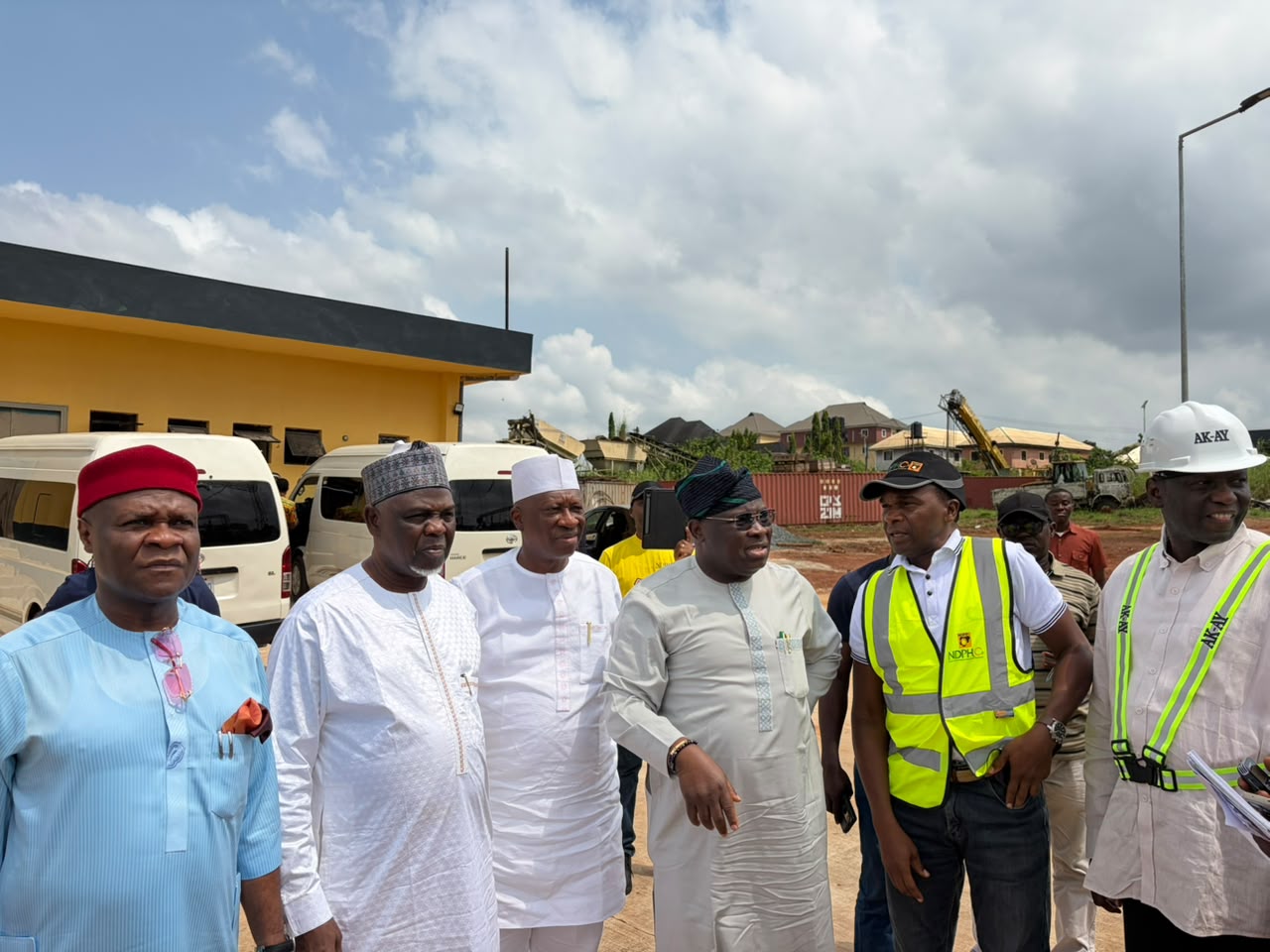
Chairman of the committee, Hon. Kuye Ademorin, issued the warning after lawmakers inspected the 132kV New Haven-Ninth Mile-Nsukka Double Circuit Transmission Line in Enugu State and the Egbu 330/132/33kV substation in Owerri, Imo State.
The committee said it discovered that churches, hotels, private residences and even state government buildings had sprung up along designated transmission routes, creating obstacles to the completion of electricity infrastructure intended to strengthen supply in the South-East.
“It is not going to be business as usual. We are going to take drastic, appropriate steps to ensure that those structures are removed,” Ademorin warned.
The development comes as NDPHC disclosed that the Egbu substation in Owerri has reached about 85 per cent completion and is expected to inject approximately 250 megawatts into electricity supply in Imo State, with the Orlu axis among areas expected to benefit significantly.
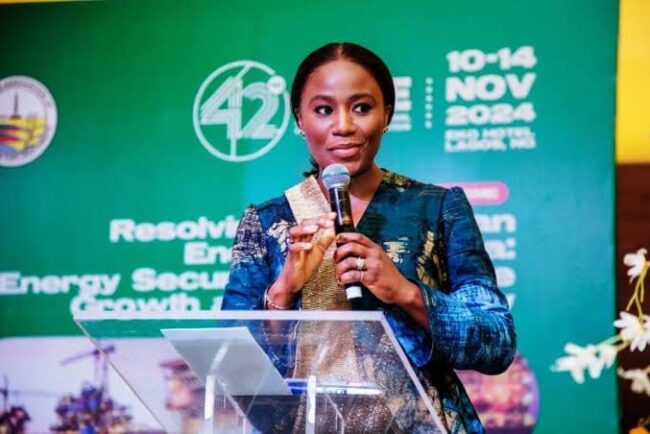
The project, originally awarded in 2006, has received renewed attention under the leadership of NDPHC Managing Director and Chief Executive Officer, Engr. Jennifer Adighije, with completion projected for around March 2027.
Ademorin questioned how buildings could have been approved by state authorities on corridors already designated as Federal Government rights of way for transmission infrastructure.
He said the encroachment had contributed to delays in projects intended to improve electricity supply and provide the energy infrastructure needed for industrial development.
Vandalism of power assets, he added, had compounded the problem and continued to undermine Federal Government investments in the electricity sector.
“We observed the magnitude of investment by the Federal Government in building a sustainable power system for the country, particularly in our states, to help them develop their industrial base through adequate power supply.
“However, to our chagrin and disappointment, we saw a people who are not totally buying into the vision of a greater country for all of us,” the lawmaker said.
Ademorin called for stronger cooperation between federal and state governments to secure transmission corridors and other public assets, arguing that infrastructure investments would continue to suffer unless governments jointly tackle encroachment and vandalism.
He specifically appealed to the governors of Enugu and Imo states to collaborate with NDPHC in clearing impediments to the projects, protecting Federal Government assets and accelerating construction.
The committee chairman also urged the Federal Government to prioritise the completion of ongoing electricity projects and ensure contractors are paid promptly to prevent avoidable delays.
He stressed that compensation for legitimate landowners whose property is acquired for public infrastructure should equally be paid without unnecessary delay, saying this would reduce disputes and litigation capable of slowing project execution.
Ademorin, however, expressed satisfaction with the quality of work at the Owerri substation and said its completion could significantly improve electricity supply and industrial activities across the area.
Other members of the House Committee who participated in the inspection included Hon. Mark Obetta, Hon. Lanre Okunlola, Hon. Sani Rigo and Hon. Canice Moore Nwachukwu.
The committee also advised prospective property buyers to conduct proper investigations before purchasing land to ensure that plots do not fall within government-approved rights of way.
According to Ademorin, removing obstacles to the completion of the transmission projects would have benefits beyond electricity supply, as improved power infrastructure could stimulate industrialisation, generate employment and contribute to improved security and social stability in affected communities.