


Adeniyi: Truth, Credibility Must Anchor Media Relations, Journalism

By Onu Okorie
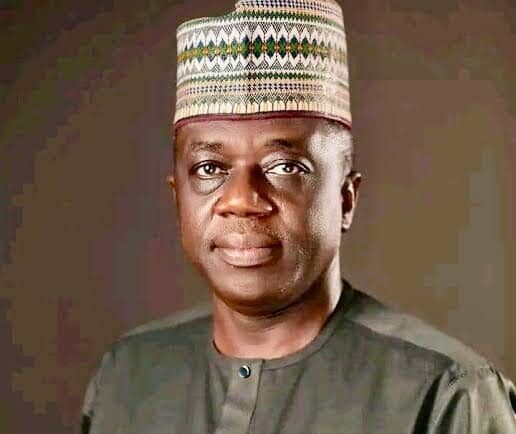
Chairman of the THISDAY Editorial Board, Mr Segun Adeniyi, has challenged public relations practitioners to make truth, accuracy and transparency the foundation of their engagement with journalists, warning that attempts to manipulate information and manage public perception at the expense of facts undermine public trust.
Adeniyi, who spoke on the theme of strengthening the relationship between journalists and public relations practitioners, said the relationship should not be built on personal friendship or mutual convenience but on their shared responsibility to ensure that the public receives accurate and credible information.
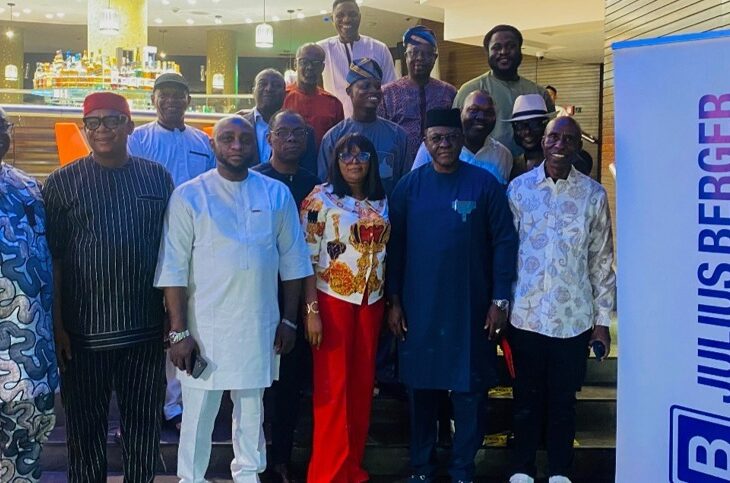
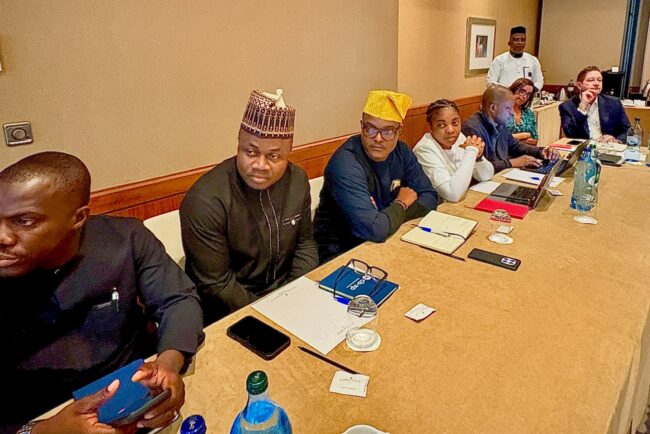
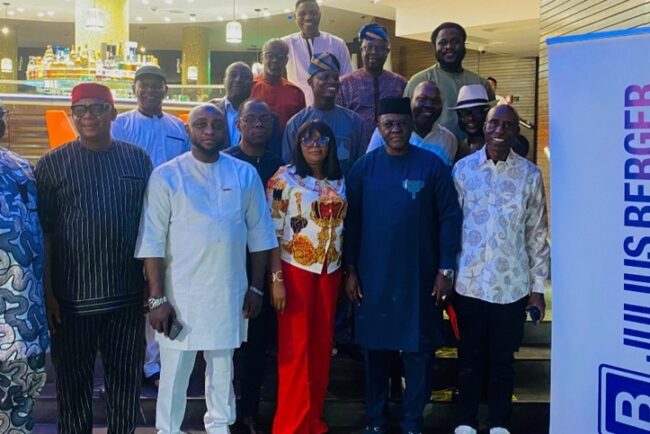
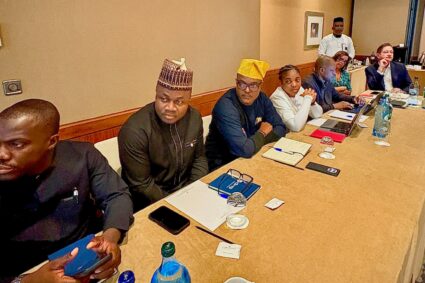
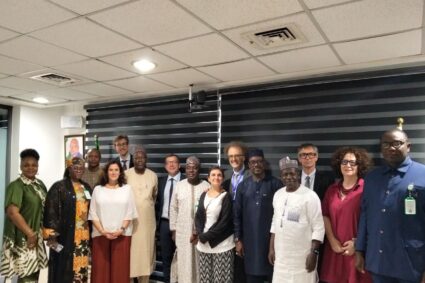
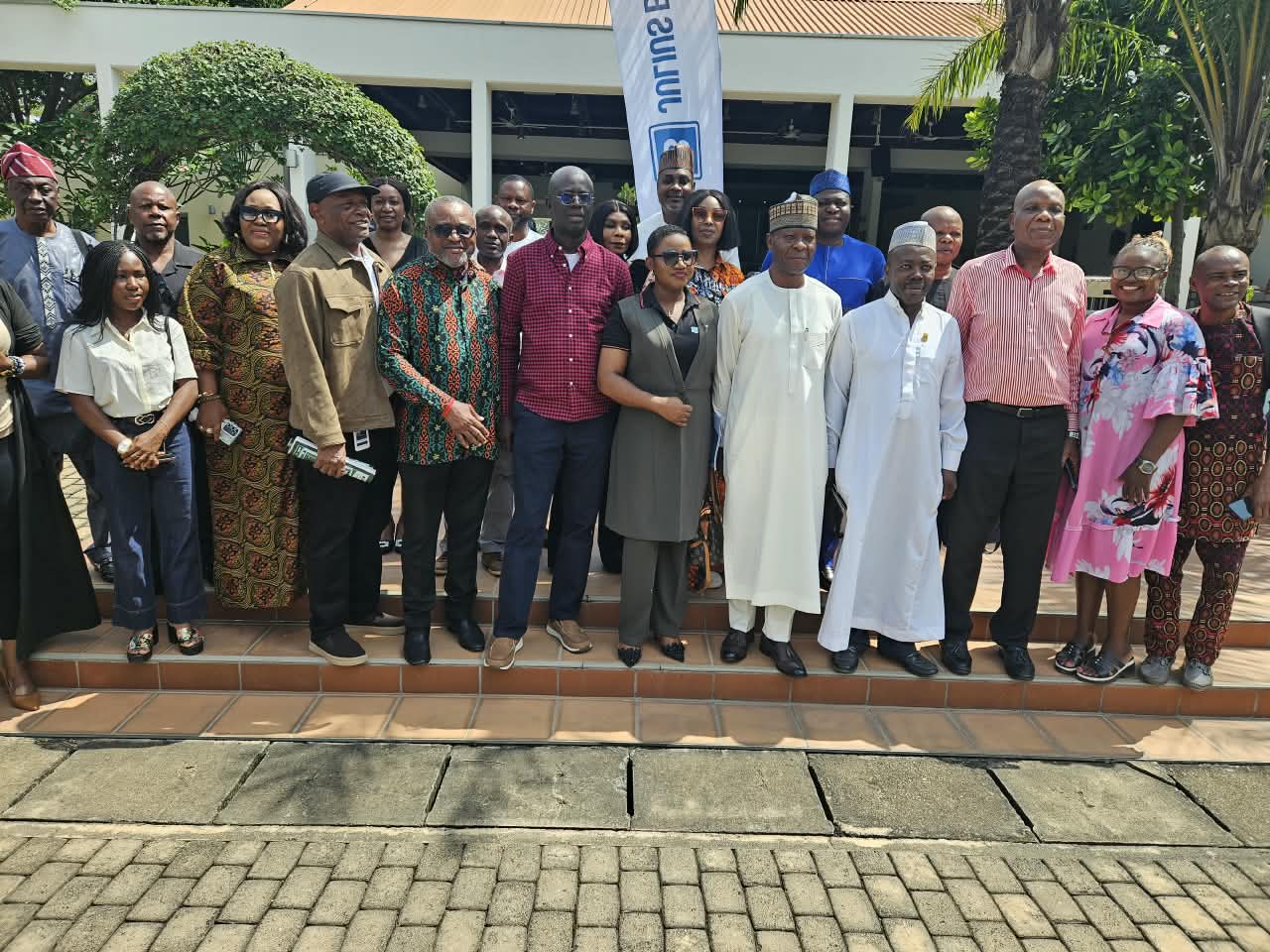
Delivering a keynote address at Julius Berger 2026, Abuja media relations parley, he argued that while public relations practitioners owe their primary loyalty to the organisations they represent, journalists are accountable to their readers, listeners and viewers.
According to him, the two professions may have different institutional obligations, but their ultimate responsibility converges around the public’s right to reliable information.
“The bond between journalists and media relations practitioners is not in friendship, and we do ourselves a disservice when we pretend it is. Our loyalties are different and they should be. The practitioner owes a duty to the organisation he represents; the journalist owes a duty to the reader, the listener and the viewer,” he said.
He added that what binds both professions is their responsibility to serve an accurately informed public, stressing that without this shared objective, their relationship would become merely transactional.
Drawing from the history of public relations, Adeniyi cited the 1906 declaration of principles by Ivy Lee, widely regarded as one of the founders of modern public relations, who insisted that the profession should operate openly and provide accurate information.
He also referenced Edward Bernays’ 1947 essay, The Engineering of Consent, as an illustration of the contrasting traditions that have shaped public relations practice.
While Lee’s approach emphasised providing information to the press, he noted that Bernays’ tradition focused on influencing public opinion on behalf of clients.
Both approaches, he observed, remain evident in Nigeria’s media and public relations environment, with practitioners constantly making choices about whether to provide journalists with factual information or attempt to shape public perception.
Adeniyi maintained that journalists and the public could distinguish between practitioners committed to transparency and those more interested in controlling narratives.
He said the principles established by Lee more than a century ago remained relevant to the professional obligations of public relations practitioners.
Reflecting on his experience as a former presidential spokesman, Adeniyi acknowledged that he had also faced the temptation to manipulate information while managing the image of a political leader.
He recalled an incident in 2008, when he instructed a cameraman with the Nigerian Television Authority (NTA) to film then President Umaru Musa Yar’Adua from only one side to conceal facial swelling caused by an allergic reaction.
The incident, which he documented in his book, Power, Politics and Death, offered him an enduring lesson about the delicate boundary between managing public perception and manipulating the truth.
According to him, the distinction between image management and truth management is often crossed through seemingly minor decisions rather than dramatic acts of deception.
Adeniyi, who served as Yar’Adua’s spokesman for three years after leaving the newsroom in 2007, said his experience taught him that although a spokesperson might sometimes be unable to disclose certain information, there was no justification for deliberately misleading journalists.
He explained that silence could sometimes be the most responsible option available to a media relations professional when confronted with sensitive issues or information that could not be disclosed.
“Silence is sometimes the only honest option available to a media relations practitioner. A lie never is,” he declared.
He warned that journalists might accept a spokesperson’s inability to comment on an issue but would have little tolerance for deliberate falsehoods.
“Journalists will forgive you for saying, ‘I cannot comment on that.’ They will not forgive you, and they should not, for telling them what you know to be false,” he added.
The former presidential spokesman also emphasised the importance of granting communication officers sufficient access to decision-making processes within their organisations, arguing that their effectiveness depends largely on the confidence and trust reposed in them by their principals.
He explained that his access to high-level presidential meetings during the Yar’Adua administration enabled him to respond more effectively to media enquiries because he understood the decisions and policies he was expected to communicate.
Adeniyi warned that spokespersons who are excluded from important meetings and policy discussions would struggle to provide credible information to journalists.
He urged political office holders, chief executives and other organisational leaders to involve their communication teams in strategic discussions rather than expecting them to defend decisions they were not part of making.
He stressed that a spokesperson who lacks the confidence of the organisation’s leadership cannot effectively perform the responsibilities of the office, regardless of professional competence.
Turning to the changing dynamics of the media industry, Adeniyi identified increasing dependence on public relations materials as one of the major factors reshaping the relationship between journalists and communication professionals.
He cited research by Cardiff University in 2008, which found that approximately 80 per cent of news stories in Britain’s quality national newspapers were at least partly based on recycled wire reports or public relations materials.
He also referenced American media industry figures showing that public relations specialists now outnumber journalists by approximately six to one.
Although he said he was unaware of a comparable study for Nigeria, Adeniyi observed that the growing pressure on newsrooms, shrinking editorial resources and increasing demands for content had made journalists more dependent on information supplied by public relations practitioners.
He warned that this growing dependence made accuracy and professional responsibility even more important.
According to him, the more journalists rely on information supplied by communication professionals, the greater the obligation on the latter to ensure that such information is truthful, balanced and verifiable.
Citing this year’s Muck Rack State of Journalism survey, he disclosed that 86 per cent of American journalists surveyed said at least some of their stories originated from pitches by public relations practitioners.
He said the figures demonstrated the growing influence of public relations professionals in the news production process and underscored the need for stronger ethical standards in media relations.
Adeniyi, who began his journalism career with The Guardian in January 1990 after completing his National Youth Service Corps programme, said his experience on both sides of the professional divide had given him a deeper understanding of the competing demands confronting journalists and media relations practitioners.
He recalled that he became editor of ThisDay newspaper before his appointment as presidential spokesman in 2007, eventually returning to the newsroom after serving in the administration of the late President Yar’Adua.
He said the dual experience placed him in a unique position to understand the expectations and limitations of both professions.
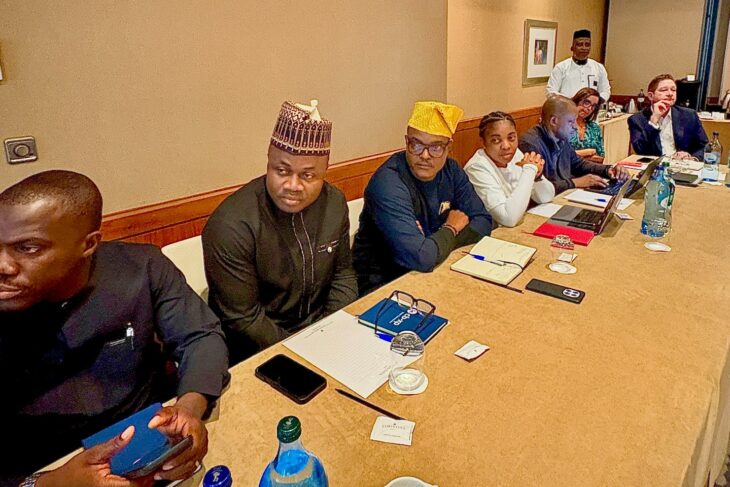
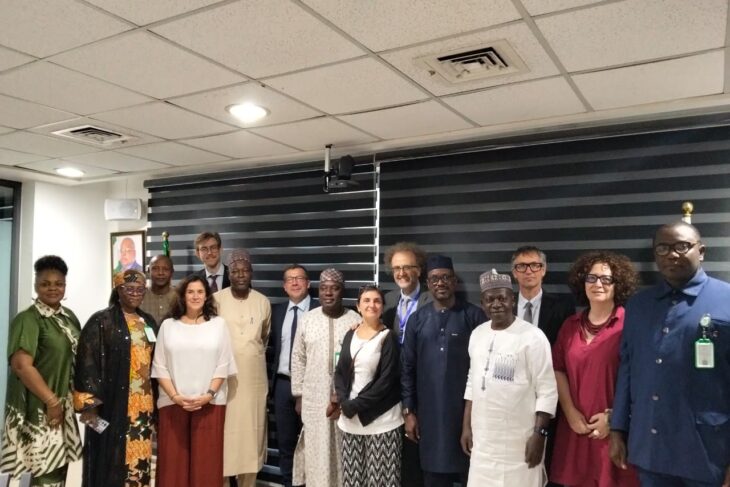
At the beginning of his address, Adeniyi commended the organisers for bringing journalists together for the engagement, particularly for achieving an impressive turnout early on a Friday morning.
He also acknowledged the contribution of the Regional Manager, Administration, Dr Ismaila Mohamed Amadou, and other members of the organising team.
Recalling the previous year’s discussion, which focused on public relations and the media as a missing link, Adeniyi observed that the current conversation had shifted towards strengthening an existing relationship.
He said the transition from searching for the missing link to reinforcing the bond within twelve months reflected the growing recognition of the importance of constructive engagement between the media and public relations professionals.
He, however, maintained that such engagement would only produce meaningful results when anchored on professional integrity, access to credible information and respect for the public’s right to know.