






CBN is major passmark for Tinubu’s administration, says Professor Ife

By Onu Okorie
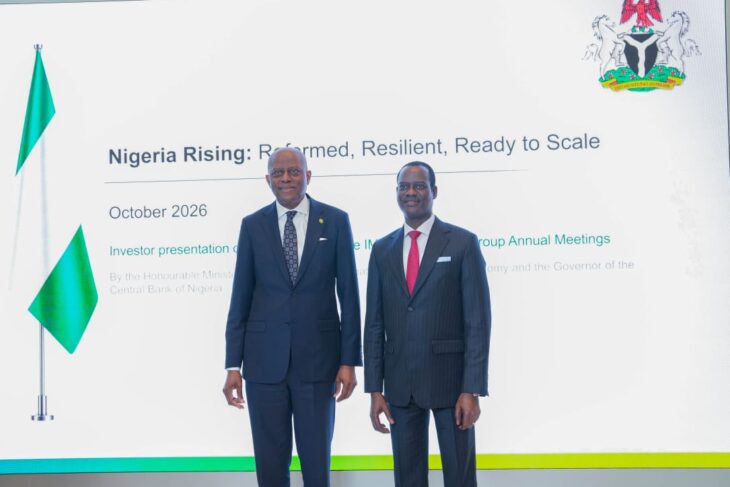
Professor Ken Ife has identified the Central Bank of Nigeria CBN as one of the major areas of achievement of the President Bola Ahmed Tinubu administration, arguing that the bank’s monetary and financial sector reforms have contributed to improvements in key macroeconomic indicators.
Speaking on the administration’s economic performance, in exclusive interview with presidentstrides daily news, Ife described CBN as a major positive benchmark for assessing the government’s achievements, noting that the progress recorded in the country’s financial sector stands out among the administration’s economic interventions.
According to him, “the government has made significant progress in addressing inherited financial obligations, strengthening the country’s external reserves and improving Nigeria’s balance of payments position.”
He noted that substantial legacy debts have been settled, while the country’s foreign reserves have risen to more than $54 billion, providing additional support for external transactions and confidence in the economy.
Ife also highlighted the reported improvement in Nigeria’s balance of payments position, efforts to address liquidity challenges and the unification of the foreign exchange market as important developments in the country’s economic management.
He argued that these measures have contributed to moving key macroeconomic indicators towards positive convergence.
“A practical example of the potential impact of foreign exchange market reforms can be seen in the operations of Nigerian businesses that depend on imported raw materials, machinery and equipment.”
“For instance, a manufacturing company importing production equipment previously had to contend with multiple exchange rates and uncertainties in accessing foreign exchange.”
“The unification of the exchange rate was intended to establish a more transparent and consistent pricing framework, making it easier for businesses to determine their foreign exchange costs and plan their transactions.” He stated.
The funancial analist also explained that the strengthening of foreign reserves can similarly, help improve the country’s capacity to meet external payment obligations, including payments for essential imports and international transactions.
On debt management, he nited that the settlement of inherited obligations can reduce outstanding liabilities and help restore confidence among international creditors and development partners.
Ife’s assessment places the CBN’s monetary policy and financial sector reforms at the centre of the administration’s economic narrative, particularly in relation to external reserves, foreign exchange management, debt obligations and balance of payments.
The developments, as highlighted by Ife, provide a basis for examining the role of monetary policy and financial sector reforms in the administration’s broader economic reform programme.