




PTDF: Building Nigeria’s Indigenous Oil and Gas Workforce

PTDF: Building Nigeria’s Indigenous Oil and Gas Workforce,

How Nigeria’s petroleum technology development agency is transforming human capital, strengthening local content and positioning the country as a centre of excellence for energy professionals across Africa, write our Editor Onu Okorie. Excerpt.
For decades, one of the greatest challenges confronting Nigeria’s oil and gas industry has been the shortage of highly skilled indigenous professionals capable of occupying strategic technical and managerial positions across the petroleum value chain. Despite being one of Africa’s leading oil-producing nations, Nigeria historically depended heavily on foreign expertise, technology and specialised manpower to operate critical segments of its petroleum industry.
The establishment of the Petroleum Technology Development Fund (PTDF) represented a deliberate attempt by the Nigerian government to reverse this trend and build the human and institutional capacities required to enable the country manage its petroleum resources with indigenous expertise.
Today, the importance of the PTDF extends far beyond the provision of scholarships. It has become one of the most strategic institutions in Nigeria’s petroleum sector, investing in the development of engineers, geoscientists, researchers, scientists, technicians and other professionals whose expertise is essential to the growth, competitiveness and sustainability of the oil and gas industry.
Through its scholarship programmes, institutional development initiatives, research interventions and international academic partnerships, the Fund has contributed significantly to the emergence of a new generation of Nigerian energy professionals.
Indeed, the PTDF has become a major pillar of Nigeria’s local content development aspirations, demonstrating that genuine local content goes beyond the participation of indigenous companies in oil and gas contracts. It must also involve the availability of Nigerians with the technical knowledge, professional competence and research capabilities required to execute sophisticated projects and manage critical industry operations.
Nearly 15,000 Nigerians Benefiting From PTDF Investment
One of the most remarkable indicators of PTDF’s impact is the number of Nigerians who have benefited from its human capital development programmes.
The Fund disclosed in October 2026 that it had sponsored nearly 15,000 Nigerians for undergraduate and postgraduate education in Nigeria and abroad through its Overseas Scholarship Scheme and In-Country Scholarship Scheme.
As of July 2026, 1,571 Nigerian scholars were studying in 15 countries across more than 120 partner institutions.
These figures reflect the scale of an intervention that has continued to expand opportunities for Nigerians to acquire specialised knowledge and international exposure in disciplines relevant to the petroleum and energy industries.
Through partnerships with reputable universities in the United Kingdom, Germany, France, Malaysia and other countries, PTDF has provided opportunities for Nigerians to undertake advanced studies in petroleum engineering, chemical engineering, geology, geophysics, environmental science, energy economics, information technology and other specialised fields.
The United Kingdom remains one of the Fund’s major international academic partners, with PTDF maintaining relationships with 24 British universities.
Institutions such as the University of Portsmouth, University of Strathclyde and Robert Gordon University have played important roles in providing advanced training opportunities for Nigerian scholars.
The significance of these investments cannot be measured merely by the number of certificates awarded. Their real value lies in the knowledge, technical competence and professional experience that beneficiaries bring back to Nigeria and contribute to the development of the nation’s petroleum industry.
Many beneficiaries have found opportunities across the oil and gas industry, regulatory institutions, universities, research establishments and other critical sectors of the economy.
This is particularly important at a time when Nigeria is seeking to increase crude oil production, expand gas utilisation, attract international investments and strengthen indigenous participation in the petroleum value chain.
The PTDF’s investment in education is, therefore, an investment in Nigeria’s economic independence and technological future.
Taking Local Content Beyond Contracts and Procurement
Nigeria’s local content policy has often been discussed in terms of indigenous ownership, employment opportunities, fabrication, procurement and the participation of Nigerian companies in oil and gas projects.
However, the sustainability of these objectives depends significantly on the availability of qualified Nigerians capable of providing the technical expertise required by the industry.
This is where PTDF occupies a particularly strategic position.
While indigenous companies may secure contracts and participate in major petroleum projects, the ability to execute such contracts efficiently depends on access to competent engineers, scientists, project managers, technicians and other specialised professionals.
By investing in the development of these professionals, PTDF provides an important human capital foundation for the implementation of Nigeria’s local content policy.
Its interventions complement the work of the Nigerian Content Development and Monitoring Board (NCDMB), particularly in the broader national effort to increase indigenous participation and reduce dependence on expatriate manpower.
The Fund’s mandate also covers institutional capacity development, research and the acquisition and adaptation of relevant technologies.
This means that its responsibilities extend beyond training individuals to strengthening the institutions and research environments that will sustain indigenous technological development.
In practical terms, PTDF is helping Nigeria move from being merely a country where petroleum resources are extracted to becoming a country capable of developing the expertise, technology and manpower required to manage an increasingly sophisticated energy industry.
Kaduna Institution: A New Chapter in Indigenous Energy Education
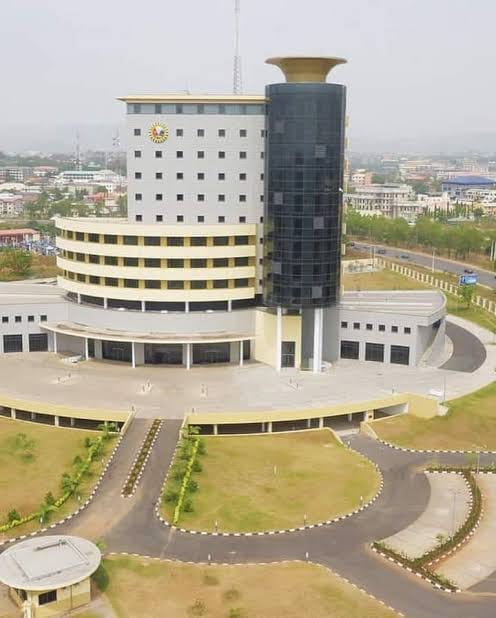
Perhaps one of the most significant developments in PTDF’s institutional capacity-building agenda is the establishment of the General Shehu Musa Yar’Adua University of Geological Sciences and Engineering Technology in Kaduna.
The institution, which evolved from the College of Petroleum and Energy Studies, Kaduna, represents a major investment in Nigeria’s ambition to domesticate advanced petroleum and energy education.
Established as a specialised institution to address the technical manpower requirements of the oil and gas industry, the university is designed to bridge the gap between academic knowledge and practical industry requirements.
It is registered and licensed by the Federal Government through the National Universities Commission to offer postgraduate programmes at Master’s and Doctoral levels.
Its academic and research orientation is focused on geological sciences, engineering technology and other disciplines relevant to the petroleum and energy industries.
The institution is also expected to serve as a platform for vocational training, professional development, research collaboration and the domestication of some of the advanced training programmes previously undertaken exclusively outside Nigeria.
Its facilities include laboratories, simulation centres, hostels, a postgraduate school and conference facilities.
The importance of the Kaduna institution goes beyond the physical infrastructure. It represents a strategic shift in the way Nigeria approaches specialised energy education.
For years, the country spent substantial resources sending qualified Nigerians abroad to acquire advanced petroleum-related knowledge.
While international exposure remains important, developing a world-class institution within Nigeria provides an opportunity to train more professionals, strengthen local academic capacity, reduce foreign exchange expenditure and retain more knowledge within the country.
It also creates opportunities for collaboration between Nigerian scholars and international academics without requiring every beneficiary to undertake an entire programme overseas.
Split-Site PhD Programme: Bringing International Standards Home
One of the important initiatives demonstrating this new direction is PTDF’s Split-Site PhD Programme.
The programme combines academic training in Nigeria with research and specialised exposure at selected international partner universities.
Under the arrangement, scholars undertake part of their doctoral studies at the Kaduna institution before proceeding to partner universities in the United Kingdom for further research and academic engagement.
The programme is being implemented through partnerships involving the University of Portsmouth, University of Strathclyde and Robert Gordon University.
In March 2026, PTDF commenced the programme with the induction of 43 pioneer scholars.
The initiative attracted 3,702 applications following its advertisement in May 2025, highlighting the considerable interest among Nigerians in advanced energy-related education.
The programme is particularly significant because it demonstrates that international-standard postgraduate education can increasingly be delivered through Nigerian institutions.
It also provides an opportunity for Nigerian lecturers and researchers to engage directly with international academics, thereby strengthening local teaching and research capabilities.
Beyond the academic benefits, the arrangement offers considerable economic advantages.
Training scholars partly within Nigeria reduces expenditure on international tuition, accommodation, travel and other foreign currency-related costs.
More importantly, it strengthens the country’s ability to produce specialised professionals locally.
PTDF is also exploring opportunities to expand the programme and introduce executive courses that could attract students and professionals from other African countries.
This is an important development in Nigeria’s ambition to become a regional centre for petroleum and energy education.
From Nigerian Capacity Development to an African Centre of Excellence
One of the most compelling aspects of PTDF’s long-term vision is its potential to extend its influence beyond Nigeria’s borders.
The Fund’s vision is not simply to develop indigenous manpower for Nigeria’s petroleum industry but to position the country as a human resource centre for the West African sub-region and the Gulf of Guinea.
This ambition is becoming increasingly relevant as African countries seek to develop their petroleum resources, expand gas production, improve energy security and build the technical expertise required to manage their energy industries.
Many countries across the continent face similar challenges, including shortages of specialised manpower, limited research facilities and dependence on foreign technical expertise.
Nigeria, with its extensive petroleum industry experience and investments in specialised training, is strategically positioned to provide solutions.
The Kaduna institution offers an opportunity to attract students, researchers and energy professionals from across Africa.
Through international partnerships, postgraduate programmes, professional training and research collaboration, PTDF can gradually transform Nigeria into a destination for advanced petroleum and energy education.
The possibility of Nigerian institutions training professionals from other African countries represents a significant development in the country’s educational and technological diplomacy.
It would also create opportunities for knowledge exchange, regional cooperation and the development of common technical standards across Africa’s energy industry.
For PTDF, the objective should be to move beyond producing graduates for Nigeria’s domestic petroleum sector to becoming an institution whose expertise and academic programmes are recognised throughout the continent.
Developing Technicians and Artisans: The Importance of Practical Skills
Another important dimension of PTDF’s activities is its emphasis on technical and vocational training.
The Fund operates the Centre for Skills Development and Training in Port Harcourt, Rivers State, which provides specialised training for technicians, artisans and craftsmen required by the oil and gas industry.
The centre focuses on areas including welding, fabrication, instrumentation and offshore safety.
These skills are essential to the execution of petroleum projects, particularly in fabrication yards, offshore installations, pipelines, processing facilities and other industrial operations.
The importance of this intervention cannot be overstated.
Nigeria’s aspiration to increase indigenous participation in the oil and gas industry cannot be achieved through university graduates alone.
The industry also requires competent welders, instrument technicians, fabrication specialists, electrical technicians and other skilled workers who can meet internationally recognised operational and safety standards.
PTDF’s vocational training programmes therefore address an important gap between academic qualifications and the practical skills required by employers.
The Fund’s intervention repository also records more than 1,900 certified welders, demonstrating the contribution of its training programmes to developing specialised technical manpower.
This broad approach to capacity development ensures that the benefits of PTDF’s investments are not restricted to professionals with university degrees but extend to skilled workers whose contributions are equally important to the industry’s success.
Research and Innovation: Moving From Knowledge to Technology
The future of the global energy industry will increasingly depend on technological innovation, research and the ability to develop solutions to complex operational challenges.
Nigeria cannot afford to remain dependent on imported technologies if it intends to strengthen its competitiveness in the global energy market.
Recognising this reality, PTDF has incorporated research, innovation and technology development into its institutional mandate.
The Fund supports research initiatives in Nigerian universities and provides opportunities for scholars and researchers to investigate challenges affecting the petroleum and energy industries.
Its intervention repository records 26 research grants, 94 lecturers trained and 35 endowed chairs, alongside thousands of scholarships and other capacity-building interventions.
It has also developed an innovation framework aimed at taking research findings beyond academic publications and into practical commercial applications.
This is particularly important because research investments should ultimately produce solutions that address real industry problems.
For instance, research into pipeline integrity, improved petroleum recovery, environmental management, gas utilisation, renewable energy and operational efficiency can help Nigerian companies reduce costs, improve productivity and compete more effectively.
The challenge, however, is to ensure that research findings are translated into commercially viable technologies and solutions that can be adopted by the industry.
PTDF’s continuing emphasis on research commercialisation offers an opportunity to bridge this gap.
Professor Shu’aibu Shehu Aliyu: Consolidating the PTDF Mandate
The appointment of Professor Shu’aibu Shehu Aliyu as Executive Secretary of PTDF by President Bola Ahmed Tinubu on April 2, 2026, marked the beginning of a new leadership chapter for the Fund.
A distinguished academic and experienced administrator, Professor Aliyu was previously the Executive Secretary of the National Commission for Mass Literacy, Adult and Non-Formal Education.
His appointment reflects the administration’s expectation that his experience in education, research and institutional management would strengthen PTDF’s contribution to Nigeria’s petroleum industry.
Since assuming leadership, one of the important priorities under his administration has been the expansion and strengthening of the Fund’s local training capacity, particularly through the Kaduna institution.
His engagement with the British High Commissioner to Nigeria, Peter Vowles, in October 2026, demonstrated his commitment to sustaining international academic partnerships while addressing challenges confronting Nigerian scholarship beneficiaries.
During the engagement, Aliyu disclosed that PTDF had sponsored nearly 15,000 Nigerians through its overseas and in-country scholarship programmes.
He also highlighted the challenges of rising tuition fees and visa rejections affecting some Nigerian scholars in the United Kingdom.
His intervention underscored the importance of protecting the interests of scholarship beneficiaries while ensuring that the Fund obtains maximum value from its international partnerships.
Another important focus of his administration is the expansion of the Split-Site PhD Programme, which provides a practical mechanism for strengthening Nigerian institutions while maintaining access to internationally recognised academic training.
The programme represents an important step towards reducing the cost of overseas education and building the capacity of Nigerian institutions to deliver advanced postgraduate training.
His administration has also pursued opportunities for wider international collaboration, including the possibility of developing programmes that could attract other African students to Nigeria.
Furthermore, his emphasis on strengthening the academic, technical and institutional frameworks of the Kaduna university reflects an understanding that world-class education requires more than impressive buildings and modern equipment.
It requires qualified lecturers, credible academic programmes, strong research facilities, effective institutional management and sustained partnerships with industry.
These priorities will be essential in determining how effectively PTDF translates its substantial investments into measurable benefits for Nigeria’s energy industry.
The Challenge of Retaining Indigenous Expertise
Despite its impressive achievements, PTDF faces an important national challenge: ensuring that the knowledge acquired by scholarship beneficiaries translates into sustained benefits for Nigeria.
The issue of skilled professionals leaving the country after completing their studies remains a concern for institutions investing public resources in advanced education.
There is therefore a need for stronger collaboration between PTDF, indigenous oil companies, international operators, regulatory agencies and educational institutions to create opportunities for trained Nigerians.
The industry must provide an enabling environment where highly skilled professionals can secure meaningful employment, participate in major projects and contribute to technological development.
There is also a need to strengthen the relationship between scholarship programmes and the actual manpower requirements of the petroleum sector.
Training should increasingly reflect emerging industry needs, including deepwater operations, gas development, digital oilfield technologies, artificial intelligence, carbon capture, methane management, renewable energy and other evolving areas of energy technology.
PTDF must also continue strengthening its monitoring and evaluation mechanisms to establish how beneficiaries are contributing to the country’s development.
The success of a scholarship programme should ultimately be measured not only by the number of graduates produced but also by the professional, technological and economic impact they make.
PTDF and Nigeria’s Energy Future
As Nigeria seeks to consolidate reforms in the petroleum industry, increase production, expand gas utilisation and attract new investments, the importance of indigenous technical capacity will continue to grow.
The industry requires more than favourable policies, attractive investment incentives and abundant natural resources.
It requires people with the knowledge and competence to translate these opportunities into sustainable economic benefits.
This is why PTDF remains one of the most important institutions in Nigeria’s petroleum sector.
Its investments in scholarships, specialised training, research, institutional development and international partnerships are helping to address the human capital challenges that have historically constrained the industry.
The emergence of the General Shehu Musa Yar’Adua University of Geological Sciences and Engineering Technology in Kaduna provides an additional opportunity to institutionalise these achievements and establish a sustainable platform for advanced energy education.
Under Professor Shu’aibu Shehu Aliyu’s leadership, the challenge is to consolidate these investments, deepen international partnerships, strengthen research and ensure that the Kaduna institution develops into a recognised centre of excellence serving Nigeria and the wider African continent.
Ultimately, the real measure of PTDF’s success will be the extent to which Nigeria can progressively replace dependence on imported technical expertise with indigenous knowledge, innovation and professional competence.
A country that produces the professionals who explore its petroleum resources, operate its facilities, develop its technology and manage its energy institutions is better positioned to control its economic destiny.
For Nigeria, PTDF represents more than a scholarship agency. It is an investment in national capacity, technological independence and the next generation of African energy leadership.