





NUPRC targets $50bn from President Tinubu’s oil, gas new Executive Order

NUPRC targets $50bn from President Tinubu’s oil, gas new Executive Order

By Onu Okorie
Executive Commissioner for Development and Production at the Nigerian Upstream Petroleum Regulatory Commission NUPRC Engineer Enorense Amadasu has stated that the newly signed Deep Offshore Oil and Gas Project Incentives (Tax Remission) Executive Order 2026 has the potential to attract up to $50 billion in investments and boost Nigeria’s crude oil and condensate production by an additional one million barrels per day.
Amadasu, who represented the Commission Chief Executive on NTA’s Tuesday Live programme hosted by Cyril Stober, said the executive order signed by President Bola Tinubu would establish a transparent, rules-based investment framework capable of driving the next phase of deep offshore oil and gas development in Nigeria.
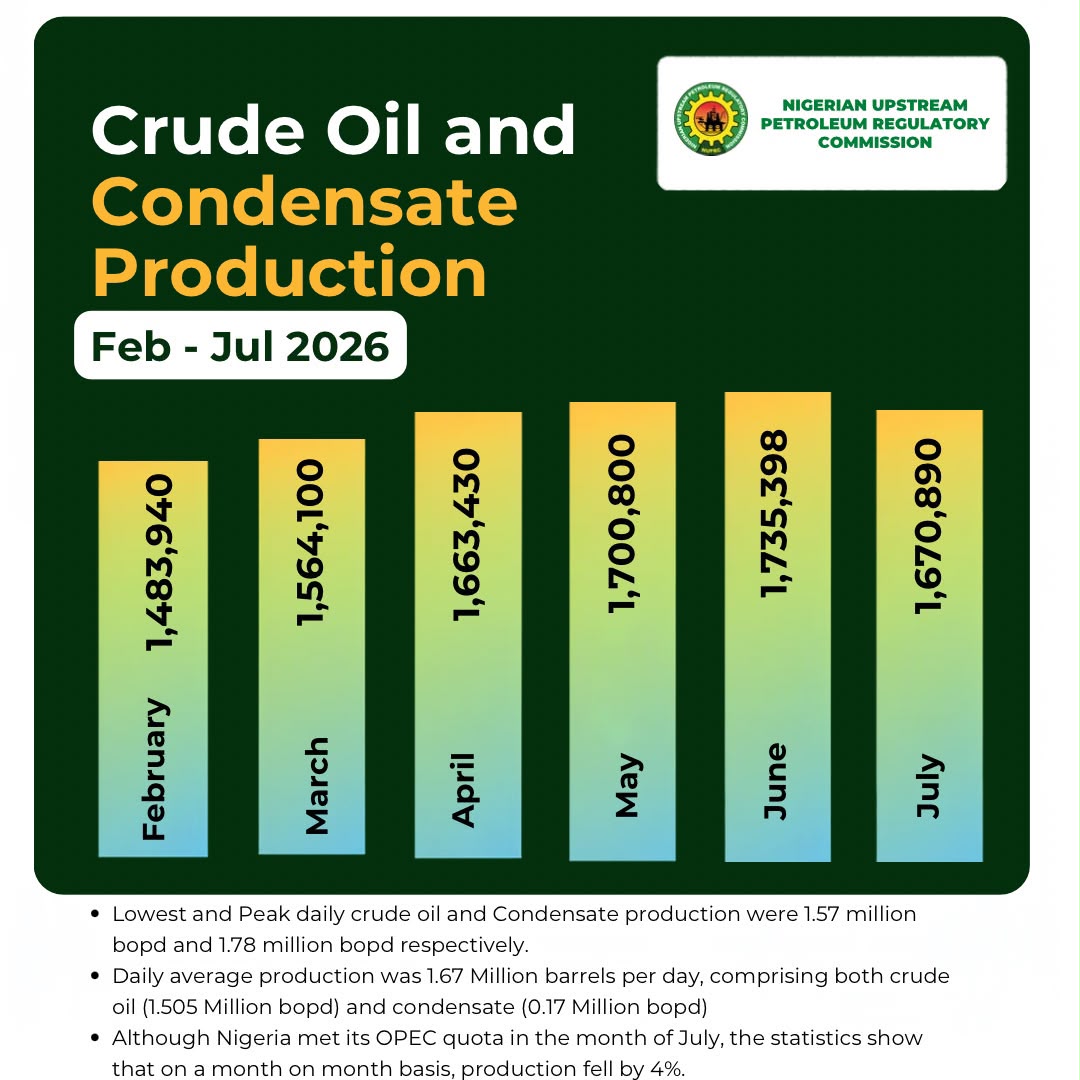
He disclosed that Nigeria currently produces about 1.7 million barrels per day of crude oil and condensate, with deep offshore operations accounting for 24 per cent of total oil production and 19 per cent of gas production.
According to Amadasu, Nigeria has already produced more than 4.6 billion barrels from its deep offshore assets, describing the achievement as equivalent to about 5,000 tanker cargoes. He noted that the new policy framework would create greater opportunities for investment and production growth in the sector.
He explained that several Field Development Plans (FDPs) worth billions of dollars had already received NUPRC approval and expressed confidence that the executive order would encourage international oil companies to take quicker Final Investment Decisions (FIDs).
Amadasu highlighted the $10 billion Bonga South project, expected to commence production in 2027, as one of the key developments that would contribute to the anticipated production increase. He said nine projects with approved FDPs are expected to move toward FIDs in the near to medium term, potentially adding almost one million barrels per day within the next four to five years.
Beyond oil and gas production, the NUPRC executive commissioner said the executive order would stimulate growth in related sectors, particularly the marine and logistics industries, which would need to expand capacity to support the expected increase in offshore activities.
He added that the policy is designed to position Nigeria as a regional hub for deep offshore projects while also delivering benefits such as increased hydrocarbon reserves, technology and skills transfer, and job creation.











