





G‑24: Nigeria targets $1bn monthly capital inflow soon,…..as remittance hit $600m

G‑24: Nigeria targets $1bn monthly capital inflow soon,…..as remittance hit $600m

By Onu Okorie
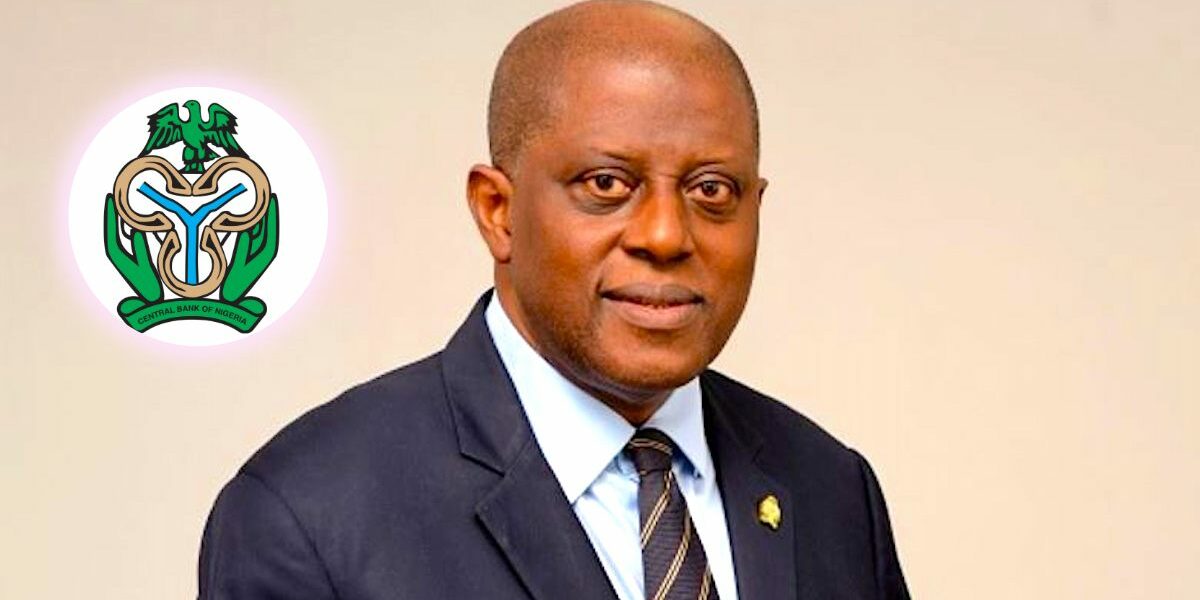
The Governor of Central Bank of Nigeria CBN Mr. Olayemi Cardoso has said that as a result of the reforms introduced in the payment system the remittance inflows now average about $600 million per month, and would be reaching a $1 billion monthly milestone in the near term.
According to him, “beyond regulation, we have engaged globally, through platforms like the Strategic Fintech Dialogue at the 2025 IMF annual Meetings, to ensure Nigeria contributes to shaping emerging global standards.
“The results are already evident: Digital financial reforms have supported millions of new entrants into Nigeria’s formal financial system, strengthened confidence, and improved market integrity.”
“Extending these gains across borders represents the next frontier for inclusive growth, provided it is underpinned by robust regulation and strong institutions.
Beyond efficiency gains, digital cross border payments are reshaping global finance itself.”
He explained that the enabling local currency settlement in cross border trade New channels for South South financial integration Reduced dependence on a limited set of reserve currencies; and More efficient transmission of global and regional capital flows.Experiments such as Bridge, Dunbar, and other multi‑CBDC platforms show the growing potential for real‑time, local‑currency settlement among central banks.
These innovations are especially relevant for G‑24 countries seeking a more balanced, inclusive global payments architecture.Africa’s experience with the Pan‑African Payment and Settlement System PAPSS offers a powerful lesson for the G‑24 in building modern, inclusive payment systems.
PAPSS demonstrates how developing regions can create home‑grown, interoperable infrastructure that reduces reliance on external correspondent banks, lowers settlement costs, and enables instant local‑currency cross‑border payments. It is already deepening regional value chains, supporting MSMEs under the AfCFTA, and strengthening macro‑financial resilience through wider use of local currencies.
“However, we must be clear eyed: The opportunities of digital payments come with equally significant risks. The expansion of private digital payment platforms and stable coins raises concerns about: Currency substitution and weakened monetary transmission; Increased FX volatility and capital flow pressures. Systemic importance of non-bank payment providers; Regulatory arbitrage and fragmentation.
He said that without coordination, digital cross-border payments risk becoming fragmented across jurisdictions, entrenching dominant currencies and platforms, reducing interoperability, increasing costs and undermining the ability of Emerging Market and Developing Economies (EMDEs) to safeguard monetary sovereignty.
He explained that within the G‑24 countries, many with shallow markets and capacity constraints, face amplified vulnerabilities. “This is why the digital transition must be carefully sequenced and well‑regulated.Central banks sit at the heart of this agenda.” He stated.
According to him, “our responsibilities include: Safeguarding monetary and financial stability Modernizing payment and settlement systems Operators of critical financial market infrastructure; and Anchors of trust and stability In the G‑24 context, central banks must also help drive job‑rich growth, productive investment, and real‑sector transformation. This requires policy coherence across monetary, fiscal, and financial reforms, echoing the G‑24’s emphasis on integrated, scalable solutions to development challenges.”
The CBN Boss said that G‑24 has long advocated for a more inclusive global financial architecture and the Bretton Woods @ 80, offers an opportunity to re-anchor payments reform within a cooperative, rules-based international monetary system, – one in which developing countries help shape emerging standards rather than merely adapt to them.
And success should be measured not only by speed and cost reductions, but by: Preservation of monetary and financial stability Inclusion of EMDEs in governance and rule-setting; and Resilience of payment systems to shocks Distinguished colleagues, Digital cross-border payments can become a public good and help rebalance global finance and development, if central banks shape the architecture rather than adapt to it.
“The task before us is clear: To shape the future of global finance, rather than be shaped by it.Nigeria is honoured to host this important meeting, and the Central Bank of Nigeria remains committed to working with fellow G24 members, the IMF, the World Bank Group, and other partners to build a financial system that is more inclusive, more resilient, and more development oriented.” He said.











