





Africa spends $120bn annually on hydrocarbon capital outflow, says Lokpobiri

Africa spends $120bn annually on hydrocarbon capital outflow, says Lokpobiri

By Onu Okorie
The Nigeria’s Minister of state for petroleum resources oil, Senator Heineken Lokpobiri says that Africa currently spends over $120 billion annually on hydrocarbons alone, which implies a staggering outflow of capital.
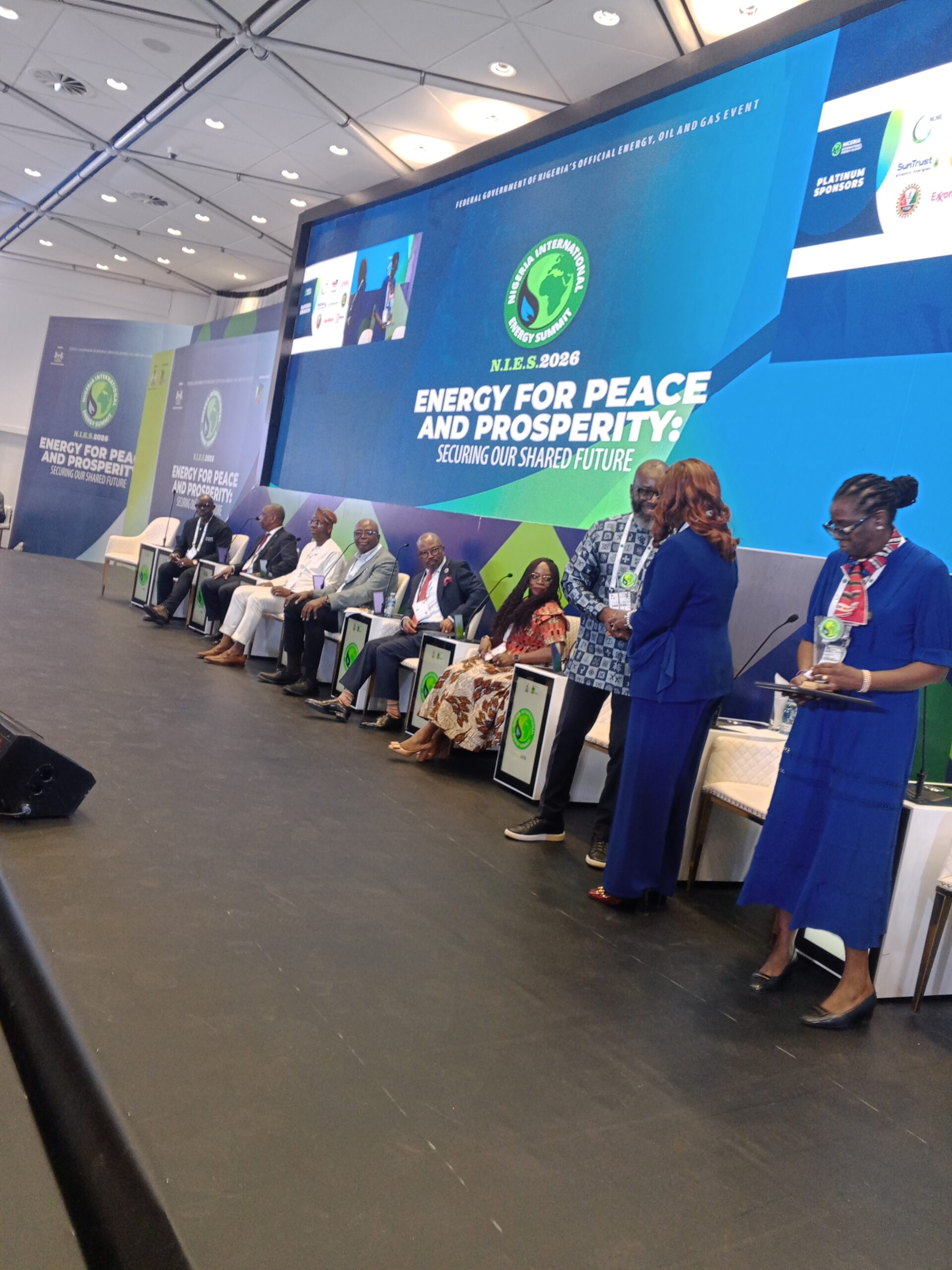
The Minister who stated this in his opening address yesterday in Abuja during the ongoing Nigeria International Energy Summit NIES added that the level of expenditure, primarily on the importation of refined petroleum products and other hydrocarbon-related services, represents not just a financial cost, but a lost opportunity for economic transformation.
“The core idea is this: if Africa can retain a proportion of that spending within the continent through localized value addition, infrastructure development, and industrial participation, the economic impact would be transformative.”
“That is why we should support the African Energy Bank AEB with its headquarters in Nigeria. If we do not mobilize the appropriate resources to solve the energy problems in Africa the misery will increase as population grows, the responsibility is ours and ours alone. As host country we have fulfilled our obligations, the ball is in the court of the promoters to set the ball rolling.”
Lokpobiri explained that the demand for a shift is not merely about energy self-sufficiency, it is about economic sovereignty, industrialization, and inclusive growth. “Retaining hydrocarbon value in Africa means creating the fiscal space and investment capacity needed to power critical sectors such as healthcare, education, infrastructure, security and technology.” He said.
He advocated that the key focus should be around the energy trilemma of availability, accessibility and affordability of all forms of energy. According to him, “No country in the world is abandoning oil and gas, and you can be rest assured that Nigeria will not either.”
“This is more so in the face of new realities that we find in reports, such as the International Energy Agency (IEA) world outlook 2025, OPEC world outlook 2025 and several other reports on global energy which shows that the world is moving from conversations around transition to conversation around energy mix.”
“Both reports posit that in the foreseeable future, fossil fuels will be the dominant energy source globally. This gathering is more than a conference, it is a call to action: to make energy poverty a chapter of our past, and to forge an environment where business doesn’t just survive in Africa, but thrives.I want to talk first about Nigeria; our successes, our renewed readiness, the reforms we have implemented, and then put that in the context of Africa, because our fortunes are tied together.”











