





CNG Programme: 113 stations, 273,000 vehicle target put infrastructure in focus

By Onu Okorie
Nigeria’s ambition to expand the adoption of Compressed Natural Gas (CNG) vehicles is facing a critical infrastructure test, with the Federal Government’s target of 273,000 converted vehicles by February 2027 raising fresh concerns about the capacity of gas supply and refuelling networks to support the projected growth.
Although the Presidential Initiative on Compressed Natural Gas and Electric Vehicles (Pi-CNG & EV) is targeting an additional 130,000 vehicle conversions within five months, officials say inadequate financing, limited infrastructure and uncertainties surrounding private-sector participation could slow implementation.
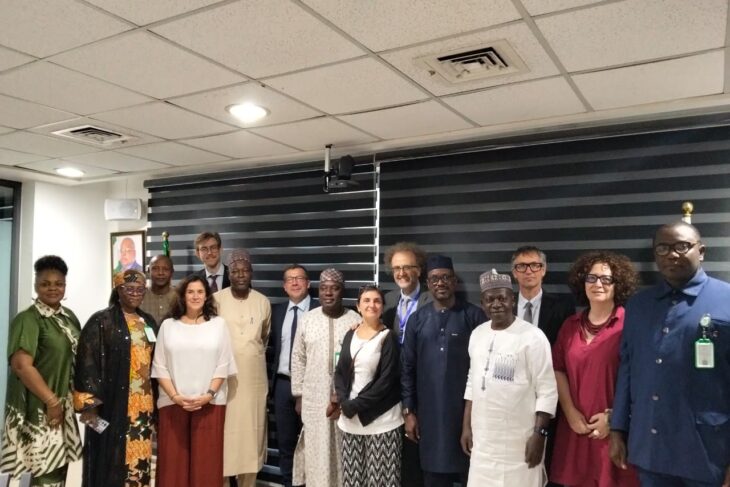
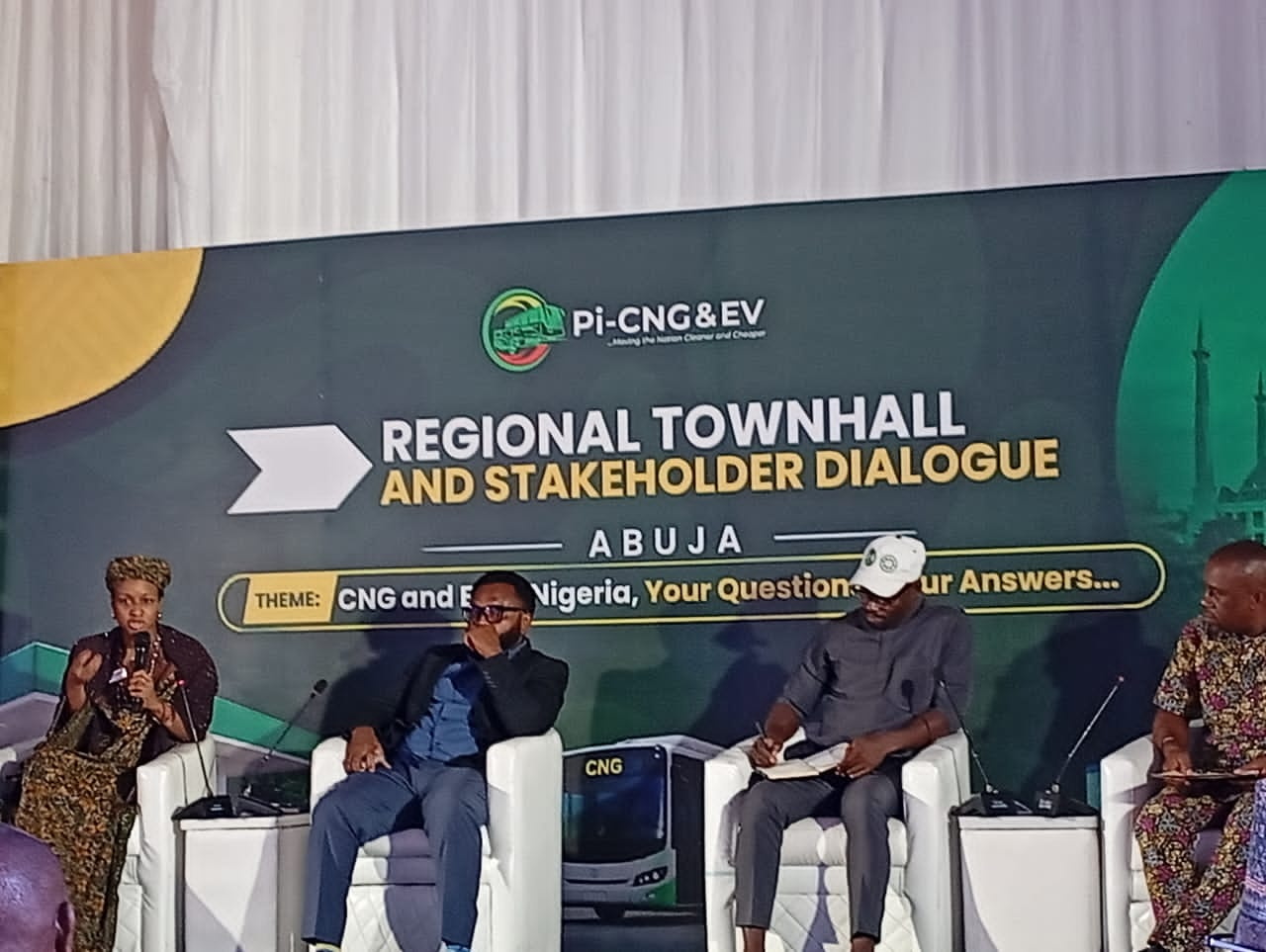
The initiative’s Head of Gas Supply and Integration, Engr. Tare Mayor Bright, disclosed this at a regional townhall and stakeholder dialogue in Abuja on Monday, where he emphasised that expanding vehicle conversions without securing dependable gas supply could undermine the programme.
According to figures presented at the meeting, Nigeria had approximately 143,000 CNG-powered vehicles as of the third quarter of 2026, up from about 11,500 in 2023.
To reach the February 2027 target, the programme expects to convert another 130,000 vehicles, with its in-house interventions accounting for approximately 82,000, while private-sector operators and state governments are expected to contribute the remaining 48,000.
However, Bright identified financing constraints as a major obstacle, particularly for conversions beyond the programme’s existing capacity of approximately 80,000 vehicles.
He also expressed concerns about the initiative’s limited ability to monitor and influence private-sector conversions, warning that election-related activities could disrupt implementation and affect the delivery timeline.
The concerns come against the backdrop of growing investments in Nigeria’s alternative-fuel transportation market, which has recorded significant expansion in conversion facilities and refuelling infrastructure.
The number of CNG conversion centres has increased from approximately seven to 415, while cumulative investment in the programme is estimated at $2.6 billion.
Despite the growth, Nigeria currently has only 113 operational CNG refuelling stations managed by 24 operators, highlighting the infrastructure demands associated with expanding the country’s gas-powered vehicle population.
Abuja accounts for 18 operational stations, Lagos has 21, while Greater Lagos has 31.
An additional 127 daughter stations are in the pipeline across 31 states and territories, including 50 being developed by Greenville LNG. However, the proposed facilities are yet to be commissioned.
For the initiative, the challenge is no longer limited to encouraging Nigerians to convert their vehicles but ensuring that motorists can conveniently access gas after completing the conversion process.
To address the supply challenge, Bright outlined a gas supply framework involving Pi-CNG & EV, the Gas Aggregation Company Nigeria (GACN), the Nigerian Midstream and Downstream Petroleum Regulatory Authority (NMDPRA) and portfolio managers.
The arrangement provides for supplier onboarding, contractual agreements, invoicing, payments, monitoring and clearly defined responsibilities among participating stakeholders.
He disclosed that an upstream gas supply agreement for 20 million standard cubic feet per day (MMscfd) was executed in February 2025 between NGML, GACN and NEPL.
A second agreement for 10 MMscfd was executed and operationalised in May 2026 between NGML, GACN and CNL.
The initiative also introduced a third-party validator and additional validation mechanisms in September 2025 to strengthen monitoring during the period of concessionary pricing.
Bright said stakeholder engagements were continuing in November 2026 to align gas allocation and nomination protocols and ensure that supply arrangements reflected established demand.
The framework also incorporates the NGVMS tracking system to validate demand and prevent arbitrage and diversion of gas supplied under the programme.
Beyond the immediate supply concerns, the initiative is banking on the Federal Government’s deployment of 100,000 conversion kits, the National Auto-Gas Conversion Programme across all states and increased private-sector investment to accelerate adoption.
Expansion into the South-East and South-South regions is also expected to contribute to the projected increase.
Meanwhile, the Executive Chairman of Pi-CNG & EV, Barrister Ismaeel Ahmed, said inadequate infrastructure, conversion costs, safety concerns and public confidence remained significant barriers to the adoption of alternative fuels.
Ahmed argued that Nigerians were not necessarily resistant to moving away from petrol and diesel but needed assurances that alternative energy sources would be readily available, reliable and economically beneficial.
He noted that commercial drivers would not abandon petrol-powered vehicles simply because CNG was presented as a cheaper alternative without confidence in refuelling availability, conversion time, vehicle reliability, maintenance requirements and actual cost savings.
According to him, similar concerns affect electric vehicle adoption, particularly the availability of charging infrastructure, vehicle range, maintenance costs and overall cost of ownership.
The chairman stressed that the success of the initiative should be measured by the practical benefits delivered to Nigerians rather than government investments and infrastructure announcements.
“Progress on paper is not always the same as progress experienced by the average Nigerian, and that distinction is important,” he said.
Ahmed recalled that the initiative emerged following the removal of petrol subsidy, with a mandate to harness Nigeria’s natural gas resources, reduce transportation costs, attract investment and develop a cleaner and more competitive transportation system.
He urged investors, operators, regulators and consumers to identify implementation gaps and develop practical solutions to accelerate the transition.
The initiative has also identified the need to secure gas supply ahead of vehicle conversions, develop refuelling networks around commercial fleets and major transportation corridors, and ensure that government incentives eventually give way to commercially sustainable investments.
While CNG remains central to the programme’s immediate expansion strategy, electric mobility is expected to complement rather than displace gas-powered transportation as Nigeria seeks to diversify its transport energy sources.
Beyond the February 2027 target, Pi-CNG & EV is pursuing an ambitious long-term expansion plan that includes 500,000 cumulative CNG vehicles by its second year and one million over the programme’s lifetime.
Other targets include establishing 2,500 refuelling stations, developing 2,000 accredited conversion centres, training 11,000 technicians and retrofitting 350,000 diesel-powered trucks.
However, achieving these objectives will depend on the ability of government and private-sector investors to close existing infrastructure gaps, mobilise sustainable financing and guarantee reliable gas supply.
With the country’s CNG vehicle population projected to approach 273,000 within months, the sustainability of the programme will increasingly depend on whether infrastructure development can keep pace with conversion rates.
For millions of Nigerians expected to embrace alternative-fuel transportation, the ultimate measure of success will not simply be how many vehicles are converted but whether affordable fuel is consistently available when and where they need it.