


Power Ministry, Customs move to recover 300 containers of abandoned electricity equipment at ports

Power Ministry, Customs move to recover 300 containers of abandoned electricity equipment at ports

By Onu Okorie
Government targets stalled transmission projects, as 98 containers of transformers, cables and switchgear are released after 20 years
The Federal Government has moved to address one of the longstanding obstacles to improving electricity supply in Nigeria, with the Ministry of Power and the Nigeria Customs Service (NCS) collaborating to recover more than 300 containers of transmission equipment that have remained trapped at the nation’s ports for periods of up to 20 years.
The recovery initiative, spearheaded by the Minister of Power, Joseph Tegbe, and the Comptroller-General of Customs, Bashir Adeniyi, has already secured the release of 98 containers, raising hopes of reviving stalled transmission projects and easing pressure on the country’s overstretched electricity infrastructure.
The development represents a significant intervention in the power sector, particularly as Nigeria continues to grapple with transmission constraints, overloaded substations and inadequate capacity to evacuate available electricity to distribution networks.
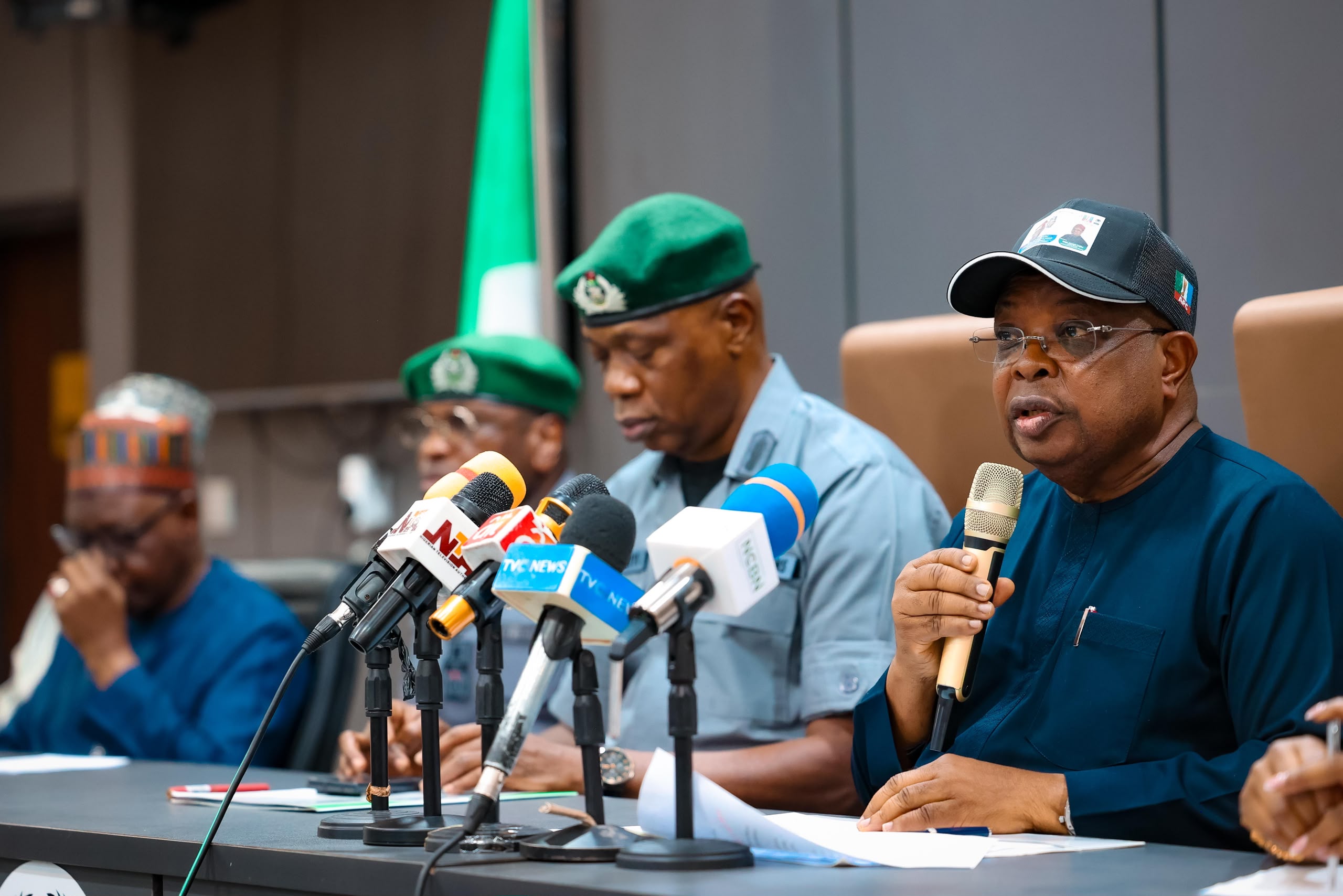
Speaking at a media briefing in Lagos, Tegbe disclosed that 44 containers had been released from ENL Terminal, while another 54 were recovered from APMT and Sun & Moon Terminals.
The containers, part of a consignment of more than 300, contain critical electricity infrastructure, including high-capacity transformers, cables and switchgear originally procured to expand the national transmission network and address bottlenecks in existing substations.
Their prolonged detention at the ports had not only delayed critical infrastructure projects but also left valuable public assets exposed to deterioration while accumulating substantial port charges.
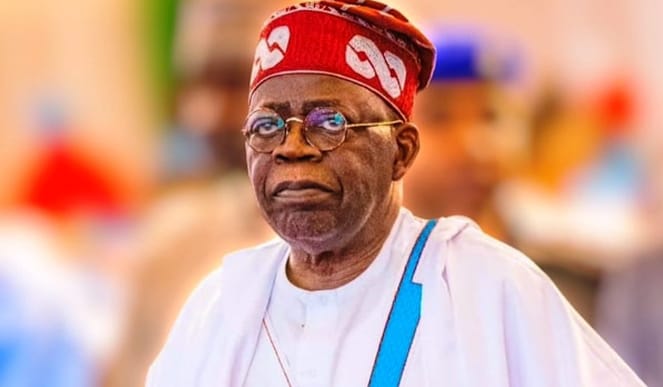
The intervention followed a directive by President Bola Ahmed Tinubu for the immediate clearance of the equipment, prompting the Ministry of Power and the Customs Service to intensify engagements with relevant government agencies and port operators to remove the administrative and financial obstacles preventing their release.
Beyond the immediate recovery of the equipment, the development has also brought the operational relationship between the Ministry of Power and the Nigeria Customs Service into focus, highlighting the importance of inter-agency coordination in delivering critical national infrastructure.
Speaking at the event, Adeniyi said the Customs Service had commenced processes to facilitate the release of the containers in line with the President’s directive.
He explained that the Service was working with the Ministry of Power, Nigerian Ports Authority and terminal operators to resolve outstanding charges and administrative bottlenecks that had kept the equipment stranded.
The Customs boss pledged the Service’s continued cooperation with the Power Ministry until all the containers were evacuated, while appealing to terminal operators to support the government’s efforts to recover the critical national assets.
Tegbe, who acknowledged the contributions of the President, Ministers of Finance and Marine and Blue Economy, the Comptroller-General of Customs and officials of the Ministry and its agencies, said the recovery would help restore momentum to transmission projects that had suffered prolonged delays.
An inspection of the recovered equipment showed that most of the items remained useful and viable, despite the years spent at the ports.
The Ministry plans to evacuate the equipment for verification, testing and necessary refurbishment before deploying them to designated project sites.
The immediate priority is to complete installations that have been stalled, strengthen constrained transmission corridors and provide additional capacity to substations operating under significant pressure.
For electricity consumers, the anticipated benefits include improved voltage stability, fewer outages associated with network overloading and a more reliable transmission system capable of supporting households, businesses and essential public services.
The development also exposes the economic consequences of prolonged administrative delays in the execution of public infrastructure projects.
For nearly two decades, equipment purchased to improve electricity delivery remained unavailable for its intended purpose, while the country continued to contend with transmission limitations and consumers incurred additional expenses on alternative sources of electricity.
Businesses have had to contend with rising operating costs associated with generators, while households and public institutions continue to bear the consequences of unreliable electricity supply.
The recovery therefore presents an opportunity for the government to convert previously stranded public investments into productive infrastructure without necessarily having to procure entirely new equipment for the affected projects.
However, the success of the initiative will ultimately depend on how quickly the recovered assets are evacuated, tested, refurbished where necessary and installed.
Tegbe assured Nigerians that the Ministry would monitor the process beyond the release of the containers to ensure that the equipment reaches project sites and is eventually commissioned for use.
He also expressed confidence that the remaining containers would be released without further delay.
The latest intervention underscores the strategic importance of cooperation between the Ministry of Power and the Nigeria Customs Service, particularly in addressing non-technical barriers that can undermine infrastructure delivery.
It also raises broader questions about port administration, the management of government-owned cargoes and the need for stronger coordination among public institutions to prevent critical national assets from becoming stranded for years.
For the Tinubu administration, the challenge now is to ensure that the recovery of the equipment translates into measurable improvements in electricity transmission rather than becoming another milestone limited to announcements and official ceremonies.
The government has secured the first breakthrough with the release of 98 containers. The next test will be turning the recovered equipment into operational infrastructure capable of improving electricity supply across the country.