


CBN moves to ease Nigeria-China payment bottlenecks, deepen banking links

CBN moves to ease Nigeria-China payment bottlenecks, deepen banking links

By Onu Okorie
Central Bank of Nigeria (CBN) has opened discussions with Nigerian and Chinese businesses on measures to remove cross-border payment bottlenecks and strengthen banking links between Africa’s largest economy and China.
The move could pave the way for more efficient settlement of transactions, increased investment flows and a stronger presence of Nigerian banks in China as trade and financial relations between the two countries expand.
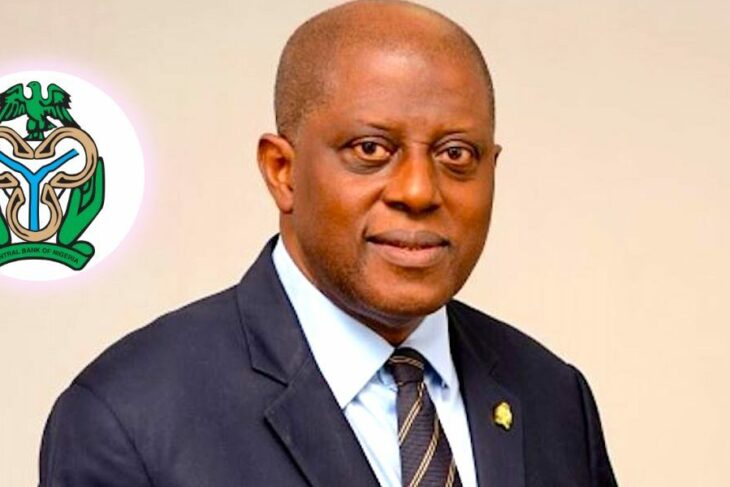
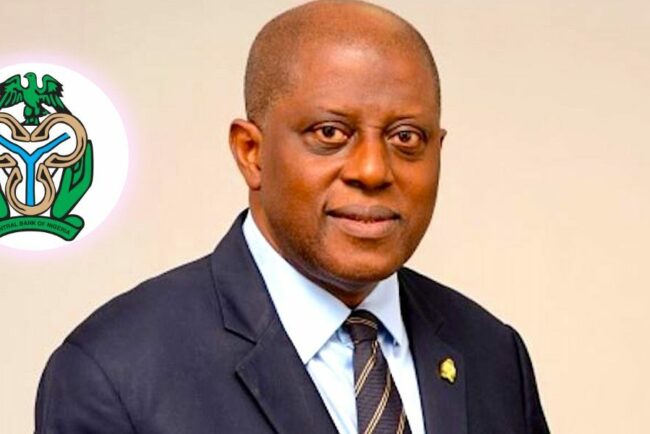
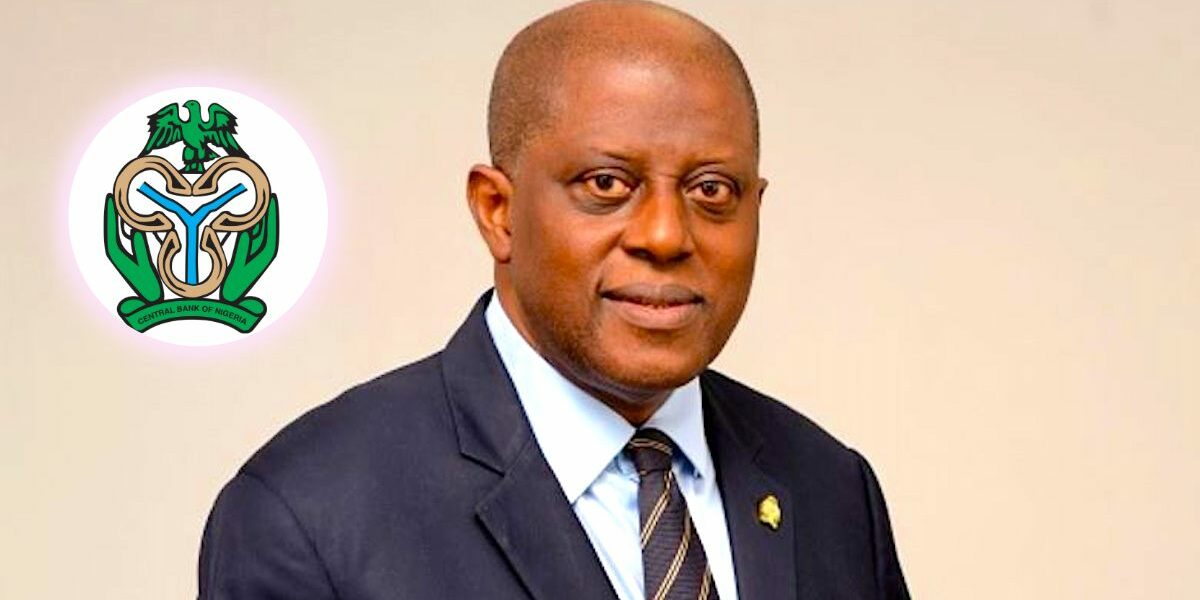
CBN Governor, Olayemi Cardoso, led the engagement at a high-level business and financial roundtable held in Beijing on Wednesday, where businesses identified payment difficulties and limited banking connectivity as some of the practical constraints to stronger financial flows between Nigeria and China.
The roundtable, themed “Strengthening the Nigeria–China Financial Corridor,” brought together Nigerian and Chinese business leaders at the Pan Pacific Beijing to examine ways of deepening financial markets and improving access to investment opportunities.
A major issue emerging from the meeting was the need to develop more efficient cross-border payment arrangements capable of supporting businesses operating between the two economies.
Participants also canvassed stronger relationships between financial institutions in both countries and a larger Nigerian banking presence in China to make transactions easier for businesses and investors.
Cardoso said direct engagement with businesses was important to enable the apex bank to understand the obstacles affecting financial transactions between Nigeria and China and identify areas requiring regulatory or institutional attention.
According to him, feedback from businesses could also help efforts to build deeper and more accessible Nigerian financial markets.
The CBN Deputy Governor for Economic Policy, Philip Ikeazor, who delivered the opening remarks, said attention must now turn towards translating Nigeria’s improving macroeconomic fundamentals into increased investment and deeper financial markets.
Nigeria’s Ambassador to China, Lt. Gen. Abdulrahman Bello Dambazau (rtd), also addressed the gathering.
Other speakers included the Chairperson of Blue Diamond Group, Festus Mbisiogu, and the Chairperson of CIG Motors, Chief Diana Chen, who provided perspectives from companies operating along the Nigeria-China business corridor.
The meeting featured an interactive listening session during which participants outlined their experiences conducting transactions between the two countries.
Beyond payments and banking connectivity, discussions examined how financial flows could be increased and how investors and businesses could gain improved access to financial services and investment opportunities in Nigeria.
The apex bank also used the meeting to present Nigeria’s economic reform progress, improving macroeconomic fundamentals and emerging opportunities in the country’s financial markets.
Cardoso, in his closing remarks, said the CBN would seek to translate the concerns raised by stakeholders into a clearer understanding of the financial and institutional constraints requiring attention.
The feedback is expected to guide further discussions between the CBN, financial institutions and relevant regulatory authorities on practical areas of cooperation within the Bank’s mandate.
The Beijing meeting forms part of a broader CBN push to strengthen Nigeria’s financial relationships with Asian economies.
Following engagements in Singapore and at the IMF/World Bank Annual Meetings in Bangkok, the CBN’s China programme includes bilateral discussions with the People’s Bank of China as well as engagements with the leadership of the Industrial and Commercial Bank of China (ICBC).
The Bank is also expected to take the engagement to Guangzhou, where it will meet members of the Nigerian business community to identify financial challenges, examine ways of improving remittance channels and explore measures capable of facilitating investment into Nigeria.
The China engagements signal a shift from merely promoting bilateral trade towards building the financial infrastructure required to support investment, payments and capital flows between the two economies.