





Nigeria heads to IMF, World Bank meetings with reform-to-growth challenge

Nigeria heads to IMF, World Bank meetings with reform-to-growth challenge

By Onu Okorie
Nigeria will head into this week’s International Monetary Fund (IMF) and World Bank Group Annual Meetings with the challenge of shifting the focus of its economic reforms from stabilisation measures to investment, productive growth and job creation.
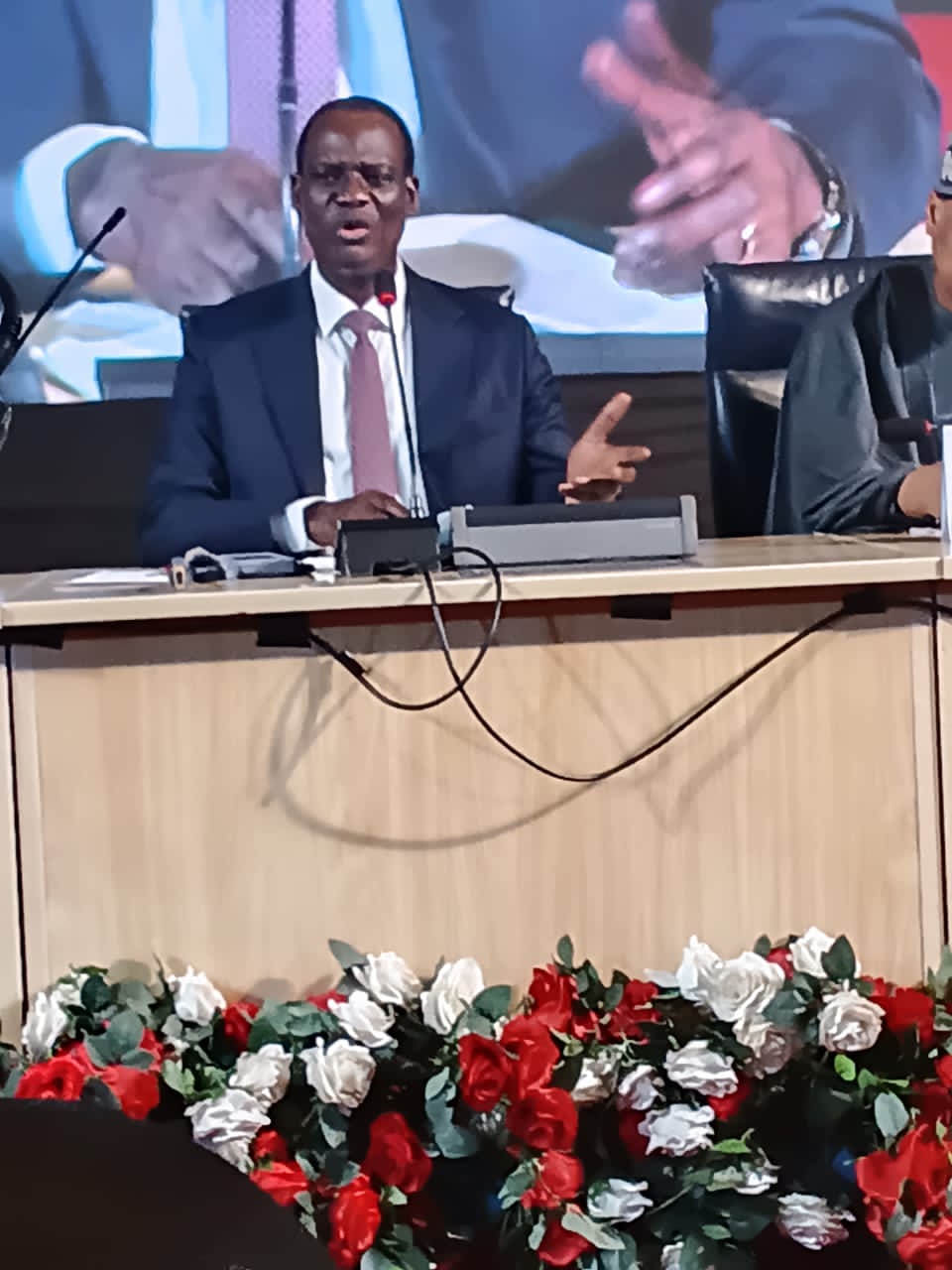
The Minister of Finance and Coordinating Minister of the Economy, Taiwo Oyedele, arrived in Bangkok, Thailand, ahead of the 2026 Annual Meetings, where he is expected to lead Nigeria’s delegation.
The meetings, scheduled for October 12 to 18, will bring together finance ministers, central bank governors, development partners and other global economic decision-makers to deliberate on the outlook for the world economy, development financing and strategies for sustainable growth.
But for Nigeria, the gathering provides another platform to make the case that the next phase of the country’s economic programme must deliver measurable gains in investment, businesses and employment.
The Federal Government has been implementing reforms aimed at restoring macroeconomic stability and creating a more sustainable framework for economic growth.
Attention is increasingly shifting to whether improvements in key macroeconomic indicators can translate into stronger productive activity and better economic conditions for businesses and households.
Against this backdrop, Oyedele is expected to use engagements in Bangkok to deepen discussions with international financial institutions and development partners on Nigeria’s financing and investment priorities.
The meetings could also provide an opportunity for the Nigerian delegation to seek stronger development financing for infrastructure and other productive sectors capable of supporting private-sector expansion and employment.
Nigeria’s participation comes at a time when developing economies are seeking greater access to affordable long-term financing amid fiscal pressures and competing demands for public resources.
The government will therefore be under pressure to demonstrate to investors and development partners that its reform programme is moving beyond difficult adjustments towards an economic environment capable of attracting capital and expanding domestic production.
Oyedele’s engagements are also expected to provide a platform for discussions on Nigeria’s position in the global economy and the role international development institutions can play in supporting the country’s growth priorities.
The Annual Meetings traditionally provide governments with opportunities for bilateral discussions with multilateral institutions, development agencies, investors and other countries outside the main conference sessions.
In a statement on Sunday, Head of Information and Public Relations Unit, Efe Ovuakporie, said further details of the minister’s engagements and Nigeria’s participation would be communicated as the meetings progress.
The outcome of those engagements will be closely watched for indications of new financing, investment commitments and development partnerships—and, more importantly, how such commitments could support Nigeria’s transition from macroeconomic stabilisation to stronger production, business expansion and jobs.











