





YKAF mobilises families, religious leaders against mental health stigma

YKAF mobilises families, religious leaders against mental health stigma
By Onu Okorie

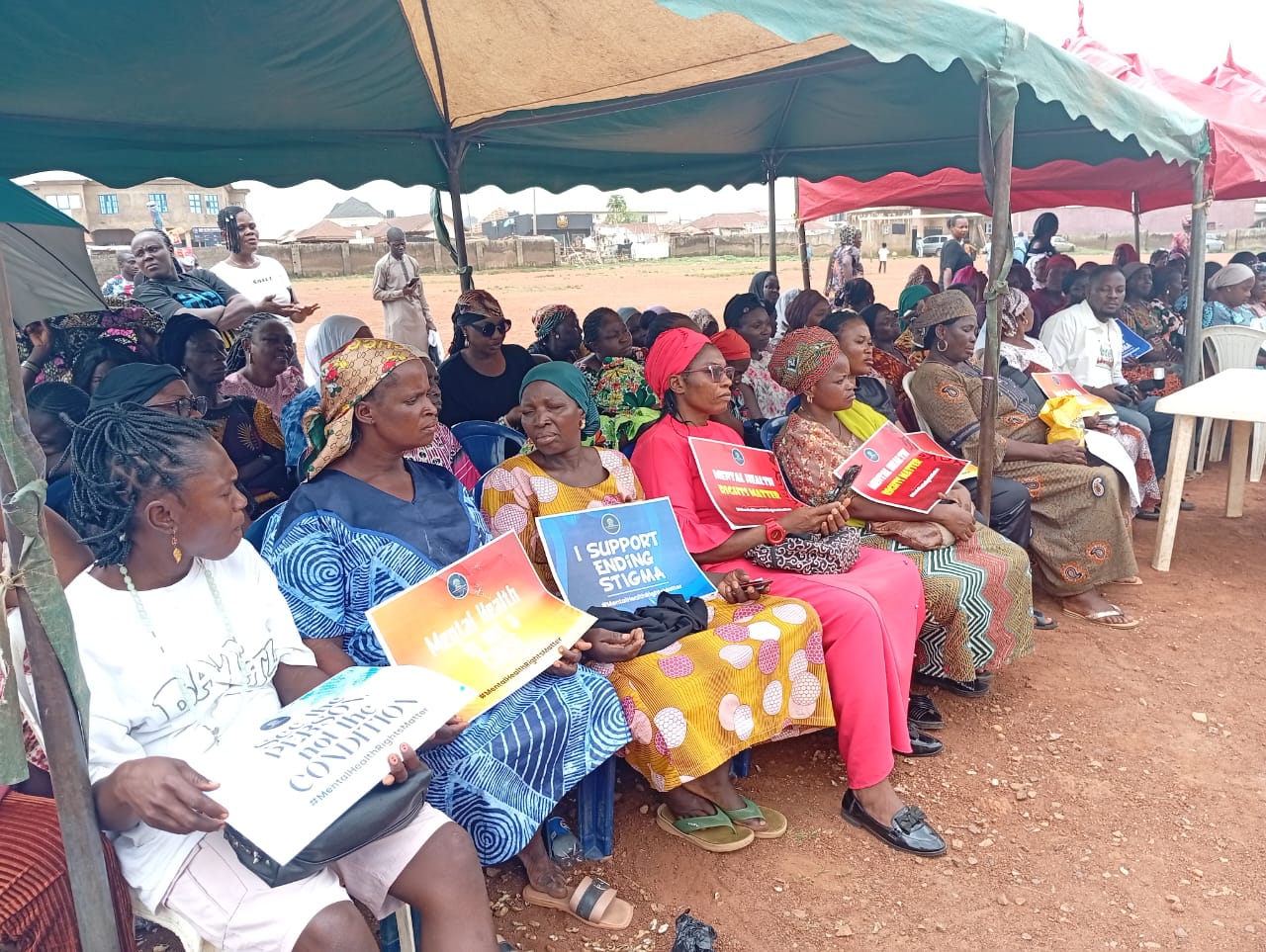
Hundreds of women across communities in the Federal Capital Territory FCT, Abuja, have been sensitised on the need to recognise mental health challenges, support affected persons and eliminate discrimination against people living with psychosocial disabilities.
The campaign, organised by the Yamban-Kabati African Foundation, YKAF in Jikwoyi to commemorate World Mental Health Day, underscored the critical role of families, religious institutions and traditional authorities in identifying mental health concerns and ensuring that affected persons receive understanding rather than rejection.
The initiative comes amid efforts to address misconceptions surrounding mental health at the grassroots, where limited awareness and stigmatisation can discourage people from discussing their experiences or seeking appropriate care.
Speaking at the community dialogue, the Founder and Executive Director of YKAF, Ms. Kabati Ishaya, said the campaign was designed to bridge the mental health awareness gap by providing residents with practical information and creating a platform for people to share their experiences.
She said mental health was an essential component of overall well-being but was often neglected, as many people concentrated on their physical health without paying adequate attention to their psychological condition.
According to her, mental health challenges can develop gradually and affect an individual’s ability to function effectively at school, at work and within family and social relationships.
Ishaya urged residents to pay attention to prolonged stress, social withdrawal and loss of interest in previously enjoyed activities, stressing the importance of recognising when someone might need support.
She also encouraged individuals experiencing emotional difficulties to seek help, get adequate rest and avoid isolating themselves from family members and friends.
The foundation’s executive director particularly called on families to be attentive to changes in the behaviour of their loved ones, urging them to respond with compassion instead of hostility, blame or discrimination.
She stressed that people experiencing mental health challenges should have the freedom to discuss their conditions without fear of being judged or excluded from their communities.
Ishaya further urged those undergoing treatment to remain hopeful and continue seeking appropriate care, noting that mental health conditions should not prevent people from pursuing their aspirations or participating meaningfully in society.
The campaign was implemented under the Rights in Action (RiA) Project, funded by the Ministry for Foreign Affairs of Finland, with technical support from CBM Global Disability Inclusion, in partnership with the Joint National Association of Persons with Disabilities (JONAPWD) and the Inclusive Friends Association (IFA).
Participants included women associations from Jikwoyi Phases 1, 2 and 3, Dagbana, Angwa Fulani, Kugbo 1 and 2, Nyanya and Gwagwalada, alongside traditional rulers, religious leaders and other community stakeholders.
The Councillor representing Karu Ward in the FCT, Godwin Aminu Yeminya, represented by his personal aide, Comrade Bassey Pater, commended the foundation for bringing mental health education closer to residents.
Yeminya urged participants to apply the knowledge gained during the engagement and share the information within their families and communities to deepen public understanding of mental health issues.
He described the initiative as timely, calling for sustained engagement to ensure that mental health awareness extended beyond commemorative events.
Religious and traditional leaders also called for stronger community support systems to help people experiencing psychological difficulties overcome isolation and access assistance.
The Imam of Jikwoyi Phase 2 Yoruba Mosque, Imam Abdulrazaq Abduraheem; Pastor Odiba Gideon of ECWA Gospel Church, Jikwoyi Phase 3; and the Village Head of Dagbadnape, Chief Gambo Anyidakwo, urged residents to seek guidance from trusted people when confronted with personal challenges.
They also encouraged families to provide emotional support to relatives going through difficult periods, while emphasising the importance of early identification of health problems and seeking appropriate assistance.
The speakers urged community members to look out for their neighbours and avoid remarks or actions that could worsen the isolation of people living with psychosocial disabilities.
With the theme, “Lived Experiences Heard: Real Voices, Real Change,” the dialogue highlighted the importance of incorporating the experiences and perspectives of people living with mental health conditions into policies, programmes and community interventions affecting their lives.
The organisers said promoting mental health inclusion required collective action, sustained awareness and respect for the rights and dignity of affected persons.
The initiative forms part of broader efforts under the Rights in Action Project to challenge misconceptions, address discrimination and strengthen the participation of persons with psychosocial disabilities in their communities.











