





TCN’s innovative analytics platform signals new era in power sector

TCN’s innovative analytics platform signals new era in power sector

By Onu Okorie
Nigeria’s quest for a more stable and efficient electricity grid may be taking a significant step forward as the Transmission Company of Nigeria TCN moves to replace fragmented, manual outage reporting with a home-grown digital analytics platform designed to improve the monitoring and management of the national transmission network.
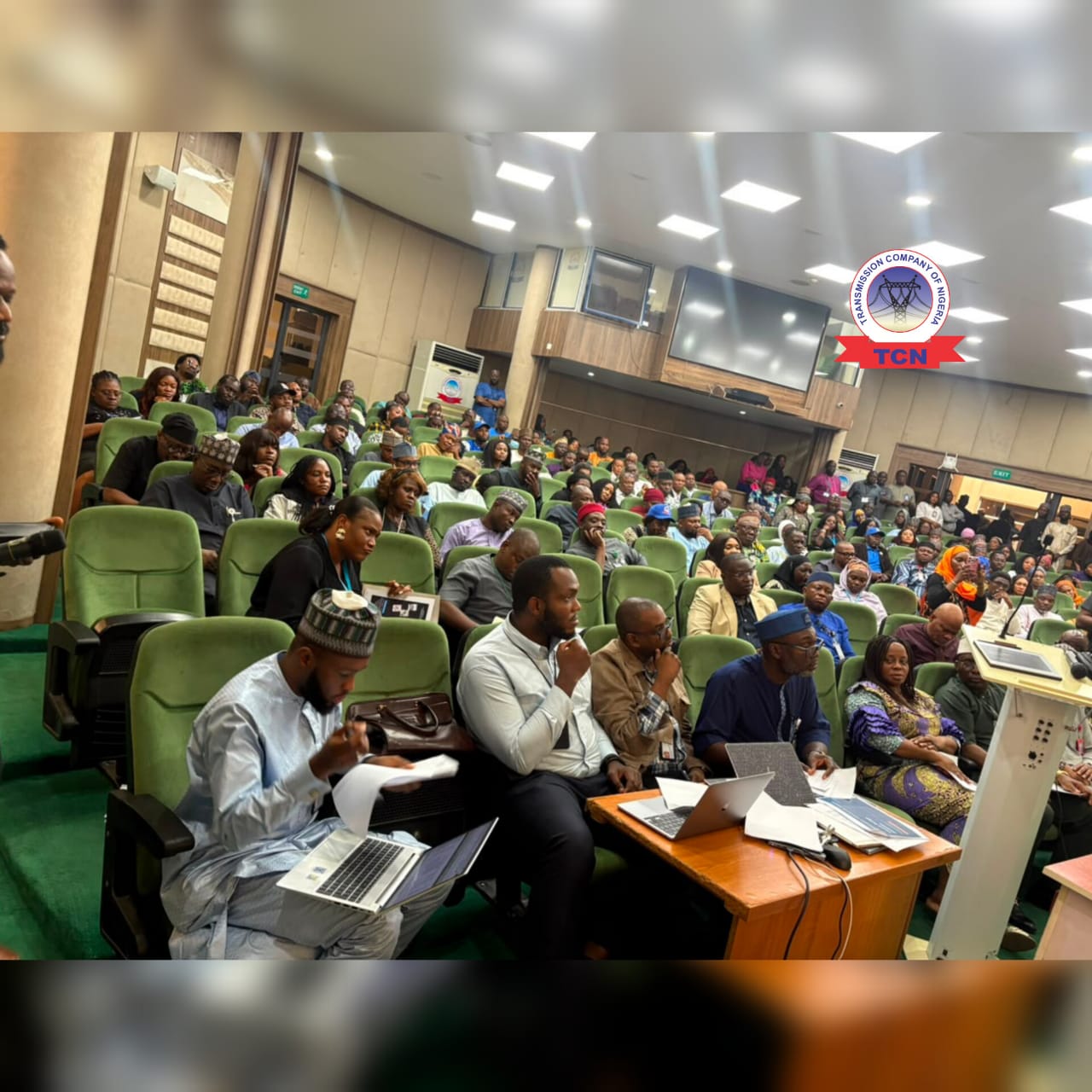
The new Load and Outage Analytics platform, developed by TCN’s Operations Department, was presented and demonstrated to management and staff at the company’s corporate headquarters in Abuja.
For a power sector long confronted by limited visibility into network performance, delayed reporting, recurring outages and questions over responsibility for service interruptions, the platform represents an attempt to bring data, accountability and faster decision-making to the centre of grid management.
Opening the technical session, the Managing Director and Chief Executive Officer of TCN, Engr. Sule Ahmed Abdulaziz, represented by the General Manager, Project Coordination, Engr. Aminu Tahir, commended the team behind the initiative.
He said that although the full system was not yet available, the technology had already improved visibility of the transmission network and offered a clearer basis for understanding some of the challenges confronting the company.
Technical and commercial losses, he noted, remain major concerns affecting TCN’s overall performance.
According to him, improved analysis of load patterns and better matching of electricity supply with demand could strengthen grid stability, reduce outages and improve operational efficiency.
Better management of the transmission system, he added, could also lower the costs associated with prolonged interruptions while helping to reduce losses across the network.
The core of the presentation was delivered by the General Manager, Operations, Engr. Godwin Afamefuna Aguiyi, who painted a picture of the limitations of the existing reporting structure.
He said reliability data are currently fragmented, with information scattered across spreadsheets maintained in different regions. The process of compiling reports is largely manual and can take days, while inconsistent calculations of key performance indicators and the absence of a proper audit trail further complicate efforts to assess the true state of the network.
These shortcomings, he said, can delay management decisions and weaken national assessments of transmission reliability.
The proposed solution is a Streamlit-based application with 13 modules designed to bring the various strands of operational information onto a unified platform.
Significantly, the system was conceived and developed entirely in-house by the Operations Department, less than a year after the creation of TCN’s Transmission Service Operator department.
The development, according to officials, reflects the growing technical capacity within the organisation and points to the possibility of reducing dependence on externally developed systems for critical operational functions.
The platform offers multiple layers of analysis, allowing operators and managers to examine performance by region, station, transformer and feeder.
It can automatically classify outages, calculate reliability indicators and generate reports suitable for management and board-level consideration within minutes rather than days.
Beyond speed, the system is also designed around accountability.
With role-based access, structured data uploads and complete audit trails, staff members would log into the platform with individual credentials instead of relying on shared accounts and loosely managed spreadsheets.
The objective is simple but potentially transformative: to know what happened, where it happened, who reported it and how the information was processed.
To demonstrate the platform’s capabilities, Aguiyi presented outage data submitted by regional teams for July 2026.
The figures showed that 3,714 outages were logged nationwide during the month, resulting in 48,603 megawatt-hours of load lost.
The Lagos region accounted for 20,693 MWh of the total, while recording 572 emergency outages, 306 forced outages and 129 planned outages.
The presentation also showed that 22 feeders exceeded allowable outage hours, with the associated losses valued at ₦720.33 million.
One example, the OBOSI feeder in Onitsha, recorded 1,063.74 MWh of lost energy at Band A rates, highlighting the scale of losses that could be more easily identified through improved analytics.
Aguiyi, however, clarified that the figures were representative of raw data submitted from the field and were intended to provide a working basis for cross-referencing with the Nigerian Independent System Operator’s official release for the same period.
He also stressed that the 33kV feeder-level data presented reflected the load and outage segment for which TCN was accountable in July, separate from the portion attributable to electricity Distribution Companies.
A major feature of the platform is its incorporation of the Fault Attribution Ratio, a regulatory mechanism designed to determine responsibility for service interruptions between TCN and the DisCos.
Under the Service Level Agreement framework, TCN has an allowable downtime responsibility of 30 per cent, while DisCos account for 70 per cent.
However, the allocation is not a fixed formula automatically applied to every outage. Each interruption is expected to be assessed according to the nature of the fault and the network segment responsible.
For a sector in which responsibility for outages can often be disputed, such a framework could provide clearer grounds for accountability and compensation.
Aguiyi said the platform could also support the monitoring of the Transmission Losses Factor if fully deployed alongside the required interface energy measurement devices.
He recommended nationwide deployment of the system, integration of Internet of Things technology for real-time data collection and upgrades to operational infrastructure, including improved computer systems, display screens and internet connectivity at transmission stations.
For TCN management, the technology initiative is also about giving technical personnel the tools to perform more effectively.
The Executive Director, Human Resources and Corporate Services, Mrs. Abiodun Afolabi-Fadahunsi, said management remained committed to supporting engineers and system operators in their efforts to maintain national grid stability.
She acknowledged the professionalism and resilience of technical personnel, saying management was monitoring daily grid reports and working to address operational needs as they arise.
The development of the platform comes at a time when pressure is mounting across Nigeria’s electricity value chain for improved reliability, transparency and accountability.
For decades, outage reporting has largely been associated with manual processes, delayed information and difficulty in determining precisely where failures occur and which segment of the electricity chain should bear responsibility.
The Load & Outage Analytics platform offers a different possibility.
If successfully deployed, it could significantly reduce dependence on fragmented reporting, identify feeder-level inefficiencies more quickly and potentially prevent substantial revenue losses.
It could also provide a stronger data foundation for enforcing accountability among operators across the electricity value chain.
Yet the technology itself will only be one part of the solution.
Its success will depend on the availability of reliable measurement infrastructure, real-time data capture, adequate internet connectivity, staff adoption and cooperation among the different players in the electricity sector.
The challenge, therefore, will be to translate a promising demonstration into a nationwide operational system.
Still, the Abuja unveiling has offered a glimpse of what Nigeria’s transmission network could become: a grid managed less by delayed spreadsheets and fragmented reports, and more by real-time information, clear accountability and data-driven decisions.
For a country seeking to build a modern electricity market, that transition may prove as important as the construction of new transmission lines and substations themselves.
Writing
TCN’s New Analytics Platform Signals Push for Data-Driven Power Grid
By Staff Reporter
Nigeria’s quest for a more stable and efficient electricity grid may be taking a significant step forward as the Transmission Company of Nigeria (TCN) moves to replace fragmented, manual outage reporting with a home-grown digital analytics platform designed to improve the monitoring and management of the national transmission network.
The new Load & Outage Analytics platform, developed by TCN’s Operations Department, was presented and demonstrated to management and staff at the company’s corporate headquarters in Abuja on Wednesday, August 26, 2026.
For a power sector long confronted by limited visibility into network performance, delayed reporting, recurring outages and questions over responsibility for service interruptions, the platform represents an attempt to bring data, accountability and faster decision-making to the centre of grid management.
Opening the technical session, the Managing Director and Chief Executive Officer of TCN, Engr. Sule Ahmed Abdulaziz, represented by the General Manager, Project Coordination, Engr. Aminu Tahir, commended the team behind the initiative.
He said that although the full system was not yet available, the technology had already improved visibility of the transmission network and offered a clearer basis for understanding some of the challenges confronting the company.
Technical and commercial losses, he noted, remain major concerns affecting TCN’s overall performance.
According to him, improved analysis of load patterns and better matching of electricity supply with demand could strengthen grid stability, reduce outages and improve operational efficiency.
Better management of the transmission system, he added, could also lower the costs associated with prolonged interruptions while helping to reduce losses across the network.
The core of the presentation was delivered by the General Manager, Operations, Engr. Godwin Afamefuna Aguiyi, who painted a picture of the limitations of the existing reporting structure.
He said reliability data are currently fragmented, with information scattered across spreadsheets maintained in different regions. The process of compiling reports is largely manual and can take days, while inconsistent calculations of key performance indicators and the absence of a proper audit trail further complicate efforts to assess the true state of the network.
These shortcomings, he said, can delay management decisions and weaken national assessments of transmission reliability.
The proposed solution is a Streamlit-based application with 13 modules designed to bring the various strands of operational information onto a unified platform.
Significantly, the system was conceived and developed entirely in-house by the Operations Department, less than a year after the creation of TCN’s Transmission Service Operator department.
The development, according to officials, reflects the growing technical capacity within the organisation and points to the possibility of reducing dependence on externally developed systems for critical operational functions.
The platform offers multiple layers of analysis, allowing operators and managers to examine performance by region, station, transformer and feeder.
It can automatically classify outages, calculate reliability indicators and generate reports suitable for management and board-level consideration within minutes rather than days.
Beyond speed, the system is also designed around accountability.
With role-based access, structured data uploads and complete audit trails, staff members would log into the platform with individual credentials instead of relying on shared accounts and loosely managed spreadsheets.
The objective is simple but potentially transformative: to know what happened, where it happened, who reported it and how the information was processed.
To demonstrate the platform’s capabilities, Aguiyi presented outage data submitted by regional teams for July 2026.
The figures showed that 3,714 outages were logged nationwide during the month, resulting in 48,603 megawatt-hours of load lost.
The Lagos region accounted for 20,693 MWh of the total, while recording 572 emergency outages, 306 forced outages and 129 planned outages.
The presentation also showed that 22 feeders exceeded allowable outage hours, with the associated losses valued at ₦720.33 million.
One example, the OBOSI feeder in Onitsha, recorded 1,063.74 MWh of lost energy at Band A rates, highlighting the scale of losses that could be more easily identified through improved analytics.
Aguiyi, however, clarified that the figures were representative of raw data submitted from the field and were intended to provide a working basis for cross-referencing with the Nigerian Independent System Operator’s official release for the same period.
He also stressed that the 33kV feeder-level data presented reflected the load and outage segment for which TCN was accountable in July, separate from the portion attributable to electricity Distribution Companies.
A major feature of the platform is its incorporation of the Fault Attribution Ratio, a regulatory mechanism designed to determine responsibility for service interruptions between TCN and the DisCos.
Under the Service Level Agreement framework, TCN has an allowable downtime responsibility of 30 per cent, while DisCos account for 70 per cent.
However, the allocation is not a fixed formula automatically applied to every outage. Each interruption is expected to be assessed according to the nature of the fault and the network segment responsible.
For a sector in which responsibility for outages can often be disputed, such a framework could provide clearer grounds for accountability and compensation.
Aguiyi said the platform could also support the monitoring of the Transmission Losses Factor if fully deployed alongside the required interface energy measurement devices.
He recommended nationwide deployment of the system, integration of Internet of Things technology for real-time data collection and upgrades to operational infrastructure, including improved computer systems, display screens and internet connectivity at transmission stations.
For TCN management, the technology initiative is also about giving technical personnel the tools to perform more effectively.
The Executive Director, Human Resources and Corporate Services, Mrs. Abiodun Afolabi-Fadahunsi, said management remained committed to supporting engineers and system operators in their efforts to maintain national grid stability.
She acknowledged the professionalism and resilience of technical personnel, saying management was monitoring daily grid reports and working to address operational needs as they arise.
The development of the platform comes at a time when pressure is mounting across Nigeria’s electricity value chain for improved reliability, transparency and accountability.
For decades, outage reporting has largely been associated with manual processes, delayed information and difficulty in determining precisely where failures occur and which segment of the electricity chain should bear responsibility.
The Load & Outage Analytics platform offers a different possibility.
If successfully deployed, it could significantly reduce dependence on fragmented reporting, identify feeder-level inefficiencies more quickly and potentially prevent substantial revenue losses.
It could also provide a stronger data foundation for enforcing accountability among operators across the electricity value chain.
Yet the technology itself will only be one part of the solution.
Its success will depend on the availability of reliable measurement infrastructure, real-time data capture, adequate internet connectivity, staff adoption and cooperation among the different players in the electricity sector.
The challenge, therefore, will be to translate a promising demonstration into a nationwide operational system.
Still, the Abuja unveiling has offered a glimpse of what Nigeria’s transmission network could become: a grid managed less by delayed spreadsheets and fragmented reports, and more by real-time information, clear accountability and data-driven decisions.
For a country seeking to build a modern electricity market, that transition may prove as important as the construction of new transmission lines and substations themselves.











