





Apapa Customs revenue hits ₦303bn in October, records 7.13% growth

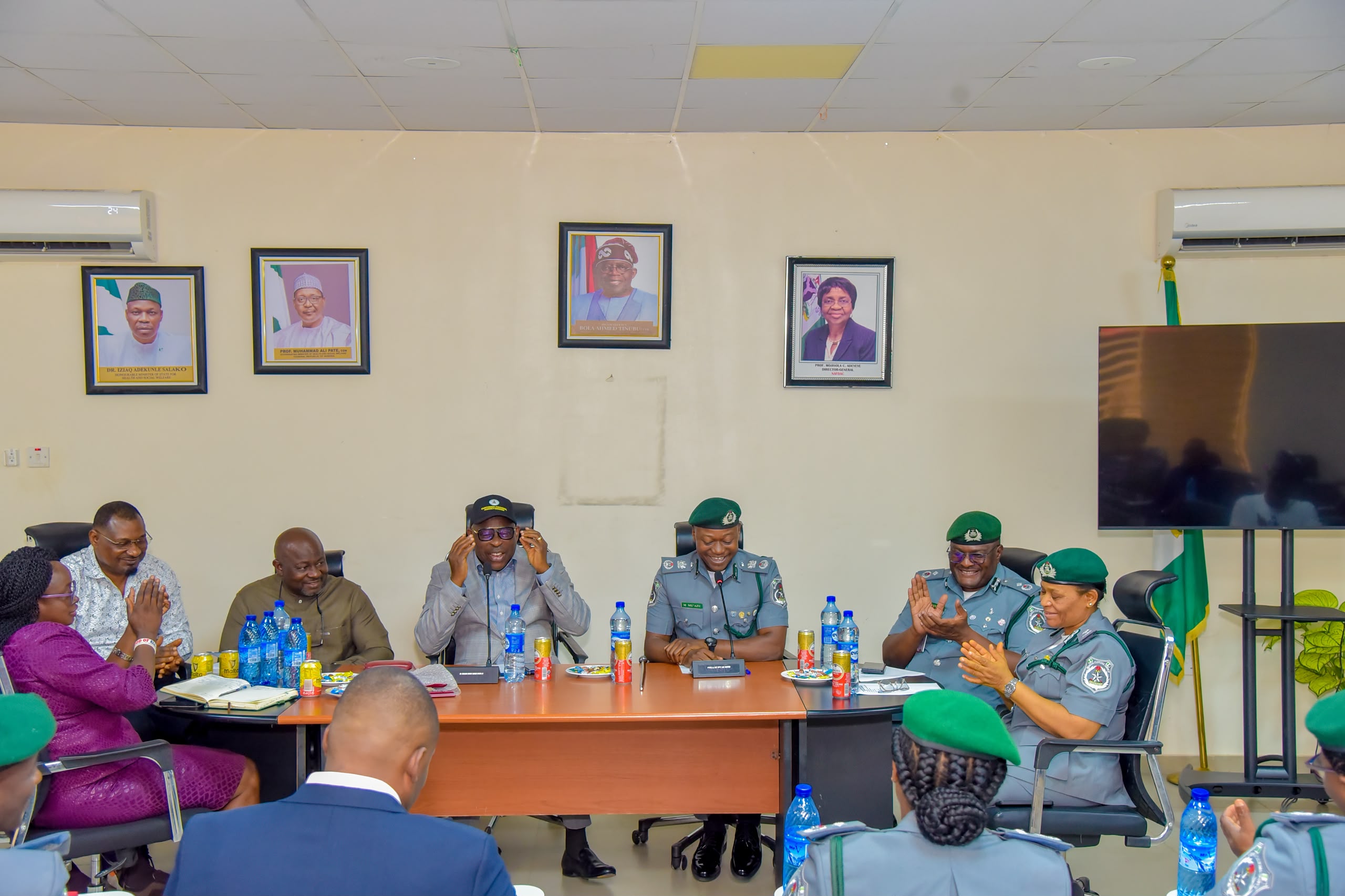
Apapa Customs revenue hits ₦303bn in October, records 7.13% growth

By Onu Okorie
The Nigeria Customs Service (NCS), Apapa Area Command, generated ₦302.95 billion in October 2026, representing a 7.13 per cent increase over the ₦282.79 billion collected in September, as the Command intensifies efforts to boost revenue generation and remove operational bottlenecks at the nation’s busiest seaport.
The October revenue collection represents an increase of ₦20.16 billion over the previous month’s performance, marking another strong outing for the Command, which had earlier recorded more than ₦323 billion in July 2026.
The figures were disclosed in a statement issued by the Command’s Public Relations Officer, Chief Superintendent of Customs Isah Sulaiman, on behalf of the Customs Area Controller, Comptroller Murtala Mu’azu.
The latest performance comes amid renewed efforts by the new Customs Area Controller, who assumed duty on September 29, 2026, to strengthen operational efficiency, improve stakeholder relations and facilitate legitimate trade without compromising revenue collection.
Since taking over the Command, Mu’azu has placed considerable emphasis on engagement with critical stakeholders in the port community, in line with the Comptroller-General of Customs, Bashir Adewale Adeniyi’s policy thrust of Consolidation, Collaboration and Innovation.
As part of this strategy, the CAC convened a stakeholder engagement meeting on October 5, bringing together importers, exporters, licensed customs agents, shipping companies and terminal operators to address challenges affecting port operations.
The meeting focused on issues including delays in the issuance of Demand Notices, cargo clearance bottlenecks and other operational difficulties confronting port users.
Mu’azu has also embarked on courtesy visits to key stakeholders and strategic partners within the port community to strengthen institutional relationships and promote cooperation towards creating a more business-friendly environment.
A major area of intervention by the new Customs boss is the review and streamlining of Transire processing, which is aimed at reducing bureaucratic delays, improving coordination among departments and accelerating cargo clearance.
According to him, traders should not be made to suffer the consequences of avoidable administrative lapses and delays.
He said the Command was determined to identify the root causes of operational challenges and introduce practical solutions that would promote seamless business operations and improve service delivery.
The Customs Area Controller further directed officers to ensure that cargo examinations strictly comply with established procedures, documentation requirements and necessary authorisations.
He cautioned against unwarranted, repetitive and unnecessary examinations capable of frustrating legitimate transactions, stressing that cargo inspections must not become a source of avoidable delays.
Officers were consequently directed to discharge their responsibilities promptly and professionally while maintaining compliance, protecting government revenue and safeguarding national security.
The measures, according to the Command, are designed to improve cargo turnaround time, create a predictable trading environment and ensure compliance with the Nigeria Customs Service Act, 2023.
However, the Command’s revenue drive has been accompanied by intensified enforcement operations against illicit trade.
During the period under review, Customs officers intercepted 437 sachets of Cannabis Sativa weighing 392.5 kilogrammes in two separate containers.
The seizures comprised 162 sachets weighing 125 kilogrammes in container number MSKU0486747 and another 275 sachets weighing 267.5 kilogrammes in container number TEMU6149358.
The seized narcotics have a combined Duty Paid Value of ₦196.13 million.
The consignments were intercepted and jointly examined with relevant sister security agencies, underscoring the Command’s determination to prevent criminal elements from exploiting the nation’s maritime gateway for illicit activities.
The Command said it would sustain the balance between revenue generation, enforcement and trade facilitation, while strengthening partnerships with stakeholders to improve port operations.
With the October collection surpassing the ₦300 billion mark, the Apapa Area Command appears determined to consolidate its revenue performance while addressing longstanding operational challenges that have affected the ease of doing business at the port.
The new administration’s emphasis on administrative efficiency, stakeholder collaboration and compliance-driven cargo examination also signals an effort to demonstrate that improved revenue collection and faster cargo clearance can be pursued simultaneously without weakening border controls.
The broader challenge for the Command will be sustaining the revenue momentum while translating its reform initiatives into measurable improvements in cargo clearance, reduced transaction costs and greater confidence among port users.