






FG sets up committee to draft new VAT Order

By Onu Okorie
Federal Government has set up an Inter-Ministerial Committee to draft a new Value Added Tax VAT Modification Order for 2026, part of efforts to smooth the rollout of Nigeria’s overhauled tax laws.
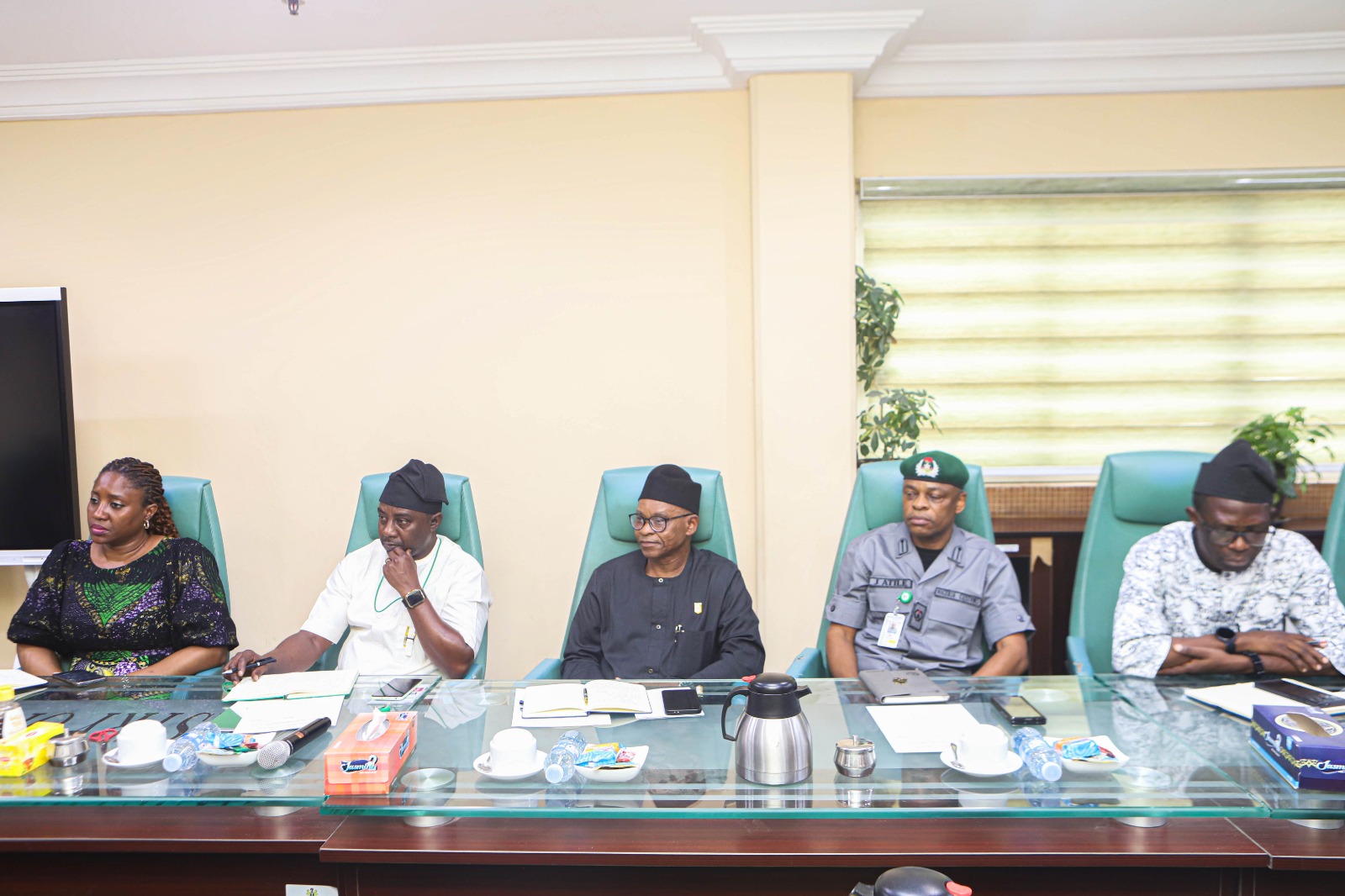
Minister of Finance and Coordinating Minister of the Economy, Taiwo Oyedele, inaugurated the committee on Friday at his office, telling members he wants a “modern and practical” framework that matches both the letter and the spirit of the Tax Reform Acts, which took effect on January 1.
Oyedele called the reforms the biggest overhaul of Nigeria’s tax system in decades, saying they were designed to simplify administration, sharpen the country’s competitiveness, shield low-income Nigerians, and put government finances on steadier footing.
He said the old VAT Modification Order, made under the now-repealed VAT Act, had run its course and that a new one was needed to close gaps, refresh outdated schedules, and back up the Nigeria Tax Act now in force.
“This is not about reproducing an old document,” Oyedele told committee members. “It is about developing a VAT Modification Order that is clear, practical and responsive to the needs of a changing economy.”
The committee’s central task is to comb through the exempt and zero-rated VAT provisions in Part IV of the Nigeria Tax Act, 2025, and flag anything that needs clearer language. Oyedele also wants members to consult widely — with government agencies, organised private sector groups, professional bodies and other stakeholders — before locking in their recommendations.
Beyond reviewing existing rules, the committee has been asked to draw up a full schedule of goods and services that should be exempt or zero-rated, weighing the revenue trade-offs against social impact, Nigeria’s trade treaty commitments and regional integration goals. Where current laws fall short, members can also recommend legislative amendments.
Oyedele said the changes should back industrial growth, exports, food security, innovation and Nigeria’s energy transition, while keeping the VAT system’s integrity intact.
The committee has six weeks to deliver a draft VAT Modification Order, the exempt and zero-rated schedules complete with Harmonised System codes, implementation notes, a report on stakeholder consultations, and any recommendations for legislative changes.
Its membership spans the Federal Ministry of Finance, the Nigeria Revenue Service, the Nigeria Customs Service, the Federal Ministry of Industry, Trade and Investment, the Joint Revenue Board, the Manufacturers Association of Nigeria, the Tax Advisory Committee and the Tax Justice and Governance Platform.
Oyedele said the mix of government and private-sector expertise on the committee gave him confidence in a sound outcome.
“Nigerians cannot wait,” he said. “Businesses need certainty. Investors need confidence. Government needs a VAT system that is easy to administer and supports growth. I urge you to approach this assignment with diligence, objectivity and a sense of urgency.”











