





FRSC unveils intelligence-led patrol to tackle Road crashes

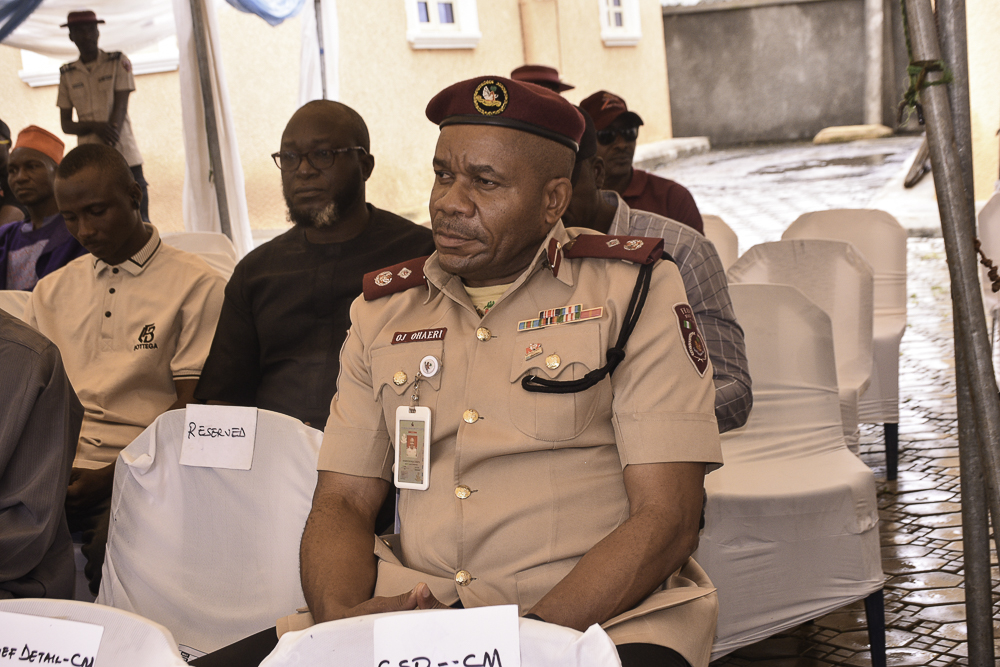
FRSC unveils intelligence-led patrol to tackle Road crashes

By the Editor
Federal Road Safety Corps FRSC has launched one of its most extensive operational strategies in recent years, rolling out a nationwide Zonal Special Intervention Patrol ZSIP featuring 12 intelligence-driven, code-named operations aimed at tackling the major causes of road traffic crashes across Nigeria.
The nationwide exercise, which commenced on July 20, will see all 12 Zonal Commands simultaneously execute operations tailored to the unique road safety challenges in their respective jurisdictions, marking what the Corps described as a shift from routine traffic enforcement to targeted, data-driven interventions.
The operations include Operation Fushin Zuma, Anger of the Bee in Kaduna, Operation Ride Safe in Bauchi, Operation Shark Smile in Port Harcourt, Operation ABO (Safe Passage) in Lagos, Operation Sauka Lafia in Abuja, Operation Kasolayo in Ilorin, Operation Kwushi Ihe Mberede in Enugu, Operation Sanity in Osogbo, Operation Total Compliance in Benin, Operation Harbin Kunama (Scorpion Sting) in Yola, Operation Hadarin Kalangu in Jos, and Operation Daidaita Loading in Zone 10.
According to the Corps, each operation integrates intelligence-led enforcement, public enlightenment campaigns, enhanced operational visibility, stakeholder engagement and collaboration with other security agencies to reduce road crashes and save lives.
The Special Intervention Patrol was approved by the Corps Marshal, Shehu Mohammed, to enable each Zonal Command respond directly to crash patterns within its jurisdiction through intensive enforcement, sustained public education, improved rescue preparedness and increased patrol presence on highways.
Mohammed described the initiative as a decisive departure from conventional enforcement, saying the operations were carefully designed around the specific dangerous driving behaviours responsible for avoidable deaths and injuries in different parts of the country.
He explained that the exercise would involve massive deployment of FRSC personnel to highways, motor parks, loading points and other high-risk corridors, supported by continuous public enlightenment, stakeholder engagement and close collaboration with sister security agencies to ensure effective enforcement and prompt emergency response.
The Corps Marshal warned motorists, commercial vehicle operators and fleet owners to comply strictly with traffic regulations, stressing that offenders would face firm but professional enforcement in line with the Corps’ statutory responsibilities.
He, however, assured Nigerians that the intervention was not intended to punish law-abiding road users but to safeguard lives and property. He urged members of the public to cooperate with patrol teams by obeying traffic rules, avoiding dangerous practices such as overloading and mixed loading, and reporting reckless driving and other unsafe behaviours.
Mohammed also called on transport operators to embrace voluntary compliance, noting that road safety is a shared responsibility that requires the collective efforts of government, transport stakeholders and every road user.
He concluded by charging all the Zonal Commands to remain committed to the objective of the initiative, declaring that “every Zone has a mission, every patrol has a purpose, and every operation is a commitment to saving lives.”











