





FG commits $400m to boost rural electrification, solar-powered agriculture

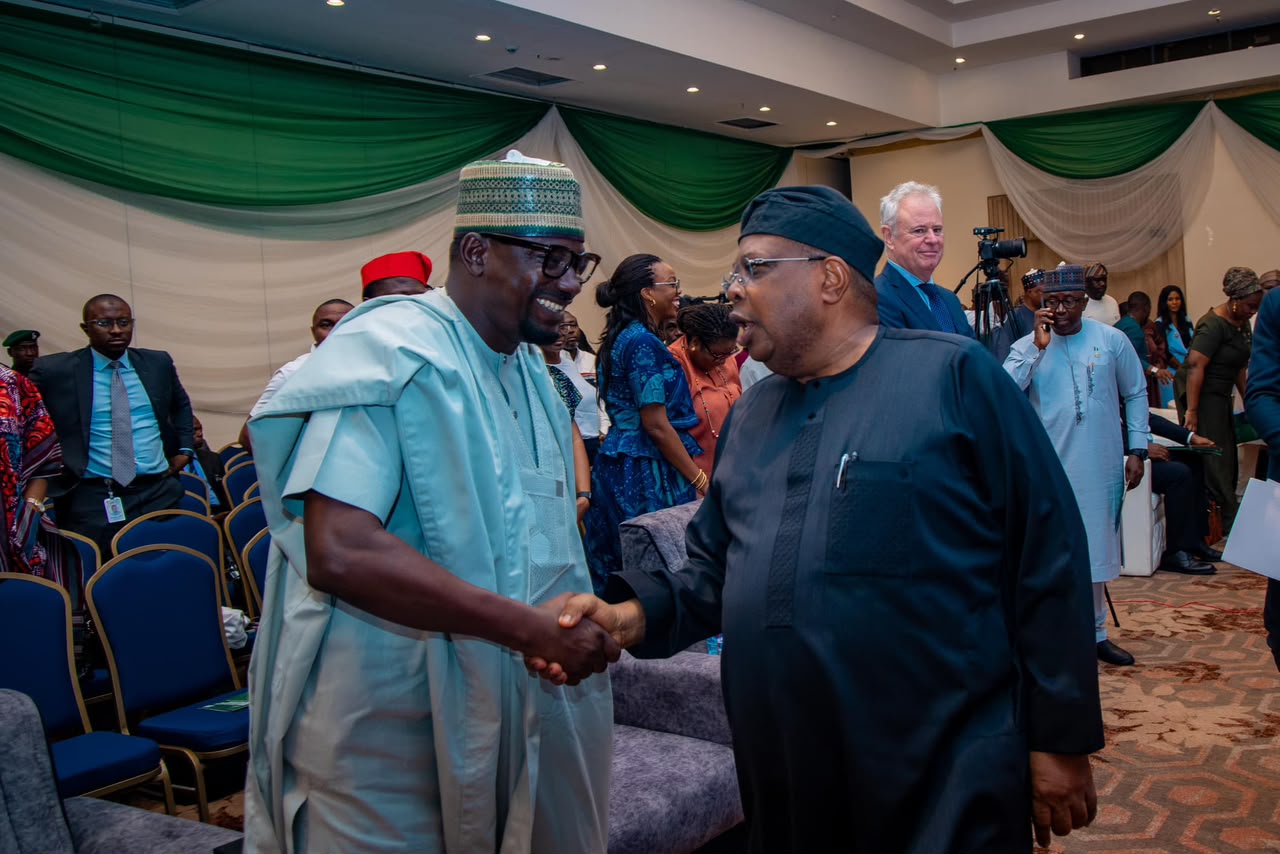
FG commits $400m to boost rural electrification, solar-powered agriculture

By Onu Okorie
Rural Electrification Agency REA has committed $400 million under the Distributed Access through Renewable Energy Scale-up DARES programme to expand rural electrification and promote the productive use of clean energy across Nigeria’s agricultural value chain.
Managing Director and Chief Executive Officer of the REA, Abba Abubakar Aliyu, disclosed that the programme has earmarked $250 million for standalone solar systems, $100 million for solar-as-a-business models and $50 million for productive-use equipment aimed at supporting farmers and rural enterprises.
Aliyu, who spoke at the Stakeholders’ Engagement Workshop on Productive Use of Energy in Abuja, said the initiative was designed to create a lasting framework for rural economic development rather than a one-off intervention.
He commended the leadership of the Minister of Power, Chief Joseph Tegbe, describing the workshop as a critical step towards building a sustainable ecosystem that links clean energy with agriculture and rural enterprise.
According to him, small-scale agriculture and micro, small and medium enterprises remain at the heart of Nigeria’s food system, making investments in renewable energy essential for improving productivity and strengthening rural livelihoods.
The REA boss also highlighted the agency’s achievements, revealing that it has developed a pipeline of more than 120 bankable project sites under the Energising Agriculture Programme, while significant progress has also been recorded under the Africa Minigrids Programme.
Speaking at the event, the Minister of Power, Joseph Tegbe, said the Federal Government is redefining its rural electrification strategy by shifting emphasis from simply connecting communities to the national grid to using electricity as a catalyst for economic growth and enterprise.
Tegbe said the government’s objective is to transform rural livelihoods by ensuring that electricity powers productive activities capable of creating jobs, boosting agricultural output and increasing incomes.
According to him, measuring success in the power sector should no longer be based solely on the number of megawatts generated or households connected to electricity.
Instead, he said the true impact of electricity lies in its ability to support productive ventures such as irrigating farmlands, powering rice mills, operating cold storage facilities for fish and vegetables, and enabling young entrepreneurs to establish agro-processing businesses within their communities.
The minister described the Productive Use of Energy agenda as a convergence of several national priorities, including energy access, agricultural development, industrialisation, financial inclusion, food security and employment generation.
He noted that Nigeria continues to lose significant value between harvest and market because of inadequate cold storage facilities, limited processing capacity and the high cost of energy-intensive equipment.
According to him, addressing these gaps presents enormous economic opportunities capable of strengthening food security and stimulating inclusive growth.
Tegbe argued that investments in productive-use energy offer benefits across the value chain, providing farmers with lower operating costs, financial institutions with a new class of bankable assets, manufacturers with expanding domestic markets and government with improved revenue and stronger rural economies.
He urged participants at the workshop to build stronger partnerships and leave with renewed confidence in Nigeria’s potential to become Africa’s leading market for productive-use energy solutions.
A representative of the Minister of Agriculture and Food Security reaffirmed the ministry’s commitment to aligning agricultural development priorities with the productive-use-of-energy initiative.
Similarly, a representative of the ECOWAS Commission placed Nigeria’s efforts within the broader regional agenda for energy-driven agricultural transformation and reiterated the Commission’s support for expanding clean energy solutions across West Africa.
The Abuja workshop, attended by government agencies, development partners, financial institutions, equipment manufacturers, farmers’ associations and members of the diplomatic community, is the first in a series of planned engagements.
Future sessions are expected to focus on financing frameworks, technology standards and deployment strategies for productive-use equipment.
Stakeholders expressed optimism that the collaboration between the Federal Government, the Rural Electrification Agency, development partners and the private sector would translate into increased investment, innovation and higher incomes for millions of Nigerians living in rural communities.











