





Nigeria: 110 out of every 1,000 children die before age five, 40% are stunted, says World Bank

according to the April 2026 Nigeria Development Update (NDU).

Nigeria: 110 out of every 1,000 children die before age five, 40% are stunted, says World Bank
By Onu Okorie
The World Bank has disclosed that in Nigeria about 110 out of every 1,000 children die before age five, 40% are stunted, and more than half are not developmentally on track before entering school.
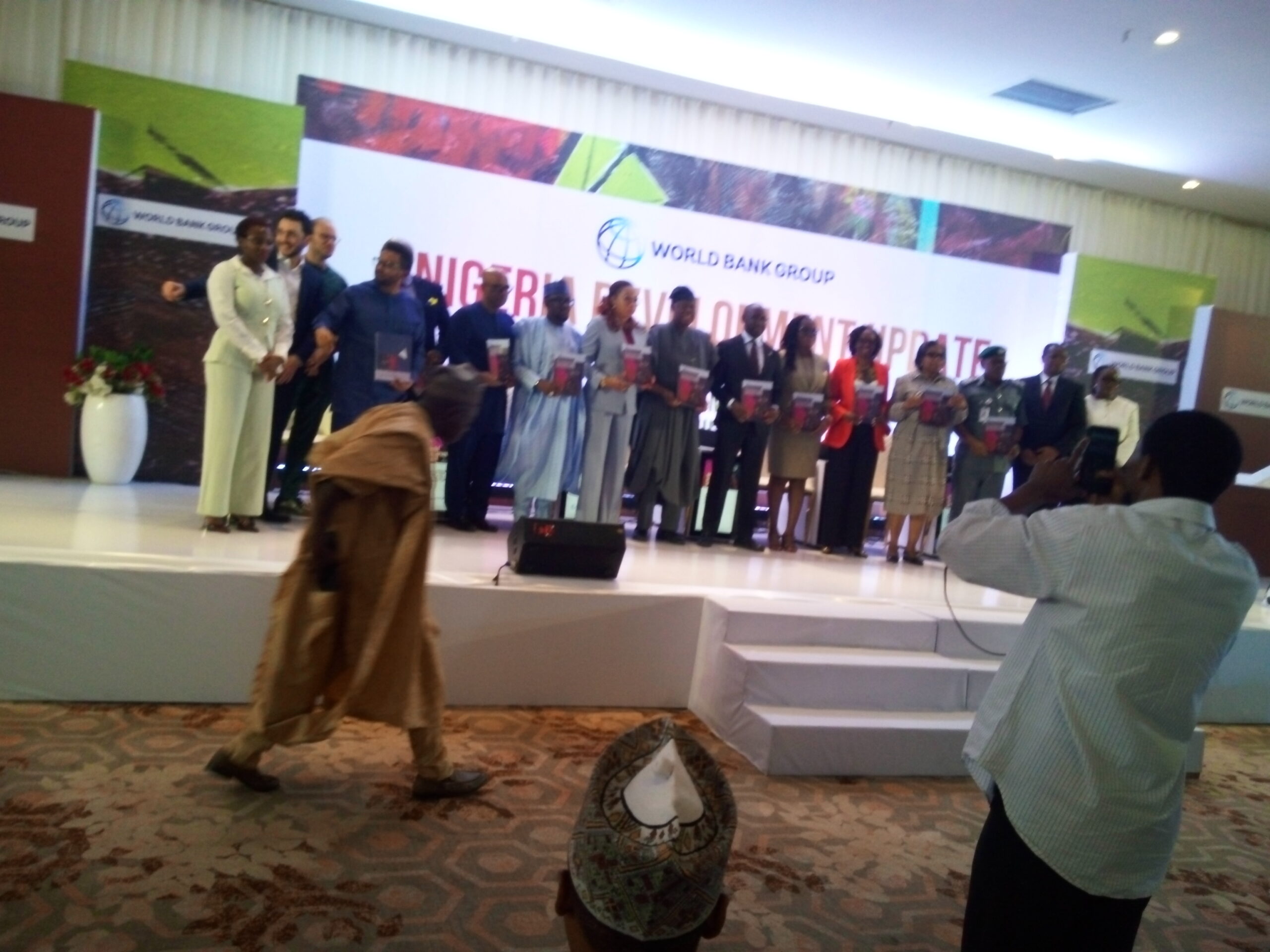
This was part of the April 2026 Nigeria Development Update NDU unveiled in Abuja on April 7th 2026 by the World Bank, with the Minister of Finance and the Coordinating Minister of Economy, Mr Wale Edun in attendance.
Although the report acknowledged that the country has made meaningful progress in restoring macroeconomic stability, but it demands that inclusive growth must accelerate to improve livelihoods—this will depend in part on how effectively it invests in its people and begins early in life, “
Titled Nigeria’s Tomorrow Must Start Today: The Case for Early Childhood Development, the report notes that while recent bold reforms have strengthened macroeconomic fundamentals, enhancing Nigerians’ productive capabilities will be critical to translating these gains into improved living standards and job opportunities.
Nigeria has made efforts to stabilize its economy, but welfare gains are still modest. Moreover, the conflict in the Middle East adds pressures. Sustaining and deepening macroeconomic stabilization, as well as addressing structural constraints, will be critical to translating reform dividends into faster, more inclusive growth, jobs and improved living standards,” said Mathew Verghis, World Bank Country Director for Nigeria. “Investing early in nutrition, health, caregiving, safety and early learning is one of the most powerful ways Nigeria can convert today’s reform gains into higher productivity, better jobs, and lasting poverty reduction.”
Improving early childhood outcomes requires a more integrated approach—bringing together nutrition, health, responsive caregiving, early learning, and children’s living environments, including access to water and sanitation, into a coherent and continuous package of support. This includes defining a basic package of services from pregnancy to age five, improving targeting and delivery, engaging private sector and community providers, and aligning financing and coordination with measurable outcomes.
“The outlook for Nigeria’s economy remains cautiously optimistic. Growth is projected at 4.2% over 2026-2028, supported by continued macroeconomic stabilization, ongoing structural reforms, and increased investment. Inflation, which is still high, is expected to fall gradually, albeit more slowly than previously expected due to pressures from the Middle East conflict”, said Fiseha Haile, World Bank’s Lead Economist for Nigeria.The report pointed out that previous distortionary and unsustainable macroeconomic policies were hindering Nigeria from achieving its immense potential. However, major reforms have been undertaken to restore macroeconomic stability since May 2023. The government started to move towards market-based pricing of gasoline to address the large fiscal cost of subsidized pricing. The CBN initiated major FX policy reforms that resulted in a unified, better regulated, and market-reflective official exchange rate. The new policy direction is essential, but in the short-term it has added to already intense pressures on households and firms. The indications that the macroeconomic situation is improving are encouraging, providing oxygen to the economy and the necessary condition for growth to ignite, with the help of additional, complementary measures. The monetary policy stance needs to remain tight until a sustained disinflation path is achieved, along with continued improvements in policy transmission. On the fiscal front, focus on four key areas can reduce debt risks and create more space for development and pro-poor spending. In parallel with stabilizing the macroeconomy, it is critical to protect the poor and the economically insecure by enhancing the social protection framework. Poverty is high and rising in Nigeria. However, employment on its own is not enough to lift people out of poverty: Nigeria needs productive jobs, but these are scarce. Sustained poverty reduction depends on creating wage jobs through macro-fiscal stability, growth, and private sector development, complemented by building human capital. Short- and medium-run policies to boost productivity in farm and non-farm household enterprises would provide relief while higher-paying jobs are not available and could support some to succeed and grow. Policy initiatives for women and youth can improve the labor market’s poverty-reducing potential.











