


AfCFTA: Nigeria, Benin, Cameroon move to link Customs platforms, cut border delays

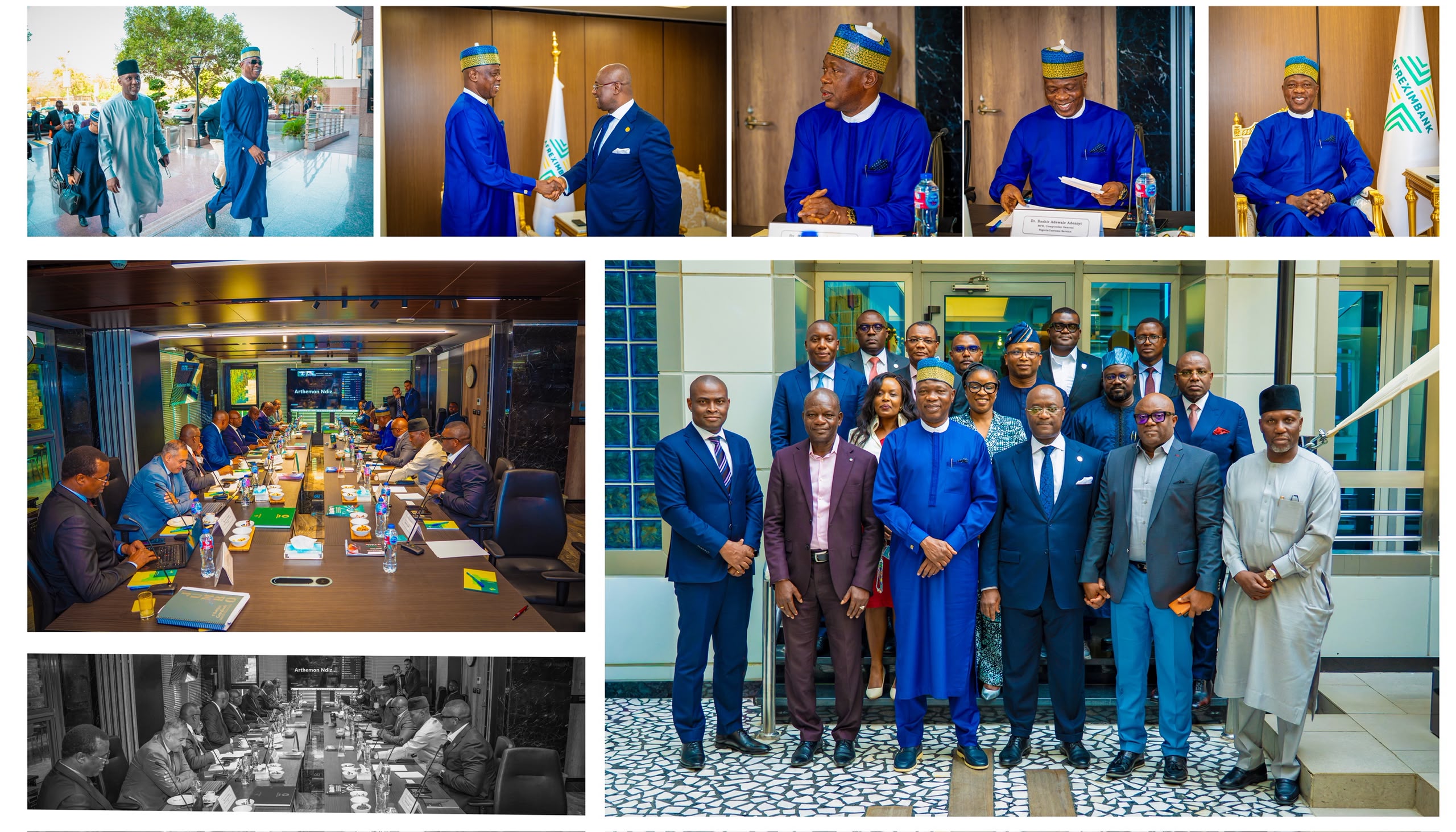
AfCFTA: Nigeria, Benin, Cameroon move to link Customs platforms, cut border delays
By Onu Okorie
Nigeria, Benin Republic and Cameroon are moving towards linking their Customs digital platforms in a major regional initiative designed to allow trade data to travel across borders ahead of cargo and reduce clearance delays under the African Continental Free Trade Area (AfCFTA).
The initiative, being developed with the African Export-Import Bank (Afreximbank), could see export information generated in one country transmitted securely to Customs authorities in the destination country for advance preparation of import documentation.
At the centre of the plan is the Customs Declaration Exchange System (CDES), which is expected to connect Nigeria Customs Service’s B’Odogwu platform with Benin’s Customs Webb and Cameroon’s CAMCIS.
If successfully deployed, the system could address one of the persistent obstacles to intra-African trade — the repeated submission and processing of similar cargo information as goods move from one Customs territory to another.
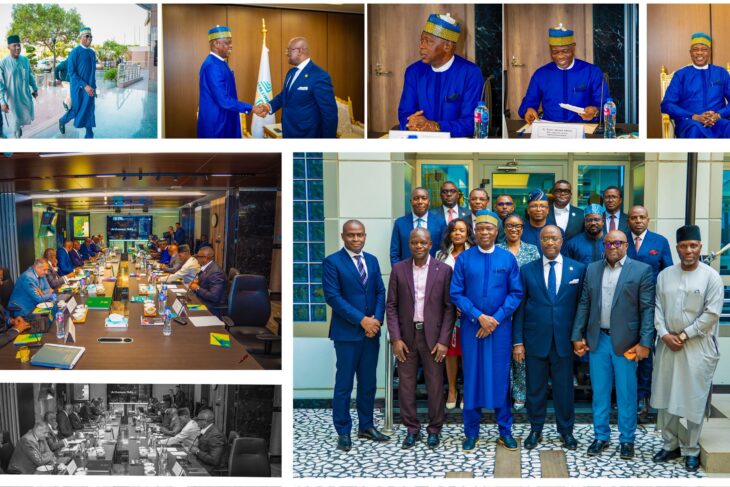
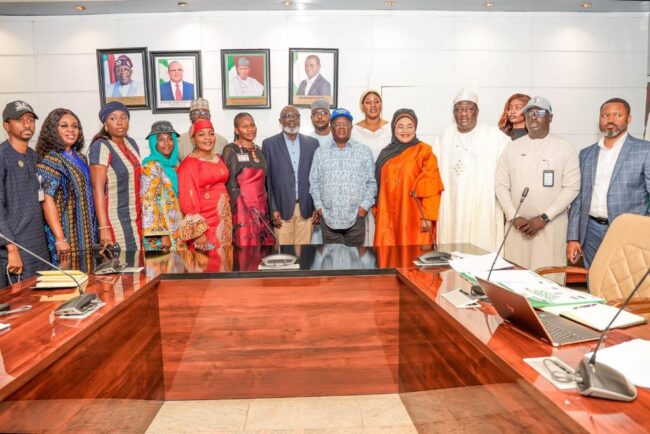
The Nigeria Customs Service (NCS) said discussions on the initiative were intensified at a high-level meeting held at Afreximbank’s headquarters in Cairo, Egypt, on October 12, 2026.
The engagement was led by the Comptroller-General of Customs, Bashir Adewale Adeniyi, and involved Customs administrations from Nigeria, Benin and Cameroon, alongside Afreximbank and technical partners.
Under the proposed arrangement, export information from the originating country would support advance preparation of import-manifest information by the receiving country.
However, each national Customs administration would retain authority over validation, risk assessment, compliance with domestic requirements and final clearance of goods.
The NCS said development and technical testing of CDES had already taken place, but country-specific configuration, application programming interface integration, security assurance and pilot acceptance would still be required before the system could become operational.
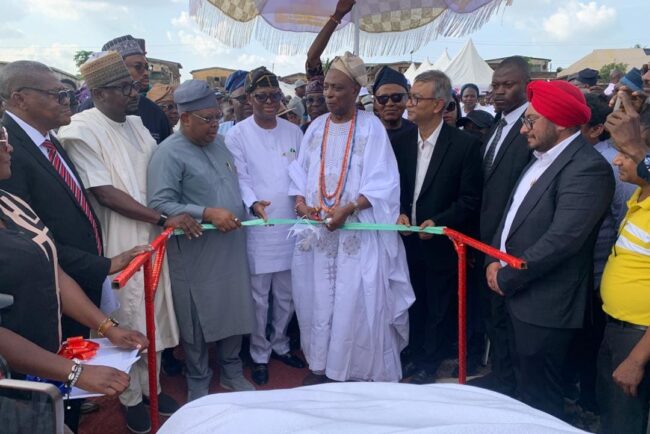
The digital integration forms part of a wider plan to modernise the Sèmè–Kraké corridor between Nigeria and Benin and the Mfum–Ekok corridor linking Nigeria and Cameroon.
The programme could involve investments in cargo scanners, weighbridges, access roads, electricity supply, telecommunications connectivity, traffic management systems and modern border-processing facilities.
The three Customs administrations are seeking to adapt lessons from the Beitbridge Border Post in Zimbabwe following a benchmarking mission undertaken in July.
Assessments subsequently conducted at the two West and Central African corridors revealed significant infrastructure and operational deficiencies that could undermine efforts to expand regional trade.
At Mfum–Ekok, officials identified problems with dependable electricity, connectivity, information technology equipment, cybersecurity, technical support, scanner commissioning and coordinated single-stop processing.
The Sèmè–Kraké corridor was found to be grappling with incomplete joint procedures, absence of live data exchange, non-functional cargo-scanning and weighing facilities, unreliable electricity, traffic congestion and inconsistent operating hours.
There were also unresolved questions over responsibility for maintaining infrastructure shared by the neighbouring countries.
The findings suggest that implementing AfCFTA across the corridors will require more than removing tariffs, with Customs technology, infrastructure and harmonised border procedures becoming increasingly important to the movement of goods across the continent.
Afreximbank has consequently proposed a two-stage approach to the project, beginning with independent engineering assessments and investment-cost studies at the two border posts.
This would be followed by separate bankable project packages for the Nigeria-Benin and Nigeria-Cameroon corridors.
Project preparation is expected to cover transaction advisory services, legal due diligence, financial modelling and the identification of appropriate implementation and financing structures.
Afreximbank also indicated that its Project Preparation Facility could potentially be deployed, while technical partners TMP and Bergmans Security Consultants and Supplies Limited expressed willingness in principle to consider financing preparatory work.
However, the Customs Service stressed that no final project cost, lending commitment, borrower, financing structure or implementation contract had been agreed.
The parties instead agreed to undertake direct site inspections, nominate technical focal persons and develop one-, three- and six-month implementation milestones backed by a dated action matrix.
The discussions also covered Afreximbank’s possible participation in the next Customs Partnership for African Cooperation in Trade (C-PACT), as well as efforts to establish regional and continental transit-guarantee arrangements.
NCS National Public Relations Officer, Deputy Comptroller Abdullahi Maiwada, said the initiative formed part of the Service’s drive to strengthen regional cooperation and facilitate legitimate trade.
According to him, the Customs Service under Adeniyi would continue working with Benin, Cameroon, Afreximbank and technical partners to develop sustainable solutions for the two corridors.
For Nigeria, successful implementation could make Sèmè–Kraké and Mfum–Ekok important test cases for whether digital interoperability and coordinated border management can translate the promise of AfCFTA into faster movement of goods and lower trade friction across African borders..