




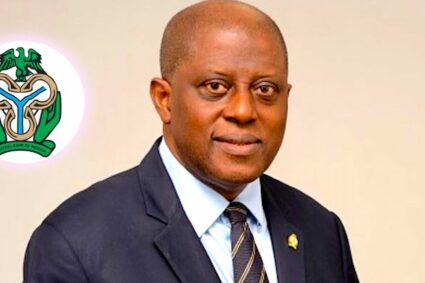
Nigeria pushes global finance overhaul as Oyedele warns high borrowing costs threaten developing economies

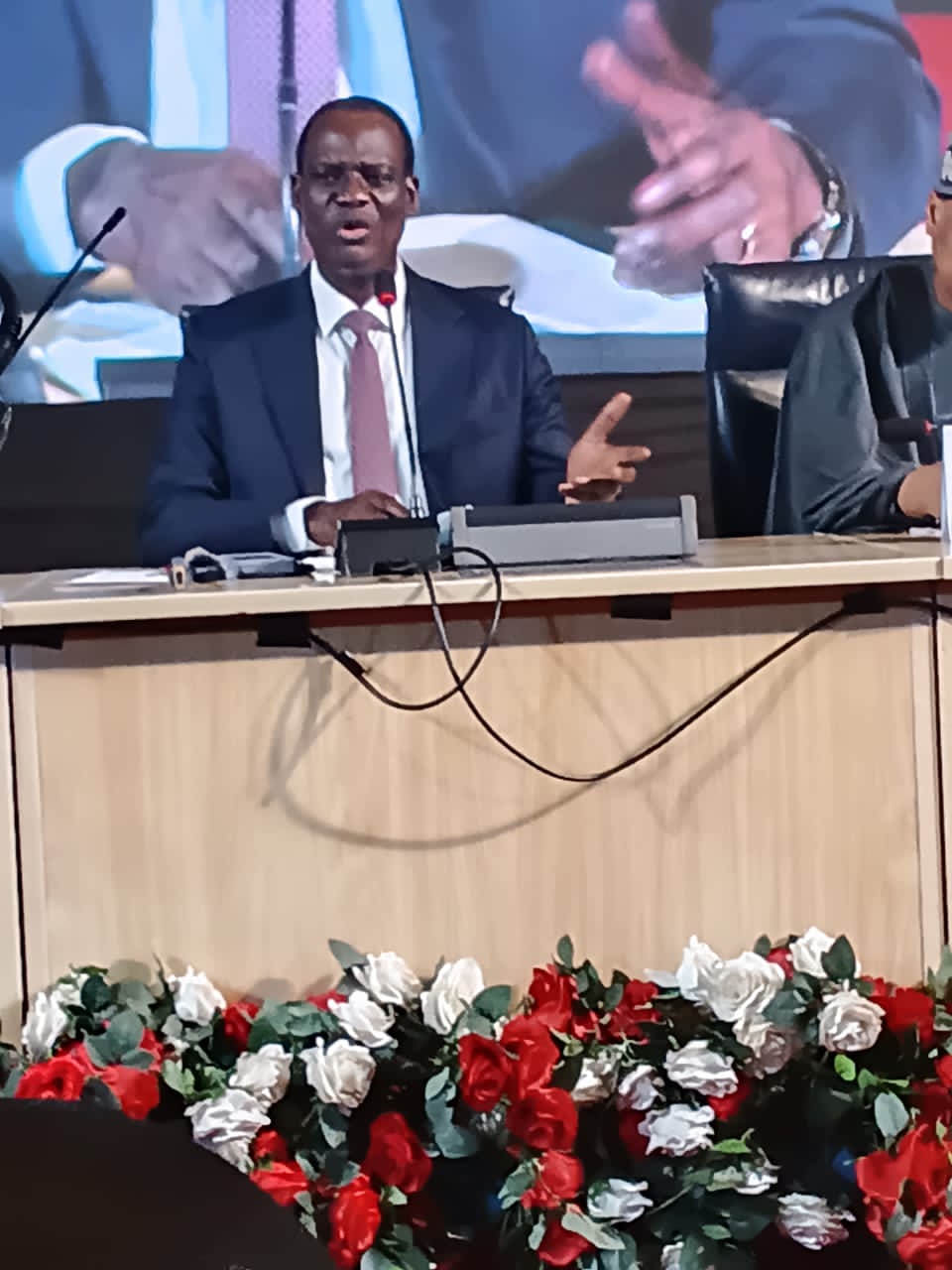
Nigeria pushes global finance overhaul as Oyedele warns high borrowing costs threaten developing economies
By Onu Okorie
Nigeria has intensified pressure for an overhaul of the global financial system, warning that expensive borrowing, slow debt restructuring and unequal representation in major multilateral institutions are increasingly limiting the ability of developing countries to finance growth and withstand economic shocks.
Minister of Finance and Coordinating Minister of the Economy, Taiwo Oyedele, led the push while chairing the G-24 Board of Governors meeting on the sidelines of the International Monetary Fund and World Bank Annual Meetings.
The intervention places Nigeria at the centre of a wider campaign by emerging and developing economies for cheaper development financing and reforms of the institutions that determine access to global capital.
Oyedele argued that domestic economic reforms alone would not be enough to protect developing countries where the international financial environment continues to expose them to high interest rates, debt vulnerabilities, commodity-price swings and other external shocks.
He said rising interest rates, widening fiscal deficits in advanced economies and rapidly expanding financing demand for artificial intelligence and energy infrastructure were putting further upward pressure on the cost of capital.
For Nigeria and other heavily indebted developing economies, the implication is significant, as expensive international financing can increase debt-servicing costs and leave governments with less fiscal space for infrastructure, healthcare, education and other development priorities.
Oyedele consequently called for progress on IMF quota and governance reforms, stronger representation of developing economies at the World Bank and improved access to affordable development finance.
He also demanded a more predictable and coordinated system for restructuring sovereign debts, particularly one capable of bringing different categories of creditors into negotiations more quickly.
The minister pushed for expanded climate financing and stronger international tax cooperation to tackle tax avoidance and illicit financial flows, while demanding a greater voice for developing economies in international decision-making, including at the G-20.
IMF Managing Director Kristalina Georgieva and World Bank Senior Managing Director Axel van Trotsenburg, representing World Bank President Ajay Banga, joined other G-24 Governors at the meeting, which focused heavily on the growing financing pressures confronting emerging economies.
The discussions came against the backdrop of geopolitical tensions, volatile commodity prices, climate shocks and tight global financial conditions.
Georgieva said the global economy had remained resilient, with growth projected at about 3.1 per cent through 2026, but warned that the headline figure concealed widening differences between countries.
According to her, economies benefiting from digital transformation, artificial intelligence investment and critical-mineral supply chains are increasingly pulling ahead of countries constrained by conflict, expensive energy and limited access to technology.
She warned that persistent food and energy price pressures were keeping interest rates and debt-servicing costs elevated.
The IMF chief urged governments to rebuild fiscal buffers, safeguard central bank independence and increase investment in digital infrastructure and skills.
She also called for faster treatment of distressed sovereign debts under the G-20 Common Framework and further progress on IMF quota reform.
Van Trotsenburg said the World Bank had mobilised about $27.4 billion in crisis-related financing, with 10 countries activating dedicated crisis-response instruments and another 19 redirecting existing resources towards urgent needs.
He warned about El Niño-related threats to food security and grain prices, saying the Bank remained focused on electricity access, healthcare, digital connectivity and employment creation.
The World Bank is also targeting jobs across tourism, healthcare, food systems and manufacturing while seeking to mobilise more private capital and climate financing.
Several G-24 members backed Nigeria’s reform push.
Brazil, China and Pakistan supported stronger representation for the Global South and reforms of the Bretton Woods institutions, while the Philippines advocated deeper regional financial integration.
Kenya called for stronger domestic policy buffers and greater use of local-currency financing, potentially reducing developing countries’ exposure to exchange-rate shocks associated with foreign-currency borrowing.
Egypt highlighted supply-chain disruptions and capital outflows, while Lebanon and Syria drew attention to the severe financing constraints confronting conflict-affected economies.
Pakistan, which takes over as incoming G-24 Chair, pledged to keep development at the centre of the group’s agenda.
Closing the meeting, Oyedele identified three major lessons for developing economies.
First, he said countries must build resilience before crises occur by preparing policies and buffers proactively rather than waiting for shocks.
Second, artificial intelligence should be embraced but responsibly regulated to ensure that technological transformation translates into inclusive and job-rich economic growth.
Third, he said international cooperation remained indispensable in confronting risks that individual countries cannot effectively manage alone, including energy insecurity, food-price volatility, supply-chain disruptions, debt vulnerability and climate change.
The central message from the meeting was that while developing countries must continue domestic reforms, the global system within which those reforms operate also requires adjustment.
For Nigeria, which is seeking greater investment while managing substantial financing and development needs, success of the reform campaign could have direct consequences for the cost and availability of long-term capital.
A global system that provides cheaper development finance, quicker resolution of sovereign debt problems and greater representation for emerging economies could widen fiscal space and support infrastructure investment.
Without such changes, however, developing countries risk carrying out difficult domestic reforms only to see part of the gains absorbed by high borrowing costs, debt-service pressures and external shocks over which they have little control.












