





Nigeria’s private capital inflows surge 20-fold to nearly $6bn

Nigeria’s private capital inflows surge 20-fold to nearly $6bn

By Onu Okorie
Nigeria’s private capital inflows have risen nearly twentyfold, from about $300 million in 2023 to almost $6 billion in 2026, highlighting a significant increase in investment flows into the country.
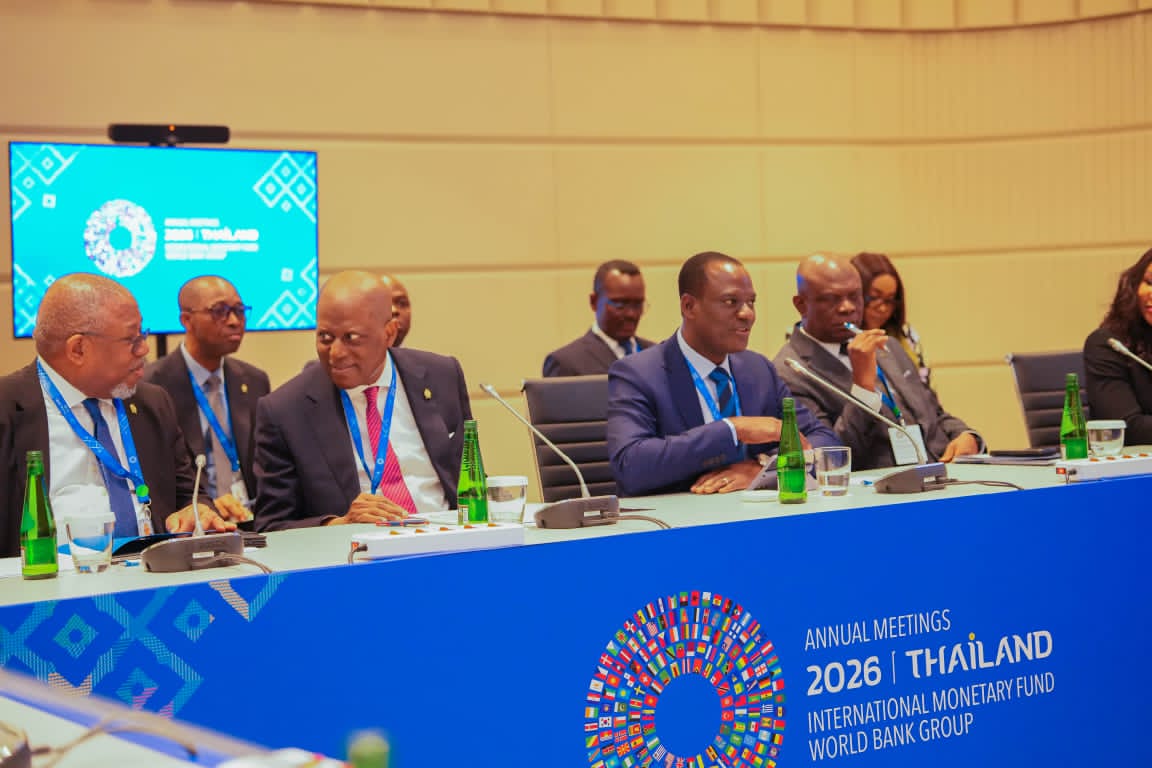
The development was highlighted when the Minister of Finance and Coordinating Minister of the Economy, Taiwo Oyedele, and the Governor of the Central Bank of Nigeria, Olayemi Cardoso, met with the President of the World Bank Group, Ajay Banga, on Monday. Oyedele, Cardoso meet World Bank president in Bangkok as government seeks to convert economic stability into growth, investment and jobs
The meeting took place on the sidelines of the 2026 International Monetary Fund (IMF) and World Bank Group Annual Meetings in Bangkok, Thailand, where Oyedele is leading Nigeria’s delegation.
Discussions focused on the country’s economic reform progress and the next phase of its agenda, particularly efforts to translate macroeconomic stability into faster economic growth, increased private investment and stronger domestic revenue generation.
Banga commended Nigeria’s reform progress, drawing attention to the sharp rise in private capital inflows over the three-year period. The increase from approximately $300 million in 2023 to nearly $6 billion in 2026 represents a twentyfold rise, according to the figures highlighted at the meeting.
Oyedele also pointed to improvements in economic growth and domestic revenue mobilisation, noting that Nigeria’s tax-to-gross domestic product (GDP) ratio had increased from about seven per cent to 12.5 per cent over the same period.
The improvement in tax revenue, he noted, provides the government with greater capacity to finance public investment without resorting to deficit monetisation, a practice that involves financing government deficits through the creation of money.
The meeting also examined opportunities for Nigeria to make greater use of World Bank guarantee instruments to mobilise additional financing for critical infrastructure and attract more private capital into the domestic economy.
Such guarantees could help reduce investment risks and encourage private investors to participate in projects that might otherwise struggle to secure adequate funding.
Power infrastructure and human capital development were identified as key priorities for sustained public investment, given their importance to business competitiveness, productivity and job creation.
Participants also emphasised the need to improve the quality of public expenditure, ensuring that government spending delivers measurable economic and social benefits.
The discussions form part of the Federal Government’s broader engagement with development partners to consolidate reform gains, attract fresh investment and support sustainable economic growth.
As Nigeria seeks to move beyond macroeconomic stabilisation, the challenge will be to translate improving economic indicators into productive investments, expanded employment opportunities and better living standards for citizens.











