






Subsidy removal generates N15.8trn, FG rules out return to fuel subsidy

By Onu Okorie
Federal Government has disclosed that Nigeria generated N15.8 trillion in additional revenue for the Federation Account following the removal of petrol subsidy between June 2023 and December 2025, with states and local governments receiving N10.4 trillion of the proceeds.
The government said the revenue gains underscored the fiscal importance of sustaining the reform, despite mounting pressure on households and businesses over rising petrol prices.
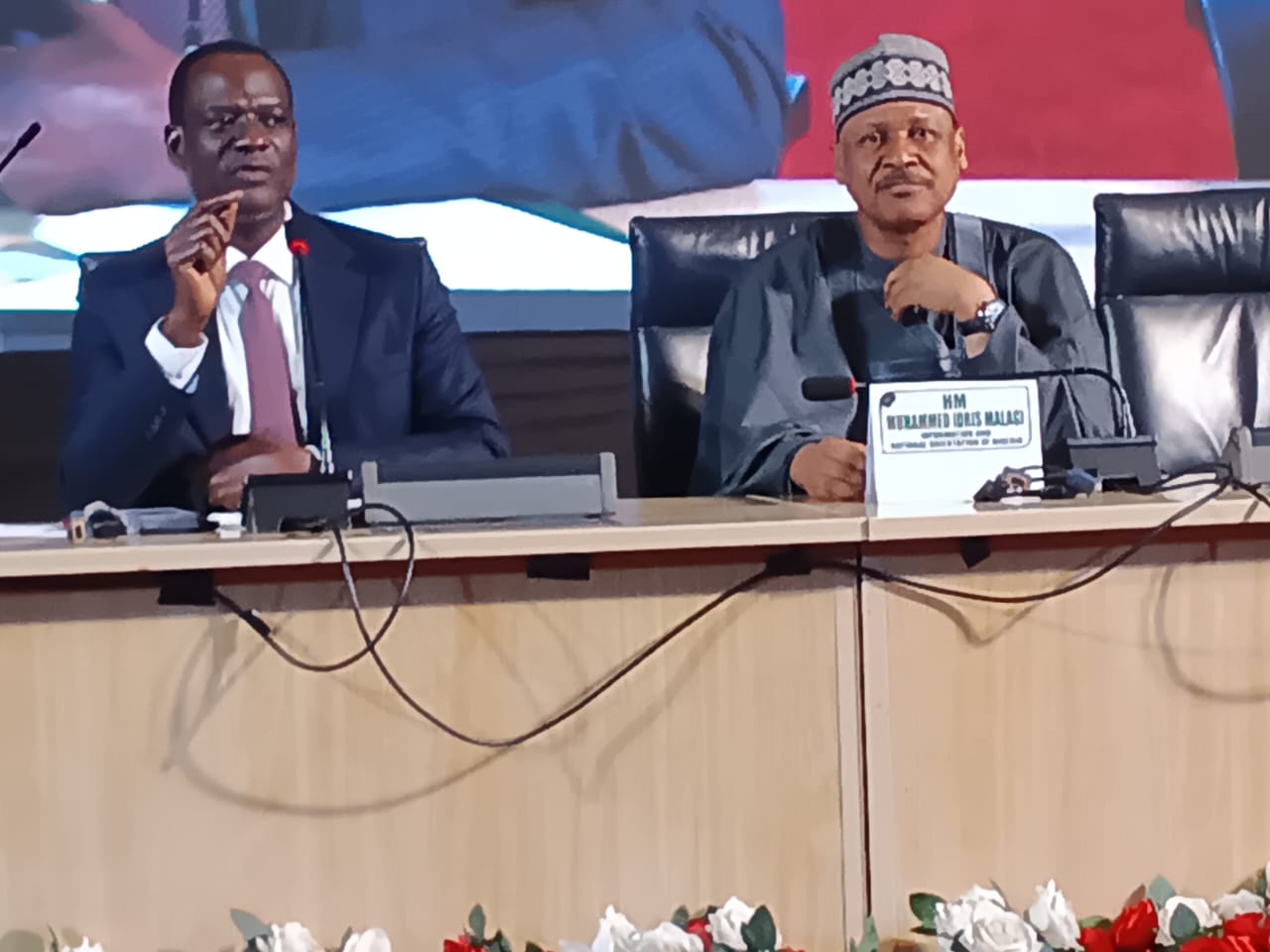
The Minister of Finance and Coordinating Minister of the Economy, Professor Taiwo Oyedele, disclosed this at a press briefing on Thursday, October 8, 2026, while defending the government’s decision against calls for the reinstatement of fuel subsidy.
His comments came amid a fresh surge in petrol prices, which he attributed largely to global energy market disruptions linked to the conflict in the Gulf and declining international fuel supplies.
According to Oyedele, Brent crude oil prices have climbed above $100 per barrel, while shipping activity through the Strait of Hormuz has fallen to about 13 per cent of its pre-war level. Diesel exports from the Middle East and Russia have also dropped by 75 per cent year-on-year, contributing to higher refined-product prices and freight costs.
He said the combined effects of these disruptions had pushed petrol prices in Nigeria from about N830 per litre before the conflict, when crude oil traded at approximately $70 per barrel, to an average of N1,400 per litre.
Despite the increase, the minister maintained that Nigeria had avoided widespread fuel shortages, with petrol remaining available across the country.
Subsidy Could Cost N20trn Annually
Oyedele warned that restoring petrol subsidy would impose a significant burden on public finances, potentially wiping out a substantial portion of the revenue gains recorded since the reform.
He said Nigeria consumes approximately 50 million litres of petrol daily, meaning that restoring the pre-reform pump price could cost the government more than N20 trillion annually.
Even if petrol were sold at N500 per litre, he estimated that the government would need to spend more than N16 trillion annually to cover the difference.
The amount, he noted, was comparable to the total funds shared by the federal, state and local governments from the Federation Account in 2025.
The minister also cautioned that subsidised petrol could encourage cross-border smuggling, stimulate excessive domestic consumption and increase demand for foreign exchange, thereby putting additional pressure on the naira.
He argued that a return to the policy could reverse recent economic gains, increase government borrowing costs, weaken the currency and reignite inflation.
FG Distinguishes NNPC Discount From Subsidy
Amid public debate over the recent reduction in petrol prices at Nigerian National Petroleum Company Limited retail outlets, the government has insisted that the measure does not amount to a return to fuel subsidy.
Since October 1, motorists have been paying less for petrol at NNPC Retail Limited stations following a discount on the company’s retail margin.
The government explained that the arrangement involves the retailer reducing or temporarily foregoing part of its profit margin to pass savings to consumers, rather than receiving public funds to lower pump prices.
Under the arrangement, NNPC Retail purchases petrol from the Dangote Refinery and other suppliers at market prices before adding its retail margin. The discount is deducted from that margin, with no direct funding from the federal budget or the Federation Account.
The government argued that the distinction was important because the former subsidy regime required public revenue to cover the difference between the market cost of petrol and the regulated pump price.
It also maintained that the retail discount would not necessarily reduce dividends paid to the Federation, arguing that increased sales volumes and customer loyalty could offset the temporary reduction in margins.
According to the government, the discount is consistent with NNPC Retail’s role in ensuring the availability and affordability of petroleum products nationwide.
It further argued that the measure was unlikely to encourage smuggling because the retail margin accounts for less than five per cent of the pump price, while petrol prices in neighbouring countries are already between 20 and 40 per cent higher.
Government Unveils Further Relief Measures
Beyond the NNPC retail discount, the Federal Government said it was pursuing additional measures to cushion the effects of high fuel prices without reintroducing a blanket subsidy.
The measures include tax and duty waivers, the expansion of local refining, naira-for-crude transactions, tighter regulatory oversight and the removal of illegal levies that increase transportation costs.
The government is also considering a proposed ceiling of N1,350 per litre on the ex-gantry or landing cost of petrol.
Oyedele said the proposed arrangement was intended to moderate sharp price fluctuations rather than introduce a subsidy or impose direct price controls. He added that the arrangement would be reviewed monthly, with the details published to promote transparency.
Other proposed interventions include additional cash transfers to vulnerable households, subsidised credit for small businesses and consumers, and a 30-day petrol discount at NNPC stations, with priority given to public transport operators.
The government is also considering forward sales of crude oil to domestic refineries, increased deployment of compressed natural gas-powered vehicles and possible excess-profit taxation for companies found to be exploiting consumers.
As part of its longer-term strategy, the administration plans to establish a National Strategic Fuel Reserve to protect the country against future supply disruptions, hoarding and excessive price volatility.
CNG Expansion Offers Alternative
Oyedele said the government was expanding the use of compressed natural gas (CNG) as an alternative to petrol, particularly in the transportation sector.
He disclosed that more than 120,000 vehicles were operating on CNG, supported by over 400 conversion centres and 96 refuelling stations. More than 550 CNG buses had also been deployed.
In areas where the buses operate, transportation fares have fallen by between 30 and 50 per cent, according to the minister.
The government believes that expanding access to cheaper alternative fuels could reduce the impact of petrol price increases on commuters and transport operators while helping to lower the country’s dependence on petrol.
However, the broader challenge remains how quickly such alternatives can be made accessible to more Nigerians facing higher transportation and living costs.
FG Promises Further Economic Measures
The minister acknowledged the pressure high petrol prices have placed on households and businesses but insisted that reinstating subsidy would not provide a sustainable solution.
He said the government remained open to alternative proposals but challenged advocates of subsidy restoration to explain how much the policy would cost, where the funding would come from and what pump price it would deliver.
“The cost of fuel is real, and we do not dismiss it,” Oyedele said, while warning against a return to the fuel scarcity, smuggling, currency weakness and fiscal pressures associated with previous subsidy regimes.
He added that the Federal Government was working on a comprehensive package of fiscal measures aimed at bringing inflation down to single digits in the near term.
The latest debate highlights the government’s challenge of balancing fiscal sustainability with public demands for relief as international energy market disruptions continue to push up domestic fuel prices.
While the removal of subsidy has increased the funds available for distribution among the three tiers of government, the government is now under pressure to demonstrate how the additional revenue and ongoing reforms can translate into tangible improvements in the cost of living.











