





FG commissions 3MW solar hybrid plant at Yakubu Gowon University

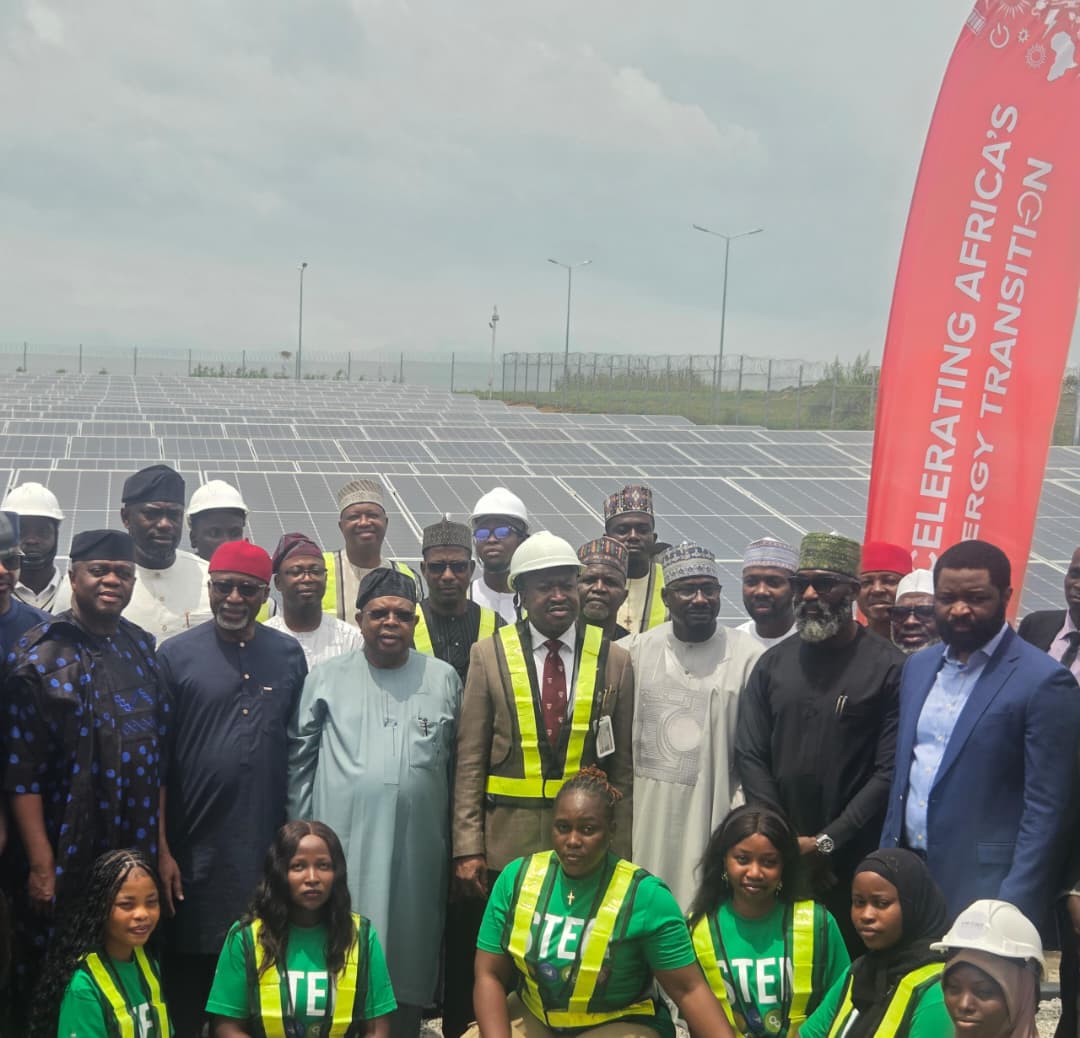
FG commissions 3MW solar hybrid plant at Yakubu Gowon University

By Onu Okorie
Federal Government has commissioned a 3MW solar hybrid power project at Yakubu Gowon University, Abuja, as part of efforts to improve electricity supply to tertiary institutions and strengthen human capital development.
The project, delivered under Phase II of the Energizing Education Programme (EEP) through the World Bank-funded Nigeria Electrification Project (NEP), is expected to provide more reliable electricity for teaching, research, laboratory operations, digital services, campus lighting and other critical activities at the university.
The initiative was implemented by the Rural Electrification Agency (REA) in collaboration with Yakubu Gowon University and EM-ONE Energy Solutions, the Engineering, Procurement and Construction contractor.
With almost 40,000 students, including more than 8,000 resident on campus, and over 3,500 staff, the university has substantial energy requirements across its academic, residential and administrative facilities.
Speaking at the commissioning, the Minister of Power, Chief Joseph Olasunkanmi Tegbe, described the project as a practical demonstration of the link between Nigeria’s energy transition and human capital development.
Tegbe said universities were among the most important environments for demonstrating the benefits of a modern energy system because they rely on electricity for learning, research, healthcare, technology, administration and digital infrastructure.
“There is perhaps no better place to demonstrate the practical value of Nigeria’s energy transition than a university,” he said.
The minister, however, stressed that commissioning the facility was only the beginning, urging stakeholders to ensure that the renewable energy investment remained functional and productive over the long term.
“The commissioning is not the conclusion of the investment. It is the beginning of its most important phase,” Tegbe said.
Also speaking, the Managing Director/Chief Executive Officer of REA, Abba Abubakar Aliyu, said the EEP had evolved beyond the provision of electricity infrastructure to supporting education, institutional performance and human capital development.
According to him, the programme has delivered renewable energy infrastructure to 22 federal universities and three affiliated teaching hospitals, deploying more than 100MW of clean energy and impacting over 600,000 students and 50,000 academic and administrative staff nationwide.
Aliyu said the value of the programme should not be measured by installed generating capacity alone, but by its impact on the quality and reliability of education and institutional operations.
“The true value of EEP is not measured by megawatts alone. It is measured by improved learning environments, laboratories that can function more reliably, safer campuses, reduced pressure on university operating budgets, and the confidence it gives institutions to plan around reliable power,” he said.
He said the Federal Government’s growing emphasis on the long-term sustainability of renewable energy infrastructure had also informed the establishment of the Renewable Asset Management Company (RAMCO), which is expected to strengthen the management, maintenance and optimisation of renewable energy assets.
The Chairman of the Senate Committee on Power, Senator Enyinnaya Abaribe, similarly identified ownership, operation and maintenance as critical to ensuring that the investment delivers its intended benefits.
Abaribe said the project demonstrated the importance of sustained investment in reliable and clean energy infrastructure for educational institutions, but cautioned that its success would ultimately depend on proper ownership and effective maintenance.
“The success of this investment will ultimately depend on proper ownership, effective operation and maintenance, and the commitment of all stakeholders to ensuring that the facility remains functional and delivers its intended benefits over the long term,” he said.
The Vice-Chancellor of Yakubu Gowon University, Professor Hakeem Babatunde Fawehinmi, described the project as an important investment in the university’s academic mission.
Fawehinmi said dependable electricity was fundamental to effective teaching, research, laboratory operations, digital services and innovation, adding that the facility would create a more conducive environment for students and staff.
Beyond electricity generation, the project incorporates a Renewable Energy Workshop and Training Centre designed to support practical learning and skills development in renewable energy technologies.
It also includes a Female STEM component, providing students with practical exposure to renewable energy technologies and opportunities in the sector.
The project brings together the Federal Government, REA, Nigeria Electrification Project, World Bank, Yakubu Gowon University and EM-ONE Energy Solutions in a collaboration aimed at linking clean-energy infrastructure with education and skills development.
With the facility now operational, the Federal Government expects the project to improve learning conditions, strengthen research capacity, promote innovation and expand opportunities for students and staff, while advancing its broader objective of using reliable and sustainable energy to support human capital development.











