





Decentralisation: FG, NASS pledge support for harmonised electricity market

Decentralisation: FG, NASS pledge support for harmonised electricity market

By Onu Okorie
Federal Government and the National Assembly have renewed their commitment to supporting the complementary roles of federal and state electricity regulators as Nigeria works towards an effective transition to a multi-tier electricity market.
The commitment was made at a workshop held in Abuja on legal, policy and regulatory harmonisation between federal and state institutions on the decentralisation of the Nigerian Electricity Supply Industry (NESI).
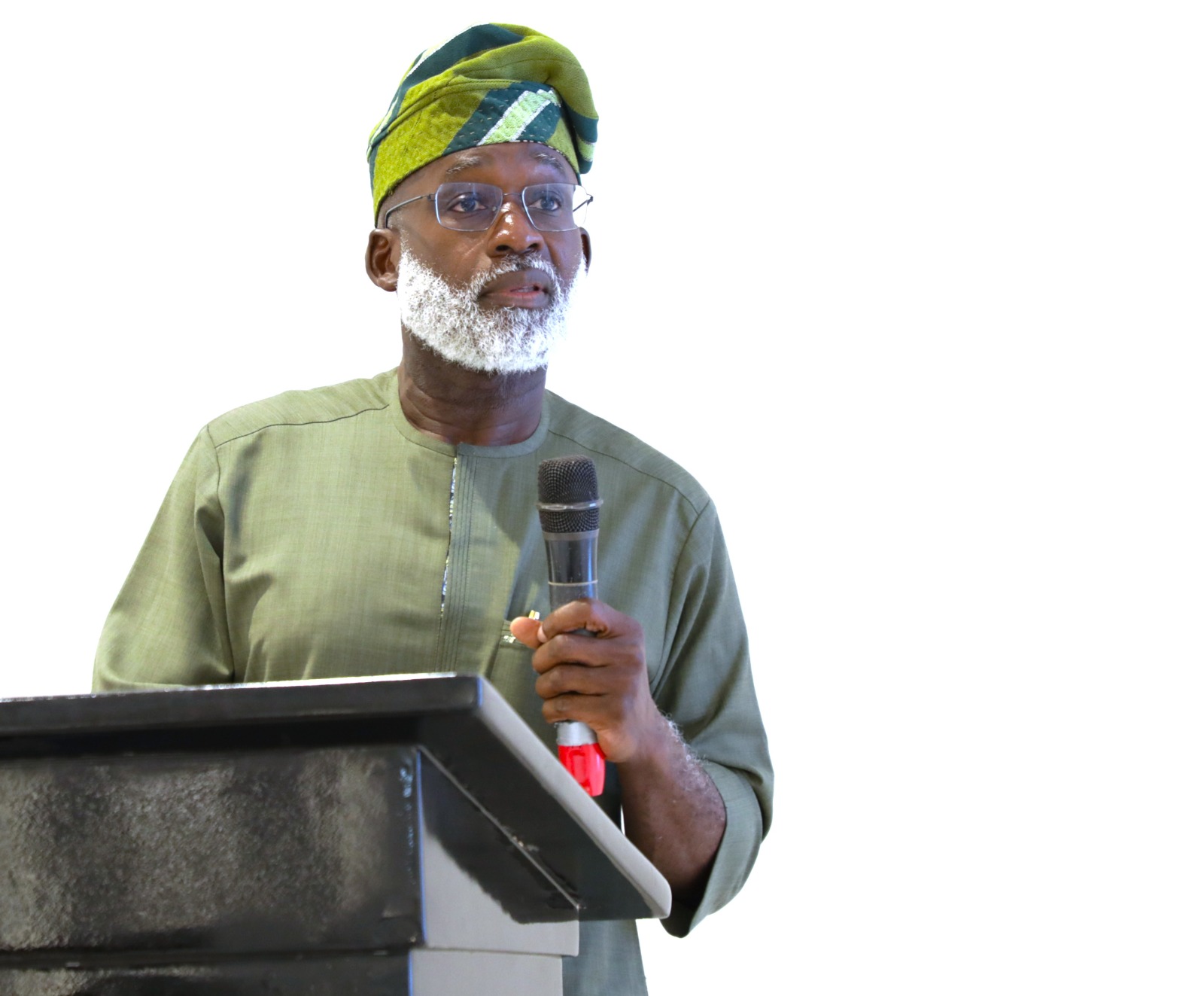
Speaking at the event, the Special Adviser to the President on Power and Chairman of the Presidential Task Force on Power Sector Reset and Restoration, Rilwan Lanre Babalola, described electricity as the bedrock of industrialisation, economic competitiveness, job creation and national prosperity. He urged participants to see themselves as partners building one Nigerian electricity market, rather than institutions guarding separate turfs.
According to Babalola, reforms naturally raise questions about regulatory boundaries, market oversight, technical standards and commercial arrangements as federal and state institutions take on new responsibilities — but this should not be seen as a flaw in the process. “That is not a weakness of the reform. It is the natural consequence of institutional evolution,” he said, adding that such questions must be resolved through dialogue, cooperation and mutual respect.
He noted that while the Electricity Act decentralises governance, it does not change the underlying physical and economic realities of the power sector. “Our networks remain interconnected. Our markets remain interdependent. Our prosperity remains shared. That is why harmonisation is not optional. It is fundamental to preserving one efficient Nigerian electricity market,” he said.
Also speaking at the workshop, Chairman of the Senate Committee on Power, Senator Enyinnaya Abaribe, reaffirmed the committee’s commitment to enacting a law that allows federal and state electricity regulators to work in complementary rather than overlapping roles.
Abaribe argued that decentralisation should not be judged simply by how many states set up electricity markets or secured transfer orders. Instead, he said, success should be measured by whether Nigeria builds a coherent, efficient, bankable and integrated electricity market, with federal and state institutions cooperating rather than competing. He called for harmonised rules governing the relationship between the Nigerian Electricity Regulatory Commission (NERC) and state electricity regulatory commissions.
The Minister of Power, Chief Joseph Tegbe, and the Chairman of NERC, Dr Musiliu Oseni, also addressed the workshop, both stressing the need to harmonise regulatory and operational activities across the Nigerian Electricity Market.











