





Nigeria’s External Reserves hit 17-Year high at $51.04bn as CBN reforms continue to yield results

Nigeria’s External Reserves hit 17-Year high at $51.04bn as CBN reforms continue to yield results

By Editor
Nigeria’s foreign reserves have surged to $51.04 billion, their highest level in nearly two decades, as the Central Bank of Nigeria’s CBN sweeping economic reforms continue to yield results and stakeholders across the country redouble efforts to create conditions for sustainable growth and trade.
According to data from the CBN, the nation’s gross external reserves stood at $51,035,544,733.65 as of June 18, 2026, the highest reserve level since January 20, 2009, when reserves stood at approximately $51.07 billion. The milestone comes as the CBN’s foreign exchange reforms and improved market conditions drive sustained inflows into the economy.
The latest figures reflect a remarkable turnaround. Reserves climbed steadily throughout June, rising from $49.80 billion at the start of the month to $50.12 billion by June 5, advancing further to $50.81 billion by June 15, before crossing the $51 billion threshold three days later, a gain of approximately 2.5 per cent within the month alone. The improvement follows an estimated $1.22 billion increase recorded in May 2026.
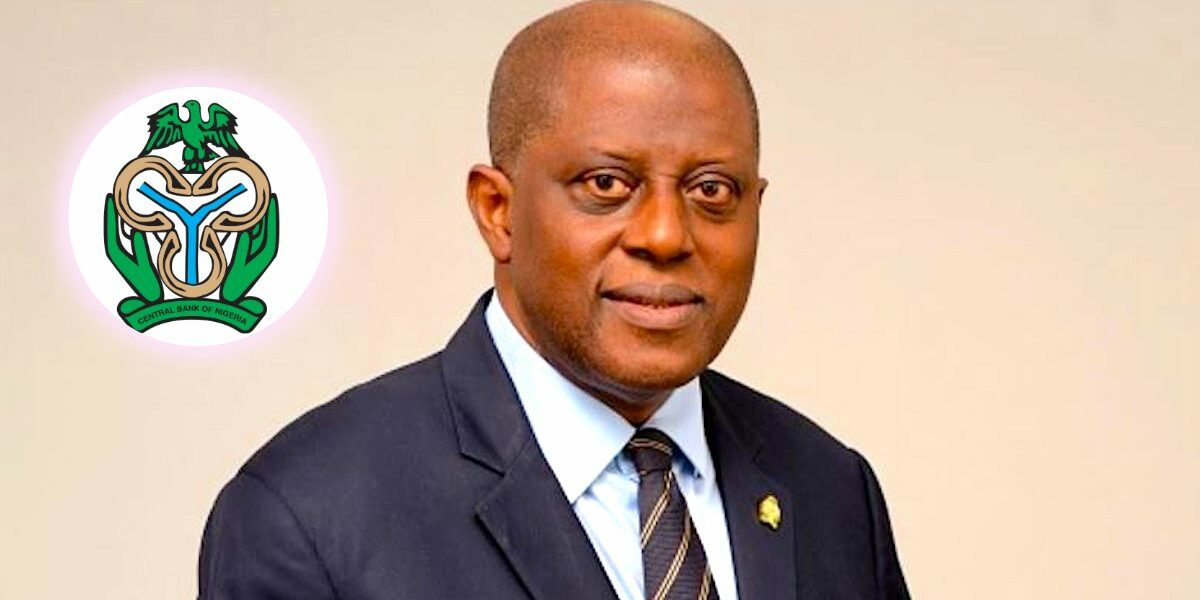
CBN Governor Olayemi Cardoso had earlier stated that the country’s strong reserve position was reinforcing investor confidence and supporting exchange rate stability. The apex bank had projected that reserves would reach approximately $51.04 billion in 2026, driven by stronger oil revenues, foreign exchange reforms, and increased capital inflows, a projection now achieved ahead of schedule, underscoring the impact of deliberate policy measures to strengthen Nigeria’s external buffers.
The economic momentum comes in tandem with a major security push in the country’s north-west, a region seen as critical to unlocking border trade and regional commerce. On June 18, 2026, the Nigeria Customs Service NCS convened its North-West Security Summit at the Presidential Lodge, Birnin Kebbi, themed “Strengthening Inter-Agency Collaboration for Effective Border Security and Regional Stability.” The summit was approved by Comptroller-General of Customs Bashir Adewale Adeniyi and chaired by Deputy Comptroller-General Timi Bomodi.
Speaking at the event, the Deputy Comptroller-General noted that a safer environment was a prerequisite for the reopening of borders to legitimate trade and commerce, drawing a direct link between security and economic opportunity. “Peace, security, and economic development are interconnected,” he stressed, urging stakeholders to adopt practical measures that would outpace criminal elements and strengthen community resilience.
The summit, attended by representatives of the Nigerian Army, Nigeria Police Force, other security agencies, traditional rulers, community leaders, and business groups, identified unemployment, drug abuse, and cross-border criminal activity as key threats requiring both kinetic and non-kinetic responses. Participants called for youth empowerment, skills acquisition, agricultural support, and economic inclusion as tools to reduce vulnerability to criminal recruitment, measures that, if implemented, could further deepen the economic gains already being recorded at the national level.
The Deputy Governor of Kebbi State, Senator Umar Abubakar Tafida, who represented Governor Dr. Nasir Idris Kauran Gwandu, reaffirmed the state government’s commitment to supporting security agencies, while all stakeholders pledged continued cooperation in working toward a safer and more prosperous north-west region.
Taken together, the record reserve figures and the growing inter-agency security consensus paint a picture of a country gradually regaining its economic footing. Analysts say the CBN reforms have been central to restoring confidence, with the latest reserve milestone serving as tangible proof that the policy direction is working.











